10 bekannte Goldmünzen aus aller Welt
Tauchen wir ein in die Welt der Sammler-Goldmünzen. Wenn Sie neugierig sind, was bestimmte Goldmünzen so besonders macht, und nach einigen der bekanntesten Stücke aus aller Welt suchen, sind Sie hier…
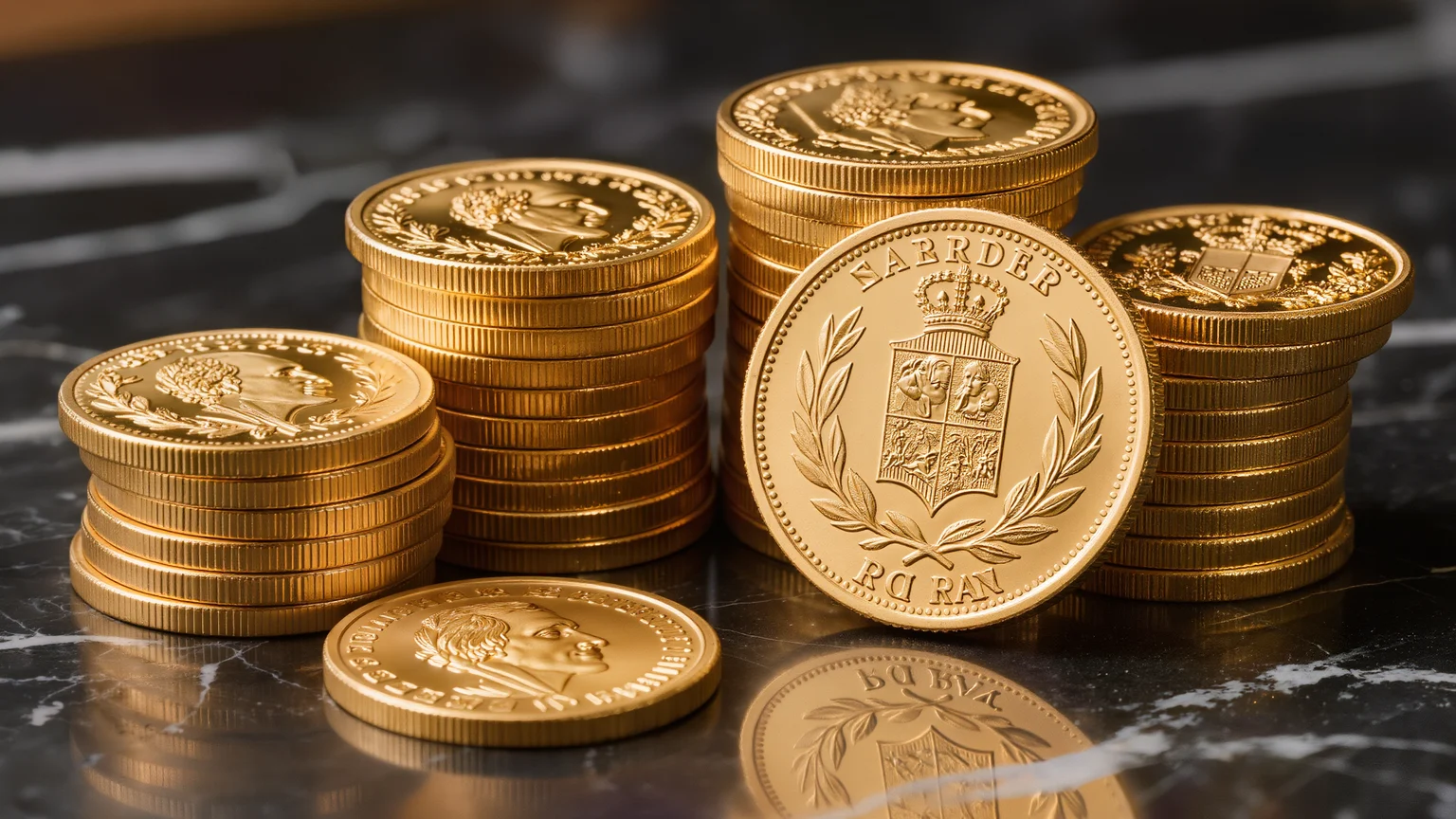

Tauchen wir ein in die Welt der Sammler-Goldmünzen. Wenn Sie neugierig sind, was bestimmte Goldmünzen so besonders macht, und nach einigen der bekanntesten Stücke aus aller Welt suchen, sind Sie hier genau richtig. Diese Liste stellt einige der berühmtesten und begehrtesten Goldmünzen vor, die Sammler und Anleger gleichermaßen durch ihre Geschichte, ihr Design und ihren inneren Wert in ihren Bann gezogen haben.
Gold wird seit Jahrtausenden geschätzt, und diese Faszination gilt auch für die daraus geprägten Münzen. Was macht aus einer einfachen Goldmünze ein anerkanntes Sammlerstück? Meist ist es eine Kombination mehrerer Faktoren: historische Bedeutung, beeindruckende künstlerische Gestaltung, begrenzte Auflagen oder die Verbindung zum kulturellen Erbe einer Nation. Zusammen ergeben diese Elemente eine Geschichte, die Menschen anspricht und den Status einer Münze hebt. Es geht nicht nur um den Goldgehalt, sondern um die Geschichte, die jede Münze erzählt.
Ein Blick in die Geschichte
Viele der berühmtesten Goldmünzen sind untrennbar mit bedeutenden geschichtlichen Momenten verbunden. Manche wurden in Zeiten wirtschaftlicher Blüte eingeführt, dienten als Symbole des Nationalstolzes oder waren sogar Teil bedeutender historischer Ereignisse. Das schiere Alter und die Herkunft mancher Münzen verleihen zusätzlichen Reiz und machen sie zu kleinen Zeitzeugen, die uns mit der Vergangenheit verbinden.
Künstlerische Meisterwerke im Kleinformat
Über ihren Materialwert hinaus werden viele Goldmünzen für ihre kunstvollen Designs gefeiert. Meistergraveure und Künstler haben im Laufe der Geschichte ihr Talent in optisch beeindruckende Stücke gelegt. Diese Designs zeigen oft nationale Symbole, historische Persönlichkeiten, bedeutende Bauwerke oder mythologische Motive und verwandeln eine Münze in ein tragbares Kunstwerk.
Die Sichtweise der Anleger
Kunstfertigkeit und Geschichte sind zwar entscheidend für den Sammlerwert, doch viele dieser Münzen werden auch von Anlegern gehalten. Ihr Wert ist oft an den schwankenden Goldpreis gekoppelt, doch Sammlermünzen können aufgrund ihrer Seltenheit und Begehrtheit weit über ihrem Schmelzwert gehandelt werden. Diese doppelte Anziehungskraft, die inneren Wert mit Sammleraufgeld verbindet, ist ein zentrales Merkmal dieser bekannten Goldstücke.
1. Der American Gold Eagle
Wenn Sie an ikonische Goldmünzen denken, kommt Ihnen wahrscheinlich der American Gold Eagle in den Sinn. Er wurde 1986 eingeführt und ist damit eine der jüngeren Münzen auf dieser Liste, doch seine Beliebtheit und breite Bekanntheit haben ihm einen festen Platz unter den Großen gesichert. Die US-Prägeanstalt entwickelte ihn, um mit beliebten internationalen Anlagegoldmünzen zu konkurrieren, und das ist ihr sicherlich gelungen.
Ein Symbol amerikanischer Freiheit
Die Vorderseite des Gold Eagle zeigt Augustus Saint-Gaudens’ ikonisches „Liberty“-Design, das ursprünglich für die Double-Eagle-Goldmünze geschaffen wurde. Diese majestätische Darstellung der Freiheitsstatue mit wehendem Haar und erhobener Fackel ist sofort wiederzuerkennen und weckt ein Gefühl von Freiheit und Stärke. Das Prägejahr ist gut sichtbar angegeben.
Der heraldische Adler und das Wappenschild
Die Rückseite der Münze zeigt ein eindrucksvolles Motiv eines Weißkopfseeadlers, dem Wappentier der Vereinigten Staaten, mit einem Ölzweig und einem Pfeil in den Klauen. Dieses von Miley Busiek geschaffene Design unterstreicht das patriotische Thema der Münze. Es ist eine kraftvolle und elegante Darstellung amerikanischer Wildtiere und ihrer Symbolik.
Nennwerte und Feingehalt
Der American Gold Eagle wird in vier Nennwerten geprägt: 50 US-Dollar (eine Unze), 25 US-Dollar (halbe Unze), 10 US-Dollar (viertel Unze) und 5 US-Dollar (zehntel Unze). Alle Münzen werden aus 916,7er Feingold (22 Karat) geprägt, einer traditionellen Goldlegierung für Münzen, die für Langlebigkeit sorgt. Die Nennwerte sind weitgehend symbolisch, da der Marktwert durch Goldgehalt und Sammlernachfrage deutlich höher liegt.
Investment und Sammlerwert
Der Gold Eagle ist sowohl bei Anlegern beliebt, die physisches Gold besitzen möchten, als auch bei Sammlern, die sich vom schönen Design und dem amerikanischen Erbe angezogen fühlen. Die kontinuierliche Prägung und starke Nachfrage machen ihn zu einer leicht verfügbaren und dennoch hoch geschätzten Goldmünze. Es gibt sowohl Polierte-Platte-Ausführungen (Proof) als auch Anlagequalität, die jeweils unterschiedliche Marktsegmente ansprechen.
2. Der Canadian Gold Maple Leaf
Kanadas Beitrag zur Welt der Goldmünzen ist der prächtige Gold Maple Leaf. Seit seiner Einführung 1979 ist er zu einem weltweiten Maßstab für Reinheit geworden und ein Favorit bei Sammlern und Anlegern wegen seines unverwechselbaren Designs und seiner außergewöhnlichen Qualität. Er war eine der ersten Münzen, die einen so hohen Feingehalt bot.
Reinheit als Markenzeichen
Der Canadian Gold Maple Leaf ist für seine unübertroffene Reinheit bekannt. Für jede Münze garantiert die Royal Canadian Mint einen Gehalt von einer Feinunze Gold mit 99,99 Prozent Reinheit. Dieser außergewöhnlich hohe Feingehalt setzte damals einen neuen Standard im Anlagegoldmarkt und ist ein wichtiger Anreiz für alle, denen der innere Wert ihres Goldes besonders wichtig ist.
Das ikonische Ahornblatt-Motiv
Die Rückseite der Münze zeigt ein einzelnes, elegant gestaltetes Zuckerahornblatt, das nationale Symbol Kanadas. Dieses sofort wiedererkennbare Bild ist mit feinen Details ausgearbeitet und zeigt die natürliche Schönheit sowie den Nationalstolz, den es verkörpert. Jahr für Jahr ziert dieses schlichte, aber kraftvolle Design die Rückseite der Münze.
Königin Elizabeth II. auf der Vorderseite
Die Vorderseite des Gold Maple Leaf zeigt ein Porträt von Königin Elizabeth II., gestaltet von Susanna Blunt. Dieses Porträt wurde im Laufe der Jahre angepasst, um ihr fortschreitendes Alter widerzuspiegeln, was der Entwicklung der Münze eine feine historische Dimension verleiht. Es ist ein vertrautes Bild für alle, die die Münzprägung des Commonwealth verfolgen.
Verschiedene Größen und Ausführungen
Auch wenn die Ein-Unzen-Anlagemünze am häufigsten vorkommt, gibt es den Gold Maple Leaf auch in Teilgrößen: halbe Unze, viertel Unze, zehntel Unze und sogar noch kleinere Nennwerte. Die Royal Canadian Mint prägt zudem besondere Polierte-Platte-Ausführungen und Münzen mit Sonderprägezeichen, die zusätzlichen Sammlerreiz für alle bieten, die etwas Besonderes suchen.
Weltweite Anerkennung und Vertrauen
Der Canadian Gold Maple Leaf genießt dank des Engagements der Prägeanstalt für Qualität und Reinheit enormes weltweites Ansehen und Vertrauen. Er ist ein fester Bestandteil vieler Anlageportfolios und ein sehr begehrtes Stück für Sammler von Weltmünzen, geschätzt für seine gleichbleibende Qualität und sein ikonisches Design.
3. Der südafrikanische Krügerrand
Der Krügerrand ist wohl die berühmteste Goldmünze der Welt, und das aus gutem Grund. Er wurde 1967 eingeführt und war die erste moderne Goldanlagemünze, die in großem Maßstab geprägt wurde und ihren Goldgehalt in Unzen auswies. Sein Name setzt sich aus Paul Kruger, einer historischen südafrikanischen Persönlichkeit, und „Rand“, der Landeswährung, zusammen.
Ein historischer Wegbereiter
Der Krügerrand nimmt in der numismatischen Geschichte einen besonderen Platz ein, als erste moderne Ein-Unzen-Goldmünze für die breite Öffentlichkeit. Sein Erfolg ebnete den Weg für viele weitere Anlagegoldmünzen, die folgten, und machte ihn zu einem echten Vorreiter der Branche. Er wurde geschaffen, um das südafrikanische Gold zu bewerben.
Paul Kruger und der Springbock
Die Vorderseite des Krügerrands zeigt ein markantes Porträt von Paul Kruger, dem ersten Präsidenten der Südafrikanischen Republik. Dieses eindrucksvolle Bild ist eine direkte Verbindung zum Namensgeber der Münze und der Geschichte des Landes. Die Rückseite zeigt das Wappentier Südafrikas, den anmutigen Springbock, gestaltet von Coert Steynberg.
Besondere Goldlegierung
Anders als viele andere Goldanlagemünzen, die aus reinem Gold bestehen, wird der Krügerrand aus einer Legierung mit 91,67 Prozent Gold und 8,33 Prozent Kupfer geprägt. Das verleiht der Münze einen unverwechselbaren rötlich-braunen Farbton und macht sie widerstandsfähiger gegen Kratzer. Diese Mischung entspricht der traditionellen Zusammensetzung des südafrikanischen Rand.
Größen und Bekanntheit
Der klassische Krügerrand ist eine Ein-Unzen-Münze, es gibt ihn aber auch in Teilgrößen: halbe Unze, viertel Unze und zehntel Unze. Seine unverwechselbare Kupferlegierung und sein markantes Design haben ihn weltweit sofort erkennbar gemacht, selbst bei Menschen, die sich nicht intensiv mit Münzsammeln beschäftigen.
Internationale Bedeutung und Sammlerwert
Die internationale Anziehungskraft des Krügerrands ist unbestreitbar. Jahrzehntelang war er die dominierende Goldanlagemünze, und seine Geschichte ist eng mit weltweiten wirtschaftlichen und politischen Ereignissen verwoben. Auch wenn Prägung und Verkauf in der Vergangenheit durch internationale Sanktionen Schwankungen unterlagen, bleibt er eine sehr begehrte und sinnbildliche Goldmünze für Sammler und Anleger gleichermaßen.
4. Der British Gold Sovereign
Der British Gold Sovereign ist eine geschichtsträchtige Münze mit einer Herkunft, die mehr als zwei Jahrhunderte zurückreicht. Er wurde für zahlreiche britische Monarchen geprägt und war weit im Umlauf, was ihn zu einem dauerhaften Symbol der britischen Münzprägung und einem begehrten Sammlerstück macht.
Das Zeichen eines Monarchen
Die Vorderseite des Sovereign zeigt in der Regel ein Porträt des jeweils regierenden britischen Monarchen. Im Laufe der Jahre gehörten dazu ikonische Persönlichkeiten wie Wilhelm IV., Victoria, Edward VII., George V., George VI. und Königin Elizabeth II. Jedes Porträt liefert eine Momentaufnahme einer anderen Epoche britischer Geschichte und Münzgestaltung.
Der Heilige Georg und der Drache
Das Rückseitendesign des Sovereign ist wohl sein bekanntestes Merkmal: das ikonische Bild des Heiligen Georg, der den Drachen bezwingt, geschaffen von Benedetto Pistrucci. Diese kraftvolle und dynamische Gravur, erstmals 1817 eingeführt, ziert die Rückseite der meisten je geprägten Sovereigns und ist untrennbar mit der Münze verbunden.
Feingehalt und Gewicht
Der Standard-Gold-Sovereign enthält 0,2354 Feinunzen reines Gold bei einem Gesamtgewicht von etwa 7,988 Gramm. Er wird aus einer 22-karätigen Goldlegierung geprägt, ähnlich wie der Krügerrand, was für Langlebigkeit sorgt. Der Nennwert eines Sovereign beträgt ein britisches Pfund (1 £).
Historische Bedeutung und Varianten
Die lange Geschichte des Sovereign bedeutet, dass es zahlreiche Varianten, Prägezeichen und Monarchenporträts zu entdecken gibt, was ihn zu einem umfangreichen und lohnenden Sammelgebiet macht. Münzen aus bestimmten Jahren oder Prägestätten (wie London, Sydney, Melbourne, Perth, Ottawa und Bombay) können besonders wertvoll sein. Sie waren einst das Rückgrat des internationalen Handels.
Anhaltende Beliebtheit
Ob als Anlagegold oder als historisches Sammlerstück, der British Gold Sovereign fasziniert nach wie vor. Seine Verbindung zum britischen Empire, sein klassisches Design und seine nachweisliche Geschichte als Weltwährung tragen zu seiner anhaltenden Beliebtheit bei Münzliebhabern und Anlegern weltweit bei. Viele Menschen schätzen zudem die besondere Haptik dieser alten Münzen.
5. Der Wiener Philharmoniker in Gold
Der Austrian Gold Philharmonic, besser bekannt als Wiener Philharmoniker, ist ein jüngerer Neuzugang in der Welt der berühmten Goldmünzen: Er wurde 1989 erstmals von der Münze Österreich geprägt. Trotz seiner relativ jungen Geschichte hat er sich durch sein beeindruckendes künstlerisches Design und seinen Status als eine der meistverkauften Goldmünzen Europas schnell einen Namen gemacht.
Ein musikalisches Meisterwerk
Das Design des Wiener Philharmonikers wurzelt tief im reichen musikalischen Erbe Österreichs. Die Rückseite zeigt eine Sammlung von Orchesterinstrumenten: ein Cello, Violinen, eine Viola, eine Flöte und eine Harfe. Diese kunstvolle und harmonische Darstellung würdigt Wiens Erbe als weltweites Zentrum der klassischen Musik.
Die große Orgel des Goldenen Saals
Die Vorderseite der Münze zeigt die große Orgel des Goldenen Saals im Wiener Musikverein, dem berühmten Konzerthaus, in dem die Wiener Philharmoniker auftreten. Diese detailreiche Gravur ist ein Zeugnis österreichischer Baukunst und ihrer kulturellen Bedeutung. Auch hier ist das Prägejahr deutlich angegeben.
Feingehalt und Nennwerte
Der Wiener Philharmoniker wird aus 999,9er Feingold geprägt und zählt damit zu den reinsten am Markt erhältlichen Goldmünzen. Er wird in vier gängigen Größen hergestellt: eine Unze (100 Euro Nennwert), halbe Unze (50 Euro), viertel Unze (25 Euro) und zehntel Unze (10 Euro). Die Nennwerte sind symbolisch.
Beliebtheit und Sammlerwert
Das einzigartige Design und der außergewöhnliche Feingehalt des Wiener Philharmonikers haben ihn weltweit bei Anlegern und Sammlern äußerst beliebt gemacht. Er gilt oft als eine der meistverkauften Anlagemünzen in Europa und Nordamerika. Das klare, künstlerische Design spricht ein breites Publikum an, und sein hoher Feingehalt ist für alle, die auf den Goldgehalt achten, ein wichtiges Verkaufsargument.
Ein moderner Klassiker
Der Wiener Philharmoniker hat sich seine Nische im umkämpften Goldmünzenmarkt erfolgreich erobert. Sein hoher Feingehalt in Kombination mit einem unverwechselbar schönen und kulturell bedeutsamen Design sichert ihm anhaltende Bekanntheit und Nachfrage bei allen, die sowohl den inneren Wert des Goldes als auch die Kunstfertigkeit der Prägung schätzen.
6. Der Chinese Gold Panda
Der Chinese Gold Panda ist eine faszinierende Münze, die einen Einblick in Chinas Prägegeschichte und die Verbindung zu seinem beliebtesten nationalen Symbol bietet. Er wurde 1982 eingeführt und ist damit eine der jüngeren Münzen auf unserer Liste, doch sein unverwechselbares und sich stetig wandelndes Design haben ihn zu einem Sammlerliebling gemacht.
Der liebenswerte Panda
Der Star auf der Rückseite des Gold Panda ist natürlich der Große Panda. Jedes Jahr wird das Design des Pandas verändert, mit unterschiedlichen Posen, Anzahl der Pandas und Umgebungen. Dieser jährliche Designwechsel ist ein wichtiger Anreiz für Sammler, die eine Serie vervollständigen oder die sich wandelnde Kunstfertigkeit schätzen möchten.
Der Himmelstempel
Die Vorderseite des Gold Panda zeigt meist die Halle des Erntegebets im Himmelstempel in Peking. Dieses ikonische Bauwerk, ein Meisterwerk chinesischer Architektur, steht für das kulturelle Erbe der Nation und ihre tief verwurzelten historischen Traditionen. Auch hier ist das Prägejahr angegeben.
Feingehalt und Nennwerte
Der Chinese Gold Panda wird aus 999er Feingold geprägt, ein Beleg für Chinas Engagement für hochreine Anlagemünzen. Er wird in verschiedenen Nennwerten ausgegeben, darunter eine Unze, halbe Unze, viertel Unze und zehntel Unze. Neuere Serien umfassen auch eine größere 12-Unzen-Münze.
Sammlerwert und Marktentwicklung
Das sich ständig ändernde Panda-Design macht den Chinese Gold Panda zu einer äußerst begehrten Sammelmünze. Sammler erwarten jedes Jahr gespannt die neue Ausführung und versuchen, bestimmte Jahrgänge zu erwerben oder ihre Serien zu vervollständigen. Diese anhaltende Nachfrage trägt zusammen mit dem Goldgehalt der Münze zu ihrem Marktwert und ihrer anhaltenden Beliebtheit bei.
Ein einzigartiges kulturelles Angebot
Der Gold Panda sticht durch seine direkte Verbindung zur chinesischen Identität und sein einzigartiges Sammlerelement durch das jährlich wechselnde Design hervor. Er spricht nicht nur Goldanleger an, sondern auch Menschen, die sich für chinesische Kultur interessieren, sowie alle, die eine sich stetig entwickelnde Serie sammeln möchten.
7. Der Australian Gold Nugget (Lunar-Serie)
Auch wenn Australien seine eigene Gold-Kangaroo-Münze prägt, hat die Serie Australian Gold Nugget, insbesondere ihre Lunar-Ausgaben, international große Aufmerksamkeit und Sammlerinteresse gefunden. Diese Münzen feiern nicht nur Australiens Goldvorkommen, sondern auch die reiche Symbolik des chinesischen Tierkreises.
Der Reiz des Tierkreises
Die australische Gold-Lunar-Serie ehrt die zwölf Tiere des chinesischen Tierkreises. Jedes Jahr zeigt die Münze das Tier des jeweiligen Mondjahres, dargestellt im schönen australischen Stil. Dieser kulturübergreifende Reiz hat diese Münzen weltweit äußerst beliebt gemacht.
Feingehalt und Gestaltungsqualität
Diese Münzen werden von der Perth Mint aus 999,9er Feingold geprägt, was außergewöhnliche Qualität und inneren Wert sichert. Die Designs sind durchweg kunstvoll und künstlerisch ausgearbeitet und fangen das Wesen jedes Tierkreiszeichens mit großer Detailtreue ein.
Nennwerte und Größen
Die Lunar-Serie ist in einer großen Auswahl an Größen erhältlich, die verschiedene Budgets und Sammelvorlieben bedienen. Zu den gängigen Nennwerten zählen eine Unze, halbe Unze, viertel Unze, zehntel Unze und sogar noch kleinere Teilgrößen sowie größere Ein-Kilo- und Zehn-Unzen-Münzen. Diese große Auswahl erhöht die Zugänglichkeit für Sammler.
Wachsende Sammlerbasis
Das Konzept, kraftvolle Anlagemünzen mit dem beliebten chinesischen Tierkreis zu verbinden, kommt bei Sammlern sehr gut an. Die jährliche Veröffentlichung eines neuen Tieres schafft zusammen mit dem hohen Feingehalt des Goldes anhaltende Nachfrage und eine engagierte Sammlerbasis, die ihre Tierkreis-Sets vervollständigen möchte.
Eine Mischung aus Kulturen und Metallen
Die Australian Gold Nugget Lunar-Serie ist ein hervorragendes Beispiel dafür, wie Münzprägung kulturelle Themen erfolgreich mit anlagewürdigen Edelmetallen verbinden kann. Ihr einzigartiger Gestaltungsansatz und die Verbindung zu einer weithin gefeierten kulturellen Tradition haben ihren Status als bekannte und begehrte Goldmünzen gefestigt.
8. Der Mexican Gold Libertad
Mexikos Gold-Libertad-Münze ist eine beeindruckende Hommage an die Geschichte und die natürliche Schönheit des Landes. Seit ihrer Einführung 1981 hat sie sich einen angesehenen Namen im Anlagemarkt gemacht, geschätzt für ihren feinen Goldgehalt und ihre ikonische Bildsprache.
Der Engel der Unabhängigkeit
Die Vorderseite des Gold Libertad zeigt die ikonische Siegesgöttin der Unabhängigkeit, „El Ángel de la Independencia“, ein triumphales Denkmal in Mexiko-Stadt. Dieses Symbol mexikanischer Freiheit und Souveränität ist mit eindrucksvollen Details dargestellt, oft mit den Vulkanen Popocatépetl und Iztaccíhuatl im Hintergrund.
Wappen und Legenden
Die Rückseite der Münze zeigt Mexikos Nationalwappen, einen Adler, der auf einem Kaktus sitzt und eine Schlange verschlingt. Dieses kraftvolle Bild, das auf einer alten Azteken-Legende beruht, ist ebenfalls mit großer Sorgfalt gestaltet. Bei verschiedenen Ausgaben wurden unterschiedliche historische Wappen verwendet.
Feingehalt und Nennwerte
Der Mexican Gold Libertad wird aus 999er Feingold geprägt und bietet Anlegern damit einen hohen Reinheitsgrad. Er ist in mehreren Nennwerten erhältlich, allen voran die Ein-Unzen-Münze, aber auch in Teilgrößen wie halbe Unze, viertel Unze, zehntel Unze und zwanzigstel Unze.
Sammlerreiz der Varianten
Die Standard-Anlageversionen sind beliebt, besonders die Ein-Unzen-Münze mit ihrem gleichbleibenden Design, doch die Libertad-Serie umfasst auch Polierte-Platte-Ausführungen und Münzen mit historisch bedeutsamen Rückseitendesigns, die bei Sammlern sehr gefragt sind. Der fehlende Nennwert unterstreicht zusätzlich ihren Charakter als reine Anlagemünze.
Ein Symbol für Erbe und Wert
Der Mexican Gold Libertad ist mehr als nur Gold: Er ist ein Stück mexikanisches Erbe, gegossen in Edelmetall. Sein schönes Design, sein hoher Feingehalt und die Verbindung zu bedeutenden nationalen Symbolen machen ihn zu einer angesehenen und bekannten Goldmünze auf dem Weltmarkt.
9. Der American Gold Buffalo
Der American Gold Buffalo ist eine relativ junge Münze mit klassischer Ästhetik, die den Look des ikonischen Indianerkopf-Nickels von James Earle Fraser wachrufen soll. Er wurde 2006 eingeführt und war die erste US-Anlagemünze, die aus 999,9er Feingold geprägt wurde.
Ein ehrwürdiges Design
Die Vorderseite des Gold Buffalo zeigt James Earle Frasers berühmtes Design eines Ureinwohners im Profil, oft als „Indianerkopf“ bezeichnet. Die Ausarbeitung ist meisterhaft und vermittelt Würde und Gelassenheit. Die Sonnenstrahlen gehen vom oberen Rand der Münze aus.
Der amerikanische Bison
Die Rückseite zeigt das kraftvolle Bild eines amerikanischen Bisons, ebenfalls von Fraser gestaltet. Dieses majestätische Tier steht sinnbildlich für die Weite und den wilden Geist des amerikanischen Westens. Das Design der Münze ist eine originalgetreue Wiedergabe von Frasers ursprünglichem Nickel-Motiv, nur in vergrößerter Form für die größere Münze.
Unerreichte Reinheit
Ein entscheidendes Merkmal, das den Gold Buffalo auszeichnet, ist sein Feingehalt von 999,9. Das macht ihn zu einer der reinsten von der US-Prägeanstalt hergestellten Goldmünzen, was Anleger anspricht, denen der höchstmögliche Goldgehalt wichtig ist.
Nennwerte und Anlagereiz
Der American Gold Buffalo wird in einer Ein-Unzen-Ausführung mit einem Nennwert von 50 US-Dollar hergestellt. Die Kombination aus reinem Goldgehalt, klassischem amerikanischem Design und der Prägung durch die US-Prägeanstalt macht ihn zu einer sehr begehrten Münze für Sammler wie auch für Anleger, die ein hochwertiges Goldprodukt suchen.
Ein moderner Klassiker mit historischem Charme
Der American Gold Buffalo verbindet erfolgreich historisches Design mit moderner Prägetechnik und hohen Feingehaltsstandards. Seine Verbindung zu einem beliebten amerikanischen Design und sein überlegener Goldfeingehalt haben ihn schnell zu einer angesehenen und bekannten Goldmünze gemacht.
10. Die Australian Gold Lunar II Serie
Nach dem Erfolg der ersten Lunar-Serie brachte die Perth Mint in Australien 2008 die Lunar II Serie heraus. Diese Serie setzt die Tradition fort, die Tiere des chinesischen Tierkreises zu ehren, allerdings mit überarbeiteten Designs und einer für bestimmte Ausgaben leicht veränderten Zusammensetzung, was ihren Sammlerwert und ihre Anziehungskraft weiter steigert.
Die Fortsetzung einer beliebten Tradition
Die Lunar II Serie behielt das beliebte Konzept bei, jedes Jahr das Tier des chinesischen Tierkreises darzustellen. Jede Münze zeigt eine neu gestaltete, oft feinere und detailreichere Darstellung des Tieres, was den Reiz für alle bewahrt, die den vollständigen Tierkreiszyklus sammeln möchten.
Erhöhte Feingehaltsstandards
Wie schon ihr Vorgänger werden auch die Münzen der Lunar II Serie aus 999,9er Feingold geprägt. Dieses Bekenntnis zu hoher Reinheit stellt sicher, dass die Besitzer Gold von höchster Qualität besitzen, ein entscheidender Faktor sowohl für Anleger als auch für anspruchsvolle Sammler.
Eine größere Auswahl an Größen und Ausführungen
Die Lunar II Serie erweiterte das Angebot an Größen und bietet eine umfassende Bandbreite von der zehntel Unze bis hin zu größeren Ein-Kilo-Münzen. Zusätzlich hat die Perth Mint Polierte-Platte-Ausführungen und Münzen mit Sonderprägezeichen eingeführt, um ein breiteres Spektrum an Sammlervorlieben und Anlagestrategien zu bedienen.
Anhaltendes Sammlerinteresse
Die regelmäßige Herausgabe eines neuen Tierkreiszeichens jedes Jahr, verbunden mit dem künstlerischen Wert der Designs und dem hohen Feingehalt des Goldes, hat die Lunar II Serie für Sammler dauerhaft attraktiv gehalten. Die jährliche Ankündigung sorgt für Vorfreude und hält die Nachfrage aufrecht.
Eine durchschlagende Erfolgsgeschichte
Die Australian Gold Lunar II Serie ist ein Beleg dafür, wie kraftvoll die Verbindung kultureller Themen mit hochwertigem Anlagegold sein kann. Ihre anspruchsvollen Designs, der außergewöhnliche Feingehalt und die anhaltende Beliebtheit des chinesischen Tierkreises haben sie zu einer herausragenden und bekannten Goldmünze auf dem internationalen Markt gemacht, aufbauend auf dem starken Fundament der ursprünglichen Lunar-Serie.
Häufige Fragen
Welche bekannten Goldmünzen gibt es weltweit?
Zu den bekannten Goldmünzen weltweit zählen der American Gold Eagle, der Canadian Gold Maple Leaf, der südafrikanische Krügerrand, das australische Gold Kangaroo und der Chinese Gold Panda.Wie hoch ist der Feingehalt dieser Goldmünzen?
Die meisten dieser Goldmünzen bestehen aus 24-karätigem Gold, was einem Feingehalt von 99,99 Prozent entspricht. Einige Münzen, wie der American Gold Eagle, bestehen jedoch aus 22-karätigem Gold mit einem Feingehalt von 91,67 Prozent.Gelten diese Goldmünzen als gesetzliches Zahlungsmittel?
Ja, viele dieser Goldmünzen gelten in ihrem jeweiligen Land als gesetzliches Zahlungsmittel. Das bedeutet, sie können zusätzlich zu ihrem inneren Goldwert auch zu ihrem Nennwert als Zahlungsmittel verwendet werden.Wo kann man diese Goldmünzen kaufen?
Diese Goldmünzen können bei autorisierten Händlern, Edelmetallbörsen und Online-Fachhändlern für Edelmetalle erworben werden. Es ist wichtig, bei seriösen Quellen zu kaufen, um die Echtheit der Münzen sicherzustellen.Sind diese Goldmünzen eine gute Geldanlage?
Goldmünzen gelten aufgrund ihres inneren Wertes und ihrer historischen Bedeutung oft als gute Geldanlage. Wie bei jeder Anlage ist es jedoch wichtig, sich vor dem Kauf gründlich zu informieren und Faktoren wie Marktlage und mögliche Risiken zu berücksichtigen.Was macht eine Goldmünze zu einem begehrten Sammlerstück?
Warum haben viele berühmte Goldmünzen einen historischen Bezug?
Zählt bei Goldmünzen nur der reine Materialwert?
Mehr aus Blog
7 Fehler, die Anfänger beim Goldkauf vermeiden sollten
Sie überlegen, in die Welt des Goldbesitzes einzusteigen? Eine kluge Entscheidung. Gold gilt seit jeher aus gutem Grund als verlässliches…
10 Dinge, die Sie vor dem Kauf von Goldbarren wissen sollten
Sie überlegen also, in die Welt der Goldbarren einzusteigen? Eine kluge Entscheidung: Gold ist ein greifbarer Vermögenswert, ein klassisches Mittel…
8 Vorteile von physischem Gold gegenüber Papiergold
Vermutlich fragen Sie sich, worin der eigentliche Unterschied zwischen physischem Gold und all den digitalen und papierbasierten Alternativen…