10 Dinge, die den Wert einer Goldmünze bestimmen
Sie besitzen also eine Goldmünze, oder Sie überlegen, sich eine zuzulegen, und fragen sich, was eine Münze wertvoller macht als eine andere? Eine gute Frage, und zum Glück ist es keine reine…
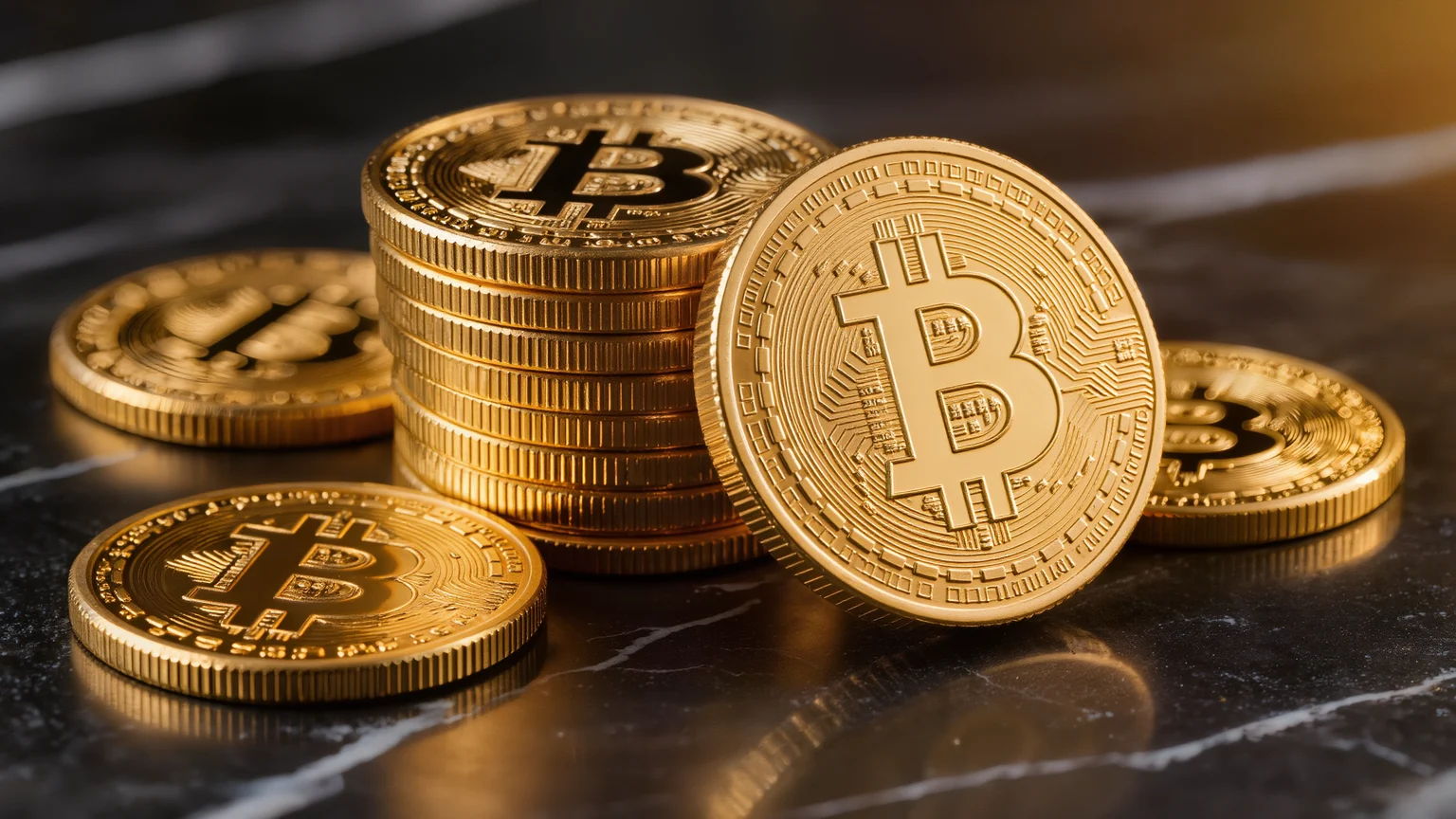

Sie besitzen also eine Goldmünze, oder Sie überlegen, sich eine zuzulegen, und fragen sich, was eine Münze wertvoller macht als eine andere? Eine gute Frage, und zum Glück ist es keine reine Rätselei. Es gibt einige recht konkrete Faktoren, auf die Sammler und Anleger achten.
1. Der Metallgehalt: Feingehalt und Gewicht
Das ist die absolute Grundlage für den Wert einer Goldmünze. Wenn sie aus Gold besteht, ist die Menge des enthaltenen Goldes der wichtigste Preistreiber.
Innerer Wert: Der Goldkassakurs
- Was das ist: Damit ist der aktuelle Marktpreis einer Feinunze reinen Goldes gemeint. Er schwankt täglich, beeinflusst von globalen Wirtschaftsereignissen, Inflation, Wechselkursen sowie Angebot und Nachfrage.
- Wie sich das auf den Wert auswirkt: Der Kassakurs legt den absoluten Mindestwert Ihrer Münze fest. Eine Münze mit einer Unze Gold ist immer mindestens so viel wert wie der aktuelle Kassakurs einer Unze Gold, unabhängig von allen anderen Faktoren. Man kann das als „Schmelzwert“ verstehen.
- Praktischer Tipp: Den aktuellen Goldkassakurs finden Sie leicht über eine Online-Suche. Seriöse Finanznachrichtenseiten und Edelmetallhändler geben diesen Wert stets an.
Feingehalt (Reinheit)
- Was das ist: Damit ist gemeint, wie rein das Gold ist. Meist wird es als Prozentsatz oder in Karat angegeben. Bei Münzen sehen Sie oft „24 Karat“ (reines Gold, 99,99 Prozent), „22 Karat“ (91,67 Prozent) oder bei älteren Münzen manchmal noch weniger.
- Wie sich das auf den Wert auswirkt: Höherer Feingehalt bedeutet mehr Gold in der Münze. Eine Ein-Unzen-Münze mit 99,99 Prozent Goldgehalt ist mehr wert als eine Ein-Unzen-Münze mit 90 Prozent Goldgehalt. Der Unterschied mag klein erscheinen, summiert sich aber über eine ganze Feinunze.
- Wichtige Münzen: Gängige Anlagemünzen wie der American Gold Eagle (91,67 Prozent Gold, mit beigemischten Metallen für Langlebigkeit), der Canadian Maple Leaf (99,99 Prozent Gold) und der südafrikanische Krügerrand (91,67 Prozent Gold) sind gute Beispiele. Ihr Feingehalt ist klar angegeben.
Metallgewicht
- Was das ist: Damit ist das Gesamtgewicht der Münze gemeint, meist in Feinunzen gemessen. Eine Feinunze ist etwas schwerer als eine gewöhnliche Handelsunze (rund 31,1 Gramm gegenüber 28,35 Gramm).
- Wie sich das auf den Wert auswirkt: Das Gewicht entspricht direkt der Goldmenge in der Münze. Eine Münze mit 0,5 Feinunzen Gold ist bei sonst gleichen Bedingungen etwa halb so viel wert wie eine Münze mit einer Feinunze.
- Missverständnisse: Verwechseln Sie nicht das Gesamtgewicht der Münze mit dem Goldgewicht, wenn die Münze nicht aus reinem Gold besteht. Ein Ein-Unzen-Gold-Eagle etwa wiegt insgesamt rund 1,09 Unzen wegen des beigemischten Kupfers und Silbers. Sein Goldgehalt ist jedoch genau auf eine Feinunze festgelegt.
2. Zustand und Erhaltung: Die Erhaltungsstufe zählt
Über den reinen Goldgehalt hinaus spielt der physische Zustand einer Münze eine große Rolle, besonders bei Sammlermünzen. Hier kommen Begriffe wie „Grading“ und „Erhaltungszustand“ ins Spiel, und deshalb sind manche Münzen deutlich mehr wert als andere, selbst bei gleichem Goldgehalt.
Stempelglanz gegenüber umlaufender Münze
- Was das ist: „Stempelglanz“ (oft mit MS für Mint State oder als unzirkuliert bezeichnet) bedeutet, dass die Münze nie im Zahlungsverkehr verwendet wurde. Sie kam direkt von der Prägeanstalt in eine Schutzhülle, ohne angefasst oder beschädigt zu werden. „Umlaufend“ bedeutet, dass die Münze genutzt wurde und Abnutzungsspuren zeigt.
- Wie sich das auf den Wert auswirkt: Eine Münze in Stempelglanz, besonders in höherer Erhaltungsstufe, erzielt gegenüber einer umlaufenden Münze desselben Typs ein Aufgeld. Der Grund dafür ist, dass Detailtreue, Glanz und optische Wirkung erhalten geblieben sind.
- Optische Anhaltspunkte: Achten Sie auf Abnutzungsspuren an erhöhten Stellen wie der Wange der abgebildeten Person oder den Flügeln des Adlers. Auch der Verlust des ursprünglichen Glanzes oder eine Verfärbung können auf Umlauf hindeuten.
Bewertungsskalen und -dienste
- Was das ist: Professionelle Bewertungsdienste (wie PCGS und NGC) vergeben Münzen eine Zahlennote auf einer Skala von 1 bis 70, wobei 1 sehr schlecht und 70 makellos bedeutet. Das ist eine standardisierte Methode, um den Zustand einer Münze zu beurteilen.
- Wie sich das auf den Wert auswirkt: Eine mit MS-65 bewertete Münze ist deutlich mehr wert als dieselbe Münze mit MS-60, und um ein Vielfaches mehr als eine umlaufende Münze. Der Unterschied zwischen einer 65 und einer 67 kann bei seltenen Ausgaben zehntausende oder hunderttausende US-Dollar betragen.
- Warum das wichtig ist: Das nimmt der Zustandsbeurteilung das Rätselraten. Eine bewertete Münze kommt in einer versiegelten, manipulationssicheren Hülle mit klar angegebener Note, was Käufern Sicherheit gibt.
Optische Wirkung
- Was das ist: Das ist ein eher subjektiver Aspekt, aber für Sammler entscheidend. Es geht darum, wie ansprechend die Münze für das menschliche Auge wirkt. Dazu zählen die Prägequalität (wie gut die Details ausgeprägt sind), Farbe und Gleichmäßigkeit der Verfärbung sowie das Fehlen störender Kratzer.
- Wie sich das auf den Wert auswirkt: Auch innerhalb derselben Zahlennote wird eine Münze mit außergewöhnlicher „optischer Wirkung“ oft begehrter sein und einen höheren Preis erzielen. Das gilt besonders für seltene Münzen hoher Erhaltungsstufe.
- Worauf zu achten ist: Eine Münze, die für ihre Note „sauber“ wirkt, eine lebendige natürliche Farbe hat (natürliche Verfärbung ist meist akzeptabel, künstliche Verfärbung oder starke Flecken hingegen nicht) und kräftige, klar ausgeprägte Details zeigt.
3. Seltenheit: Wie viele wurden geprägt (und sind erhalten geblieben)?
Wie bei jedem Sammlerstück gilt: Je weniger davon existieren, desto begehrter kann es sein. Bei Goldmünzen kann diese Seltenheit den Wert weit über den Metallwert hinaus steigern.
Auflagenzahlen
- Was das ist: Das ist die Gesamtzahl der von der Prägeanstalt hergestellten Münzen eines bestimmten Typs und Jahrgangs.
- Wie sich das auf den Wert auswirkt: Niedrigere Auflagenzahlen bedeuten in der Regel, dass eine Münze seltener und damit wertvoller ist, vorausgesetzt es besteht Nachfrage. Eine Münze mit einer Auflage von nur 1.000 Stück ist deutlich seltener und begehrter als eine mit 100.000 Stück.
- Beispiele: Schlüsseljahrgänge oder seltene Varianten älterer Serien können extrem niedrige Auflagen haben, was die Preise selbst für abgenutzte Exemplare in die Höhe treibt. Bei modernen Anlagemünzen sind die Auflagen meist hoch, weshalb Seltenheit dort in der Regel kein entscheidender Werttreiber ist.
Erhaltungsquoten
- Was das ist: Das hängt mit der Auflage zusammen, berücksichtigt aber, wie viele dieser Münzen bis heute in irgendeinem Zustand erhalten geblieben sind. Viele ältere Münzen wurden im Laufe der Zeit eingeschmolzen, verloren oder beschädigt.
- Wie sich das auf den Wert auswirkt: Eine Münze mit niedriger Auflage, aber einer noch niedrigeren Erhaltungsquote (besonders in gutem Zustand) ist deutlich wertvoller. Wenn zum Beispiel nur 10 Prozent einer Münze mit niedriger Auflage erhalten geblieben sind, verstärkt das ihre Seltenheit zusätzlich.
- Das „Piedfort“-Beispiel: Manche Münzen wurden absichtlich dicker und schwerer geprägt oder als Sonderprägungen hergestellt. Diese hatten oft sehr geringe Auflagen und Erhaltungsquoten.
Schlüsseljahrgänge und Varianten
- Was das ist: Innerhalb einer Münzserie wurden bestimmte Jahrgänge oder spezielle Prägezeichen (zum Beispiel eine in Denver „D“ oder San Francisco „S“ geprägte Münze) mitunter in deutlich geringerer Zahl hergestellt oder wiesen einen besonderen Fehler auf, der sie einzigartig macht. Diese gelten als „Schlüsseljahrgänge“ oder „Varianten“.
- Wie sich das auf den Wert auswirkt: Diese speziellen Münzen können deutlich mehr wert sein als andere Münzen desselben Typs und Jahrgangs mit höherer Auflage. Sammler versuchen oft, Serien zu vervollständigen, und diese Schlüsselstücke sind dabei der Engpass.
- Recherche ist entscheidend: Um solche Stücke zu erkennen, braucht es Kenntnisse über die jeweilige Münzserie. Münzkataloge und spezialisierte Websites sind dabei unverzichtbare Ressourcen.
4. Historische Bedeutung und Sammlerwert
In dieser Kategorie geht es darum, was eine Münze über ihren Goldgehalt und ihren physischen Zustand hinaus interessant macht. Hier zählt die Geschichte hinter der Münze.
Numismatisches und historisches Interesse
- Was das ist: Damit ist die Anziehungskraft der Münze für Sammler (Numismatiker) und ihre Bedeutung in der Geschichte gemeint. Wurde sie während eines bedeutenden Ereignisses geprägt? Steht sie für eine bestimmte Epoche oder Neuerung? Ist sie die erste ihrer Art?
- Wie sich das auf den Wert auswirkt: Münzen mit einer starken historischen Geschichte oder besonderer Bekanntheit können erhebliche Aufgelder erzielen, selbst wenn ihr Metallgehalt oder Zustand im Vergleich zu anderen Münzen nicht außergewöhnlich ist.
- Denken Sie an Geschichten: Eine Münze, die während großer wirtschaftlicher Umbrüche geprägt wurde, oder eine, die von einem berühmten Künstler gestaltet wurde, zieht Käufer aus Gründen an, die über das Gold hinausgehen.
Prägetyp (Anlagemünze, halbnumismatisch, numismatisch)
- Was das ist:
- Anlagemünzen: Werden vor allem für ihren Goldgehalt geschätzt. Sie werden in großen Mengen mit relativ niedrigem Aufgeld hergestellt. Beispiele: American Gold Eagle, Canadian Maple Leaf, südafrikanischer Krügerrand.
- Halbnumismatische Münzen: Vereinen beides. Sie haben ein wiedererkennbares Design und mitunter ein etwas höheres Aufgeld als reine Anlagemünzen, ihr Wert bleibt aber weiterhin stark an den Goldpreis gekoppelt. Manchmal fallen frühere Ausgaben mit etwas geringeren Auflagen in diese Kategorie.
- Numismatische Münzen: Ihr Wert wird durch Seltenheit, Zustand, historische Bedeutung und Sammlernachfrage bestimmt und übersteigt ihren Schmelzwert deutlich. Das sind oft ältere, seltene Münzen mit niedrigen Auflagen.
- Wie sich das auf den Wert auswirkt: Diese Einordnung bestimmt direkt, wie hoch das Aufgeld über dem Goldkassakurs ausfällt. Anlagemünzen haben geringe Aufgelder, während numismatische Münzen Aufgelder von hunderten oder tausenden Prozent haben können.
- Den Markt verstehen: Es ist entscheidend zu wissen, in welche Kategorie eine Münze fällt, um ihre Preisbildung zu verstehen. Ein Händler, der einen Krügerrand verkauft, könnte ihn zum „Kassakurs plus 30 US-Dollar“ anbieten, während eine Rarität mit „50.000 US-Dollar, das X-fache des Schmelzwerts“ ausgezeichnet sein könnte.
Beliebtheit und Nachfrage
- Was das ist: Ganz einfach gesagt: Wie viele Menschen möchten diese Münze haben? Selbst eine seltene Münze kann wenig wert sein, wenn niemand sie sammelt. Umgekehrt kann eine weniger seltene Münze sehr wertvoll werden, wenn sie deutlich an Beliebtheit gewinnt.
- Wie sich das auf den Wert auswirkt: Eine Münzserie, die bei Sammlern Jahr für Jahr beständig beliebt bleibt, hält die Nachfrage hoch und treibt den Preis sowie die Aufgelder über dem Kassakurs nach oben.
- Markttrends: Bestimmte Münzserien erleben Höhen und Tiefen in ihrer Beliebtheit. Diese Trends zu verstehen, kann sowohl für Anleger als auch für Sammler nützlich sein.
5. Echtheit und Herkunftsnachweis
Hier geht es um Vertrauen und Gewissheit. Bei jedem wertvollen Gegenstand ist es entscheidend zu wissen, dass er echt ist, und seine Geschichte zu kennen.
Echtheitsprüfung
- Was das ist: Damit wird bestätigt, dass die Münze echt ist und dem angegebenen Goldgehalt und Gewicht entspricht. Fälschungen sind ein Problem beim Münzsammeln, besonders bei beliebten oder wertvollen Stücken.
- Wie sich das auf den Wert auswirkt: Eine Fälschung ist höchstens ihren Metallwert wert, oft sogar gar nichts. Eine geprüfte Münze gilt als echt, was Käufern Sicherheit gibt.
- Methoden: Diese reichen von einfachen Dichtetests bis zu fortgeschrittener Röntgenfluoreszenzanalyse (XRF) oder dem Vertrauen auf seriöse Bewertungsdienste und Händler mit Fachwissen.
Herkunftsnachweis (Provenienz)
- Was das ist: Das ist die dokumentierte Besitzgeschichte einer bestimmten Münze. Wer besaß sie vor Ihnen? War sie einmal Teil einer berühmten Sammlung?
- Wie sich das auf den Wert auswirkt: Bei sehr seltenen und wertvollen Münzen kann ein starker Herkunftsnachweis erheblichen zusätzlichen Wert schaffen. Er verleiht Echtheit und Prestige. Wenn eine Münze zum Beispiel einer historischen Persönlichkeit oder einem berühmten Sammler gehörte, kann diese Geschichte sie begehrter machen.
- Dokumentation: Diese wird üblicherweise durch alte Kaufbelege, Auktionsunterlagen, alte Sammlungsinventare oder Notizen früherer Besitzer nachgewiesen.
6. Aufgelder und Gebühren
Beim Kauf oder Verkauf von Goldmünzen fallen immer zusätzliche Kosten über den reinen Goldwert hinaus an.
Händleraufschläge (Aufgelder)
- Was das ist: Das ist der Betrag über dem Goldkassakurs, den ein Händler für eine Münze verlangt. Er deckt die Kosten für Beschaffung, Lagerung, Versicherung und Verkauf der Münzen sowie die Gewinnspanne des Händlers ab.
- Wie sich das auf den Wert auswirkt: Bei Anlagemünzen ist das Aufgeld meist ein relativ kleiner Anteil des Münzwerts, oft nur wenige Dollar oder ein Prozentsatz des Kassakurses. Bei numismatischen Münzen können die Aufgelder enorm sein.
- Einflussfaktoren auf das Aufgeld: Beliebtheit der Münze, Geschäftsvolumen des Händlers, Seltenheit und Zustand der jeweiligen Münze sowie die Kostenstruktur des Händlers.
Käufer- und Verkäuferaufgeld
- Was das ist: Beim Kauf zahlen Sie ein „Käuferaufgeld“ über dem Schmelzwert. Beim Verkauf erhalten Sie ein „Verkäuferaufgeld“ (genauer gesagt bietet Ihnen der Händler einen Preis unter dem Schmelzwert beziehungsweise Kassakurs, der seinem Ankaufspreis entspricht), das unter dem Kassakurs liegt.
- Wie sich das auf den Wert auswirkt: Dieses Wechselspiel bedeutet, dass der Preis, zu dem Sie eine Münze kaufen, in der Regel höher ist als der Preis, zu dem Sie sie sofort wieder verkaufen könnten. Das ist ein grundlegender Aspekt des Edelmetallmarktes.
- Praktische Bedeutung: Sie zahlen beim Kauf immer mehr für Gold, als Sie beim sofortigen Verkauf zurückbekommen würden. Ziel ist es, dass der Wertzuwachs der Münze (entweder durch Metallpreissteigerung oder numismatischen Gewinn) diese Differenz mit der Zeit übersteigt.
Transaktionskosten
- Was das ist: Das sind weitere Gebühren beim Kauf oder Verkauf, etwa Versandkosten, Versicherung, Zahlungsabwicklungsgebühren und mitunter auch Steuern (je nach Standort und Transaktion).
- Wie sich das auf den Wert auswirkt: Diese Kosten erhöhen die Gesamtausgaben beim Erwerb oder Verkauf von Münzen und sollten in Ihre Entscheidung einfließen.
- Preise vergleichen: Ein Vergleich dieser Kosten zwischen verschiedenen Händlern kann zu erheblichen Ersparnissen führen.
7. Prägefehler und Sonderausgaben
Manchmal kann eine Abweichung von der Norm den Wert einer Münze tatsächlich steigern.
Prägefehler
- Was das ist: Das sind Fehler, die während des Prägevorgangs entstehen, etwa außermittige Prägungen, Doppelprägungen oder Ausbrüche im Prägestempel.
- Wie sich das auf den Wert auswirkt: Während viele kleinere Fehler ignoriert werden, können bedeutende und seltene Fehler eine Münze sehr begehrt und wertvoll machen, besonders wenn es sich um einen beliebten Münztyp handelt. Die Ungewöhnlichkeit und Seltenheit des Fehlers treiben den Preis.
- Genaue Prüfung nötig: Nicht alle Fehler sind gleichwertig. Sammler suchen nach auffälligen, eindeutigen und dokumentierten Fehlern.
Polierte Platte und stempelglänzende Prägungen
- Was das ist:
- Polierte-Platte-Münzen (Proof): Werden mit speziell polierten Prägestempeln und Rohlingen hergestellt und mehrfach geprägt, um eine spiegelglänzende Oberfläche zu erzielen. Sie werden für Sammler hergestellt.
- Stempelglänzende Münzen: Münzen aus der Standardproduktion, jedoch oft in höherer Qualität für Sammlersets als jene, die in den allgemeinen Umlauf gelangen.
- Wie sich das auf den Wert auswirkt: Sowohl Polierte-Platte- als auch stempelglänzende Ausführungen einer Münze werden meist in geringerer Stückzahl hergestellt als Standard-Anlagemünzen und sind oft optisch ansprechender, wodurch sie ein Aufgeld erzielen.
- Unterscheidungsmerkmale: Polierte-Platte-Münzen weisen einen charakteristischen, mattierten Kontrasteffekt auf erhabenen Motiven und spiegelnden Feldern auf. Stempelglänzende Münzen wirken gleichmäßiger, wie eine gewöhnliche Umlaufprägung.
Sonderausgaben und Gedenkmünzen
- Was das ist: Münzen, die speziell zum Gedenken an ein Ereignis, eine Person oder ein Jubiläum geprägt werden. Diese haben oft einzigartige Designs.
- Wie sich das auf den Wert auswirkt: Ihr Wert setzt sich aus Goldgehalt und numismatischem Reiz zusammen. Ist ein Gedenkdesign beliebt oder das Ereignis bedeutend, kann die Nachfrage den Wert steigern.
- Begrenzte Auflagen: Viele Gedenkmünzen werden mit begrenzter Auflage ausgegeben, was ihren Sammlerwert mit der Zeit erhöhen kann.
8. Marktstimmung und Spekulation
Der Goldmünzenmarkt hängt nicht nur von festen Faktoren ab, sondern auch davon, was Menschen erwarten, dass passieren wird.
Anlegernachfrage
- Was das ist: Wenn die wirtschaftliche Unsicherheit steigt, wenden sich viele Menschen Gold als sicherem Hafen zu. Diese gestiegene Nachfrage von Anlegern kann den Preis von Goldmünzen nach oben treiben.
- Wie sich das auf den Wert auswirkt: Besonders Anlagemünzen reagieren empfindlich auf die Stimmung der Anleger. Große Kaufwellen können die Preise vorübergehend über Schmelzwert plus übliches Aufgeld treiben.
- Wirtschaftliche Indikatoren: Wer Inflationsraten, geopolitische Ereignisse und Währungsstabilität beobachtet, erhält Hinweise auf die Anlegerstimmung gegenüber Gold.
Spekulation
- Was das ist: Das ist der Fall, wenn Menschen Münzen nicht wegen ihres inneren Werts oder ihrer historischen Bedeutung kaufen, sondern in der Hoffnung, dass der Preis aufgrund künftiger Markttrends oder eines Hypes steigt.
- Wie sich das auf den Wert auswirkt: Spekulatives Kaufen kann Preise vorübergehend aufblähen, ist aber auch das Erste, was fällt, wenn sich die Stimmung ändert. Es ist ein riskanterer Weg, Wert zu erzielen.
- Vorsicht geboten: Sich allein auf Spekulation zu verlassen ist meist ein Verlustgeschäft. Besser ist es, sich auf die grundlegenden Faktoren Metallgehalt, Seltenheit und Zustand zu konzentrieren.
Sammlertrends
- Was das ist: Wie bereits erwähnt können bestimmte Münzserien oder Münztypen in der Sammlerszene zum Trend werden.
- Wie sich das auf den Wert auswirkt: Beliebtheit führt zu Nachfrage. Ist eine bestimmte Serie „angesagt“, erzielen Münzen aus dieser Serie bei sonst gleichen Bedingungen höhere Preise, da Sammler um sie konkurrieren.
- Interessenszyklen: Diese Trends können zyklisch verlaufen, wobei bestimmte Münzen oder Serien im Laufe der Zeit mal beliebter, mal weniger gefragt sind.
9. Prüfzeichen und Punzen
Bei Münzen, die keine offiziellen Prägeanstalt-Produkte sind, liefern diese Zeichen entscheidende Informationen.
Feingehaltsstempel
- Was das ist: In manchen Fällen, besonders bei privat geprägten Goldbarren oder Münzen, die nicht von staatlichen Prägeanstalten stammen, zeigt eine Punze des Prüfers den Feingehalt und das Gewicht des Goldes an.
- Wie sich das auf den Wert auswirkt: Die Punze eines angesehenen Prüfers schafft zusätzliches Vertrauen und bestätigt die Angaben zur Münze, was ihre Akzeptanz und ihren Wert erhöht.
- Angesehene Prüfer erkennen: Es ist wichtig zu wissen, welche Prüfstellen in der Edelmetallbranche anerkannt sind.
Prägezeichen und Gestalterzeichen
- Was das ist: Neben Land und Jahrgang tragen Münzen oft kleinere Symbole, die die Prägestätte anzeigen (zum Beispiel „D“ für Denver, „S“ für San Francisco) oder den Gestalter der Münze kennzeichnen.
- Wie sich das auf den Wert auswirkt: Wie bereits besprochen können bestimmte Prägezeichen auf Seltenheit hinweisen. Zeichen bekannter Gestalter können ebenfalls den Sammlerwert und die historische Bedeutung einer Münze erhöhen.
- Kleingedrucktes: Diese Details sind oft klein und benötigen eine Lupe, um sie deutlich zu erkennen.
10. Nachfrage nach bestimmten Typen
Nicht alle Goldmünzen sind in den Augen der Käufer gleich, und das kann sich im Laufe der Zeit verändern.
Nachfrage nach Anlagegold gegenüber numismatischer Nachfrage
- Was das ist: Es gibt zwei Haupttreiber: die Nachfrage von Menschen, die Gold zum Werterhalt halten möchten (Anlagegold), und die Nachfrage von Sammlern, die seltene, schöne oder historisch bedeutsame Stücke suchen (numismatisch).
- Wie sich das auf den Wert auswirkt: Die Nachfrage nach Anlagegold folgt vor allem dem Goldkassakurs. Die numismatische Nachfrage wird durch Faktoren wie Seltenheit, Zustand und Beliebtheit bei Sammlern bestimmt und führt zu Werten weit über dem Schmelzwert.
- Unterschiedliche Märkte: Anleger konzentrieren sich in der Regel auf Anlagegold, während Numismatiker sich auf Sammlermünzen konzentrieren. Zu verstehen, welchem Markt eine Münze zuzuordnen ist, ist entscheidend.
Generisches gegenüber markengebundenem Gold
- Was das ist:
- Generisches Gold: Damit sind markenlose Goldprodukte gemeint, etwa Goldrunden oder generische Barren ohne den Namen einer bestimmten Prägeanstalt oder Scheideanstalt. Ihr Wert basiert fast ausschließlich auf dem Goldgehalt.
- Markengebundenes Gold: Dazu gehören Münzen offizieller Prägeanstalten (wie die bereits genannten) oder Produkte bekannter, angesehener Scheideanstalten. Diese tragen aufgrund der Markenbekanntheit und der wahrgenommenen Qualität oft ein etwas höheres Aufgeld.
- Wie sich das auf den Wert auswirkt: Markengebundene Münzen, besonders bekannte Anlagemünzen, werden oft mit etwas höherem Aufgeld verkauft, da Käufer der Marke vertrauen und wissen, dass sie sich leichter weiterverkaufen lassen. Generisches Gold ist meist die günstigste Möglichkeit, Gold nach Gewicht zu kaufen.
- Einfacher Wiederverkauf: Eine anerkannte Marke wie der Canadian Maple Leaf oder der American Gold Eagle lässt sich in der Regel leichter verkaufen als eine völlig markenlose Goldrunde.
Kurz gesagt: Der Wert einer Goldmünze ist ein komplexes Puzzle aus vielen Teilen. Es geht nie nur um das Gold selbst, sondern um die Geschichte, den Zustand, die Seltenheit und die anhaltende Wahrnehmung des Marktes für dieses bestimmte Stück.
Häufige Fragen
Welche Faktoren bestimmen den Wert einer Goldmünze?
Der Wert einer Goldmünze wird durch Faktoren wie ihr Gewicht, ihren Feingehalt, ihre Seltenheit, ihren Zustand und die Nachfrage am Markt bestimmt.Wie wirkt sich das Gewicht einer Goldmünze auf ihren Wert aus?
Das Gewicht einer Goldmünze wirkt sich direkt auf ihren Wert aus, da Gold nach Gewicht bepreist wird. Schwerere Goldmünzen haben in der Regel einen höheren Wert als leichtere.Warum ist der Feingehalt einer Goldmünze wichtig?
Der Feingehalt einer Goldmünze, meist in Karat gemessen, gibt an, wie viel Gold in der Münze enthalten ist. Goldmünzen mit höherem Feingehalt haben aufgrund ihres höheren Goldgehalts einen höheren Wert.Welche Rolle spielt Seltenheit bei der Bestimmung des Werts einer Goldmünze?
Seltenheit ist ein bedeutender Faktor bei der Wertbestimmung einer Goldmünze. Seltene oder limitierte Goldmünzen sind aufgrund ihrer Knappheit und historischen Bedeutung oft wertvoller.Wie wirkt sich der Zustand einer Goldmünze auf ihren Wert aus?
Der Zustand einer Goldmünze, einschließlich Faktoren wie Abnutzung, Kratzern und allgemeiner Erhaltung, kann ihren Wert erheblich beeinflussen. Gut erhaltene Münzen sind in der Regel wertvoller als solche in schlechtem Zustand.Mehr aus Blog
7 Fehler, die Anfänger beim Goldkauf vermeiden sollten
Sie überlegen, in die Welt des Goldbesitzes einzusteigen? Eine kluge Entscheidung. Gold gilt seit jeher aus gutem Grund als verlässliches…
10 Dinge, die Sie vor dem Kauf von Goldbarren wissen sollten
Sie überlegen also, in die Welt der Goldbarren einzusteigen? Eine kluge Entscheidung: Gold ist ein greifbarer Vermögenswert, ein klassisches Mittel…
8 Vorteile von physischem Gold gegenüber Papiergold
Vermutlich fragen Sie sich, worin der eigentliche Unterschied zwischen physischem Gold und all den digitalen und papierbasierten Alternativen…