10 Dinge, die Sie beim Goldverkauf beachten sollten
So, you’re thinking about selling some gold? Whether it’s an old piece of jewelry, a forgotten coin, or bullion you’ve decided to liquidate, navigating the world …
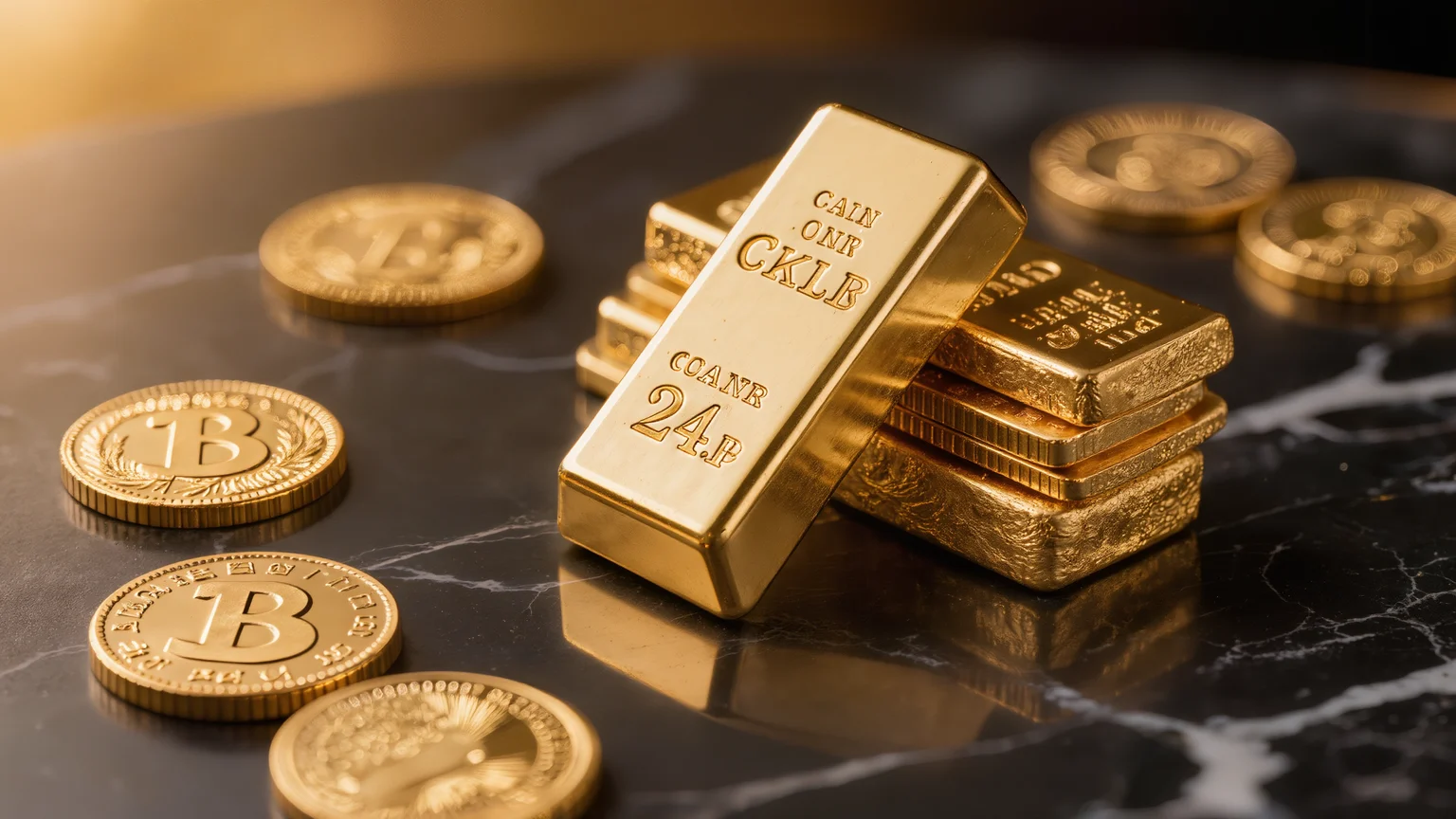
So, you’re thinking about selling some gold? Whether it’s an old piece of jewelry, a forgotten coin, or bullion you’ve decided to liquidate, navigating the world of gold sales can seem a bit daunting. Don’t worry, it’s not as complicated as it might appear. The most important thing to keep in mind from the get-go is to be informed, that’s what this guide is all about. Knowing a few key things upfront will help you get the best value for your gold and ensure a smooth, trustworthy transaction.
1. Know What You Have
Before you even think about finding a buyer, it’s absolutely crucial to understand exactly what you’re selling. This isn’t just about making sure you get a fair price; it’s also about preventing misidentification, which can lead to selling something valuable for less than it’s worth, or even unwittingly trying to sell something that isn’t gold at all.
Identifying Gold Types
- Jewelry: Often the most common item people sell. Look for hallmarks or purity stamps. These tiny marks, usually on a clasp or inside a band, indicate the gold’s fineness (e.g. 999 for 24k, 750 for 18k, 585 for 14k, 375 for 9k). Keep in mind that jewelry often contains other materials like gemstones, which complicate pricing. The gold content is usually weighed separately from any stones.
- Coins: Gold coins can be numismatic (collector’s value) or bullion coins (valued primarily for their gold content). Popular bullion coins include American Eagles, Canadian Maple Leafs, Krugerrands, and Austrian Philharmonics. Researching individual coin types will tell you their gold weight and purity.
- Bullion/Bars: These are usually stamped with their weight and purity directly on the bar itself. Common purities are.999 or.9999 fine gold.
- Dental Gold: Some old dental work contained gold. This is often an alloy, and its purity can vary significantly. While a bit less common to sell, it’s still worth assessing.
- Scrap Gold: This category encompasses anything that’s damaged, broken, or not in its original form, like a broken chain or a single earring. It’s almost always sold based purely on its gold weight and purity.
Understanding Gold Purity (Karat vs. Fineness)
Gold purity is expressed in two main ways: karats (k) or fineness.
- Karat System: This system is often used for jewelry. 24 karat (24k) is pure gold. Anything less means it’s an alloy (gold mixed with other metals like copper, silver, or zinc to increase durability or change color). For example, 18k gold is 75% pure gold (18 parts gold out of 24 total parts). 14k is approximately 58.5% pure gold, and 10k is just over 41.7% pure.
- Fineness System: This is more common for bullion and coins. It’s expressed in parts per thousand. So.999 fine gold is 99.9% pure, and.9999 fine gold is 99.99% pure. A 750 stamp on jewelry means 750 parts gold out of 1000, which translates to 75% pure gold, or 18k.
The higher the purity, the softer the gold, and generally, the higher the melt value. Knowing these details is your first line of defense against being undervalued.
2. Research the Current Gold Price
The price of gold fluctuates daily, sometimes even hourly. Going into a sale without knowing the current market value is like going to a car dealership without checking Kelley Blue Book. You’re setting yourself up for a potentially unfair offer.
Spot Price vs. Melt Value
- Spot Price: This is the real-time market price of one troy ounce of pure gold. It’s the benchmark. You can easily find this online by searching for „current gold spot price.“ Reputable financial news sites or specialized gold dealer websites are good sources. This price is usually quoted in USD, so remember to convert if you’re dealing in another currency.
- Melt Value: This is the intrinsic value of the gold itself, based on its purity and weight, minus any deductions for refining. When you sell scrap gold or most jewelry, you’re essentially selling it for its melt value. Dealers will offer you a percentage of this melt value, as they need to account for their profit margins, refining costs, and overhead.
How to Calculate Your Gold’s Melt Value (Rough Estimate)
- Determine Purity: You’ve already done this in step 1.
- Weigh Your Gold: This is critical. You’ll need an accurate scale, preferably one that measures in grams or troy ounces. Most kitchen scales aren’t accurate enough for small jewelry items. Many dealers will weigh your gold in front of you, but having a preliminary idea is helpful.
- Use an Online Calculator: Many online gold selling sites and financial portals offer gold value calculators. You input the weight, the purity (e.g. 14k, 18k.999), and it will give you an estimated melt value based on the current spot price. Remember, this is an estimate for pure gold content.
Don’t expect to get 100% of the melt value. A fair offer is typically somewhere between 75% and 95% of the melt value, depending on the buyer type, the form of gold, and how competitive the market is. For very large quantities of high-purity gold, you might get closer to 95%. For small amounts of lower-purity jewelry, it could be closer to 75-80%.
3. Choose the Right Buyer
Where you sell your gold can significantly impact the price you receive. Not all buyers are created equal, and each has its pros and cons.
Types of Gold Buyers
- Local Jewelers/Pawnbrokers:
- Pros: Convenient, immediate payment, face-to-face transaction. Jewelers might recognize a piece as having „designer“ or „antique“ value beyond just its gold content.
- Cons: Often offer lower percentages of melt value (especially pawnbrokers, who are focused on short-term loans), may not have specialized knowledge of rare coins. Their primary business is selling new jewelry, not buying scrap.
- Online Gold Buyers:
- Pros: Potentially competitive offers due to lower overheads, convenience of selling from home, often specialize in gold buying. Some services offer to send you a shipping kit with insured postage.
- Cons: Less personal, can be nerve-wracking to ship valuable items, payment isn’t immediate, trust is paramount (always check reviews and accreditations). Some „mail-in“ services have a reputation for lowballing.
- Coin Dealers/Precious Metals Dealers:
- Pros: Best option for selling gold coins or bullion, as they understand numismatic value (if applicable) and deal in larger volumes of high-purity gold, leading to better offers. They generally have accurate scales and testing equipment.
- Cons: Less suitable for mixed-metal jewelry or very low-purity scrap.
- Reputable Refineries:
- Pros: If you have a large quantity of gold, especially scrap or industrial gold, selling directly to a refinery can yield some of the best prices as they are the end-users of the raw material.
- Cons: Typically have minimum weight requirements, not an option for small household quantities.
- Auction Houses:
- Pros: Best if your gold has significant antique, artistic, or historical value beyond its melt value. They can attract collectors willing to pay a premium.
- Cons: Long process, high commissions, no guarantee of sale, and poor choice for simple scrap gold.
Due Diligence is Key
Regardless of the type of buyer, always:
- Check Reviews: Look for Google reviews, Better Business Bureau ratings, and industry-specific forums.
- Ask for Quotes: Get at least 2-3 quotes from different buyers before committing.
- Understand Their Process: How do they test? How do they weigh? When do you get paid? Are there any hidden fees?
4. Get Multiple Offers and Don’t Be Afraid to Negotiate
This is where your research from steps 1 and 2 really pays off. Armed with knowledge about what you have and what it’s theoretically worth, you’re in a much stronger position.
The Quoting Process
When you visit a buyer:
- Observe the Testing: A reputable buyer will test your gold openly and explain their process. Common tests include acid tests, X-ray fluorescence (XRF) scanners (non-destructive and very accurate), or electronic gold testers. For bullion, they might use density tests or ultrasonic thickness gauges.
- Watch the Weighing: Ensure the scale is clearly visible to you and zeros out before use. Scales should be calibrated and certified. They should weigh your gold in front of you.
- Insist on an Itemized Quote: The quote should clearly state the weight of each purity level (e.g. 10 grams of 14k, 5 grams of 18k), the spot price they are using for their calculation, and the percentage they are offering. This transparency is a good sign.
- Don’t Feel Pressured: If you feel rushed or uneasy, walk away. There’s no obligation to sell on the spot.
Negotiation Tips
While you might not negotiate a massive increase, a few percentage points can add up.
- Be Prepared to Walk Away: This is your strongest negotiation tool. If a buyer knows you have other offers or are willing to shop around, they might be more inclined to improve their bid.
- Highlight Your Gold’s Strengths: If you have high-purity gold, or a significant quantity, mention that. These are more attractive to buyers.
- Mention Competitor Offers: Politely say, „I received an offer of X from [other buyer]. Can you match or beat that?“
5. Understand Weighing Units
Gold is not sold in avoirdupois ounces (the kind you use for food). It’s typically weighed in troy ounces or grams. Confusing these can lead to significant discrepancies.
Troy Ounces vs. Grams vs. Pennyweights
- Troy Ounce (ozt): This is the international standard for weighing precious metals. One troy ounce equals approximately 31.1035 grams. Always remember that a troy ounce is heavier than a standard (avoirdupois) ounce (which is about 28.35 grams).
- Gram (g): A metric unit commonly used for smaller quantities of gold, especially jewelry. It’s often easier to work with.
- Pennyweight (dwt): An older unit, sometimes still used by jewelers, particularly in the US. One troy ounce equals 20 pennyweights, and one pennyweight equals approximately 1.555 grams. Avoid dealers who only quote in pennyweights without being able to easily convert to grams or troy ounces, as it can make comparison difficult.
Always ask for the weight in grams or troy ounces. If a buyer gives you a weight in pennyweights, make them convert it for you, or do it yourself on a calculator. A common trick is to quote a price per standard ounce when the actual gold content is measured in troy ounces, which makes the offer seem higher than it is.
6. Be Wary of Hidden Fees or Tricky Tactics
Not all buyers are operating with your best interest at heart. It’s important to be vigilant.
Common Pitfalls to Watch Out For:
- The „Weight Loss“ Trick: Some unscrupulous buyers might claim your gold needs to be cleaned or refined, which will result in „weight loss,“ and then offer a lower price. Unless your gold has significant non-gold contaminants (which should be tested and shown to you), this is usually an excuse to pay less.
- Misleading Scales: Ensure the scale is calibrated and clearly visible. Some less reputable buyers might have a scale that’s not zeroed or even slightly tampered with.
- „Testing Damage“: While some tests (like acid tests) might leave minor marks, they shouldn’t damage your gold significantly, especially if it’s high purity. If they claim they need to „damage“ it to test, be cautious. Modern XRF machines are non-destructive.
- High „Refining Fees“: While a small percentage deduction for refining is normal, excessively high fees that aren’t clearly explained are a red flag.
- Focusing on Non-Gold Items: If you’re selling a gold item with diamonds or other gemstones, a buyer might overemphasize the low value of the stones (which they likely won’t buy or will give you next to nothing for) to distract from the actual gold value. Be clear that you are primarily selling the gold content.
- Bait-and-Switch Online Offers: Be careful with online buyers who offer incredibly high percentages of spot price initially, only to drastically reduce their offer once they receive your gold. Always read terms and conditions regarding return shipping and revised offers.
7. Consider the Form of Your Gold
The form your gold is in can influence its value, especially beyond just its pure gold content.
Numismatic Value vs. Melt Value
- Coins: Not all gold coins are just „melt gold.“ Rare or historically significant gold coins can have a significant numismatic (collector’s) premium well above their intrinsic gold value. If you suspect your coin might be rare, consult with a specialized numismatist or coin dealer, not just a general gold buyer. Selling a rare coin for its melt value is a common and costly mistake.
- Branded Bullion: Bullion from reputable refiners (like PAMP Suisse, Johnson Matthey, Credit Suisse) often carries a slightly higher premium due to its recognized quality and ease of resale. Generic, unbranded gold might fetch slightly less.
- Designer Jewelry/Antiques: High-end designer jewelry (e.g. Tiffany, Cartier) or genuinely antique pieces with unique craftsmanship might be worth more as a finished item than just for their gold content. A specialized antique dealer or high-end jeweler would be a better place to evaluate these items than a scrap gold buyer. If it looks very old, unique, or has a recognizable brand, get it appraised by an expert in that specific field first.
8. Be Transparent and Honest About Your Gold
While it’s important to be informed and wary of tricky buyers, it’s equally important to be transparent on your end.
Why Honesty Matters
- Builds Trust: Reputable buyers appreciate honesty. If you’re upfront about what you know (or don’t know) about your gold, it facilitates a smoother transaction.
- Avoids Issues: Trying to pass off fake gold as real, or misrepresenting purity, can lead to serious legal consequences and will certainly burn bridges with any legitimate buyer. Most buyers have sophisticated testing equipment and will quickly identify any discrepancies.
- Faster Process: Being clear about your items helps the buyer assess them more quickly and accurately, potentially leading to a faster and more favorable offer.
- Gemstones and Other Materials: If your jewelry has stones, be clear about whether you want them back or if the buyer is expected to remove them (which might incur a small fee). Many gold buyers will only pay for the gold content and consider stones as extraneous weight.
9. Documentation and Payment
Completing the transaction properly is as important as the evaluation process.
What to Expect
- Sales Agreement/Receipt: A reputable buyer will provide a detailed sales agreement or receipt. This document should clearly list:
- Your name and contact information.
- The buyer’s name and contact information.
- A detailed description of the gold sold (item, weight, purity of each piece).
- The price per unit (e.g. price per gram of 14k gold).
- The total payout amount.
- Date of transaction.
- Buyer’s signature.
- (Optional, but good) Copy of your ID: Some buyers, especially those adhering to strict anti-money laundering regulations, may require a copy of your identification (passport, driver’s license). This is a sign of a legitimate operation.
- Payment Method: Discuss payment methods upfront.
- Cash: Often preferred for immediate payout, but might be limited by local regulations on cash transactions.
- Bank Transfer (Überweisung): Safe and traceable, but not immediate. Ensure you provide correct bank details.
- Check: Less common today, can take time to clear.
- Electronic Payment Services: Some online buyers might use PayPal or similar services, but be aware of associated fees.
Ensure you are comfortable with the payment method and that it is secure and traceable. Never leave an establishment without your payment or a clear understanding of when and how it will be received.
10. Consider Taxes and Regulations
Finally, depending on your location and the amount of gold you’re selling, there might be tax implications. Germany, like many other countries, has specific rules.
German Tax Regulations (Overview – Not Tax Advice!)
- Private Sales (Privatveräußerungsgeschäfte): In Germany, assets like gold are generally considered „private assets.“ If you sell gold you’ve owned for less than one year, any profit you make from the sale is subject to capital gains tax (Einkommensteuer) if that profit exceeds a certain tax-free allowance (currently €600 per year for all private sales combined).
- Long-Term Holdings: If you’ve owned the gold for more than one year, any profit upon sale is generally tax-free in Germany. This is a significant advantage over many other forms of investment. This applies to investment gold (bullion, coins) and usually also to scrap gold from jewelry.
- Proof of Purchase and Ownership Duration: It’s your responsibility to prove the purchase date and original cost if you want to claim the one-year tax exemption or calculate your profit for tax purposes. Keep receipts or any documentation related to your gold acquisition.
- Large Transactions & KYC: For larger transactions, especially those involving cash, dealers in Germany are legally obligated to comply with anti-money laundering (Geldwäschegesetz – GwG) regulations. This means they will likely ask for your ID and record your personal details. This is standard procedure and a sign of a legitimate business. The threshold for mandatory ID verification for cash purchases of precious metals in Germany is usually around €2,000 to €2,500.
Disclaimer: This information is for general guidance only and should not be considered tax advice. Tax laws can be complex and change. It’s always a good idea to consult with a qualified tax advisor (Steuerberater) for personalized advice regarding your specific situation, especially if you’re dealing with significant amounts of gold or have made substantial profits.
By keeping these 10 points in mind, you’ll be well-prepared to sell your gold confidently and get a fair deal. Good luck!
FAQs
What are the important things to consider when selling gold?
When selling gold, it’s important to consider factors such as the current market price, the purity of the gold, the reputation of the buyer, any additional fees, and the method of payment.How can I determine the purity of my gold?
The purity of gold is measured in karats, with 24 karat gold being the purest. You can determine the purity of your gold by looking for markings such as „24K“ or „18K“ on the jewelry or by having it tested by a professional.What is the current market price of gold?
The current market price of gold fluctuates daily and is influenced by factors such as supply and demand, economic conditions, and geopolitical events. It’s important to check the current market price before selling your gold.What are some reputable buyers for selling gold?
Reputable buyers for selling gold include established jewelry stores, pawn shops, and online gold buyers with positive customer reviews and a transparent buying process.What are some common pitfalls to avoid when selling gold?
Common pitfalls to avoid when selling gold include not researching the current market price, selling to untrustworthy buyers, not understanding the purity of your gold, and not getting multiple quotes before selling.Mehr aus Blog
7 Fehler, die Anfänger beim Goldkauf vermeiden sollten
Alright, thinking about dipping your toes into the world of gold ownership? Smart move. Gold’s been a reliable store of value for ages, and for …
10 Dinge, die Sie vor dem Kauf von Goldbarren wissen sollten
Alright, so you’re thinking about dipping your toes into the world of gold bars. Smart move! It’s a tangible asset, a classic way to diversify, …
8 Vorteile von physischem Gold gegenüber Papiergold
You’re probably wondering what the big deal is with physical gold versus all the digital and paper options out there. Simply put, physical gold …