10 Faktoren, die den Goldpreis beeinflussen
Werfen wir einen Blick auf die Faktoren, die den Goldpreis wirklich bewegen. Der Goldpreis entsteht nicht aus dem Nichts, sondern ist das Ergebnis eines komplexen Zusammenspiels aus globaler…
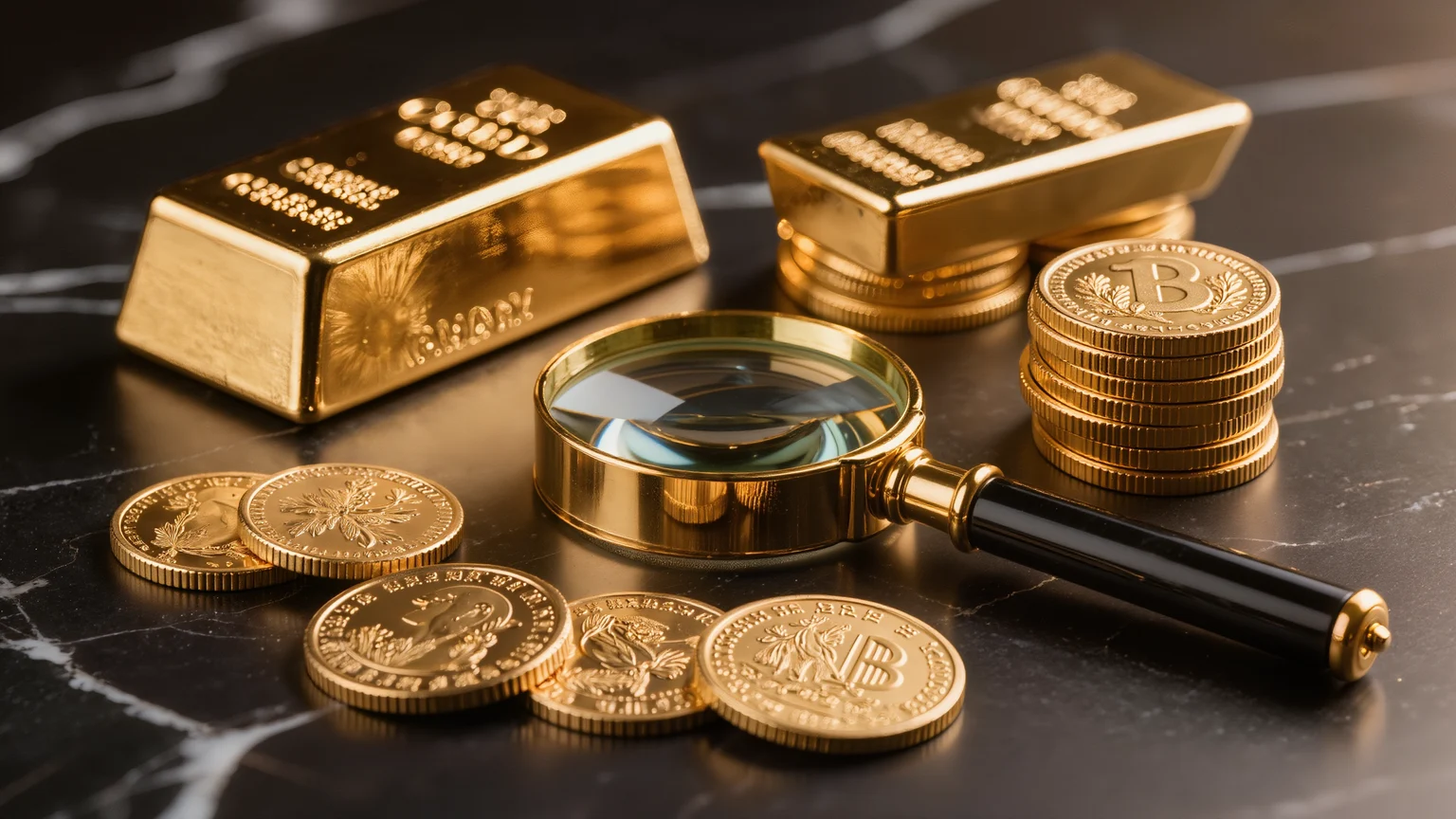

Werfen wir einen Blick auf die Faktoren, die den Goldpreis wirklich bewegen. Der Goldpreis entsteht nicht aus dem Nichts, sondern ist das Ergebnis eines komplexen Zusammenspiels aus globaler Wirtschaft, Anlegerstimmung und, ganz grundlegend, auch aus Angebot und Nachfrage. Man kann ihn sich wie ein Barometer für globale Unsicherheit vorstellen und als sicheren Hafen, wenn es turbulent wird.
Einer der wichtigsten Treiber des Goldpreises ist die Inflation. Wenn nahezu alles teurer wird, sinkt in der Regel die Kaufkraft des Alltagsgeldes, etwa von Dollar oder Euro. Menschen suchen dann nach Anlagen, die historisch ihren Wert behalten haben, und Gold ist dafür die klassische Wahl.
Warum Gold als Inflationsschutz gilt
Das ist keine bloße Theorie, sondern ein historisches Muster. Seit Jahrhunderten gilt Gold als Wertspeicher. Wenn Zentralbanken mehr Geld drucken oder die Wirtschaftspolitik zu steigenden Preisen führt, steigt der Goldpreis häufig, weil Menschen versuchen, ihr Vermögen vor Entwertung zu schützen.
Die Auswirkungen in der Praxis
Stellen Sie sich vor, Ihre Lebensmittelrechnung steigt jeden Monat spürbar oder der Benzinpreis klettert stetig weiter. In solchen Szenarien haben Menschen das Gefühl, dass ihre Ersparnisse nicht mehr so weit reichen. Genau hier kommt Gold ins Spiel. Anleger verkaufen unter Umständen weniger greifbare Vermögenswerte oder sogar Bargeld, um Gold zu kaufen, in der Erwartung, dass sein Wert stabil bleibt oder sogar steigt und so den Kaufkraftverlust der eigenen Währung ausgleicht. Es ist ein Versuch, das eigene Vermögen in einer greifbareren, historisch stabileren Form zu bewahren.
2. Zinssätze: Die Opportunitätskosten des Goldhaltens
Zinssätze spielen eine überraschend bedeutende Rolle. Sind die Zinsen hoch, werden andere Anlagen wie Anleihen oder sogar Sparkonten attraktiver, da sie eine ordentliche Rendite bieten. Das macht das Halten von Gold, das weder Zinsen noch Dividenden abwirft, weniger reizvoll.
Der Zielkonflikt für Anleger
Betrachten Sie es aus Sicht eines Anlegers: Wenn Sie mit einer Staatsanleihe eine solide Rendite von 5 Prozent erzielen können, warum sollten Sie Ihr Geld dann in Gold binden, das einfach nur daliegt? Diese höheren „Opportunitätskosten" des Goldhaltens können den Preis nach unten drücken. Umgekehrt sind die Renditen anderer Anlagen bei niedrigen Zinsen mager, wodurch Gold wettbewerbsfähiger wird. Wenn es kaum Alternativen mit guter Rendite gibt, fällt die Entscheidung für Gold leichter.
Notenbankmaßnahmen und Marktstimmung
Zentralbanken legen die Zinssätze fest. Signalisieren sie eine Straffung der Geldpolitik durch Zinserhöhungen, reagieren die Goldmärkte oft negativ, da dies auf eine stärkere Wirtschaft hindeutet, in der traditionelle Anlagen gut abschneiden könnten. Senken Zentralbanken dagegen die Zinsen, um die Wirtschaft anzukurbeln, kann das ein positives Zeichen für Gold sein, da verzinste Anlagen an Attraktivität verlieren.
3. Geopolitische Unsicherheit und die „Flucht in die Sicherheit"
Genau hier zeigt Gold seine Stärke. In Zeiten globaler Spannungen, politischer Instabilität oder internationaler Konflikte werden Anleger tendenziell nervös. Sie sorgen sich um die Stabilität von Volkswirtschaften und Finanzmärkten. Setzt Angst ein, suchen Menschen häufig nach Anlagen, die sie als sicher wahrnehmen, und Gold steht dabei ganz oben auf der Liste.
Der ultimative sichere Hafen
Gold gilt schon sehr lange als sicherer Hafen. Es ist ein physischer Vermögenswert, der nicht an die Entwicklung eines einzelnen Unternehmens oder einer Regierung gebunden ist. Bricht eine Krise aus, etwa ein Krieg oder ein bedeutender politischer Umbruch in einer wichtigen Region, steigt die Nachfrage nach Gold typischerweise sprunghaft an. Diese gestiegene Nachfrage von Menschen und Institutionen, die ihr Vermögen schützen wollen, treibt den Preis nach oben.
Beispiele aus der Praxis
Denken Sie an bedeutende globale Ereignisse. In der Anfangsphase des Ukraine-Konflikts beispielsweise stieg der Goldpreis spürbar an, da Anleger weltweit nach einem sicheren Ort für ihr Geld suchten. Ebenso können intensive Handelskonflikte oder weitverbreitete gesellschaftliche Unruhen dieselbe „Flucht in die Sicherheit" auslösen, von der Gold profitiert. Im Grunde ist es eine Versicherungspolice gegen das Chaos.
Sorgen um Währungsabwertung
Über direkte Konflikte hinaus können geopolitische Ereignisse auch Sorgen um eine Währungsabwertung auslösen. Gerät die Währung eines Landes durch politische Instabilität oder Wirtschaftssanktionen unter Druck, wenden sich dessen Bürger und internationale Anleger möglicherweise Gold zu, um ihr Vermögen zu bewahren. Diese weltweite Absicherung gegen Währungsrisiken erhöht den Aufwärtsdruck auf den Goldpreis zusätzlich.
4. Die Stärke des US-Dollars: Eine umgekehrte Beziehung
Zwischen dem US-Dollar und Gold besteht ein ziemlich konstanter umgekehrter Zusammenhang. Ist der Dollar stark, tendiert der Goldpreis nach unten, schwächelt der Dollar, steigt Gold häufig.
Warum dieser Zusammenhang besteht
Das liegt vor allem daran, dass Gold in US-Dollar notiert wird. Gewinnt der Dollar gegenüber anderen Währungen an Stärke, werden weniger Dollar benötigt, um eine Unze Gold zu kaufen, was es für Inhaber anderer Währungen günstiger macht. Ein schwächerer Dollar bedeutet umgekehrt, dass mehr Dollar für dieselbe Goldmenge nötig sind, was den Dollarpreis nach oben treibt.
Globale Nachfrage und Kaufkraft
Dabei geht es nicht nur um Mathematik. Ein starker Dollar kann auf eine robuste US-Wirtschaft hindeuten oder zumindest auf einen als stärker wahrgenommenen sicheren Hafen-Status des Dollars selbst. In solchen Phasen bevorzugen Anleger möglicherweise dollarbasierte Anlagen gegenüber Gold. Schwächelt der Dollar, kann das Gegenteil eintreten, wodurch Gold für internationale Käufer attraktiver wird und die globale Nachfrage steigt.
Wie Notenbankpolitik beides beeinflusst
Die Geldpolitik der US-Notenbank Federal Reserve hat großen Einfluss auf die Stärke des Dollars. Erhöht die Fed die Zinsen, stärkt das in der Regel den Dollar, was, wie bereits gesehen, Abwärtsdruck auf Gold ausüben kann. Schlägt die Fed einen zurückhaltenderen Kurs ein und senkt die Zinsen, kann das den Dollar schwächen und Gold zugutekommen. Auch die globale Wirtschaftslage und die Stimmung an den Devisenmärkten spielen bei dieser Dynamik eine bedeutende Rolle.
5. Angebot und Nachfrage: Der klassische wirtschaftliche Faktor
Wie bei jedem Rohstoff beeinflussen die grundlegenden Prinzipien von Angebot und Nachfrage natürlich auch den Goldpreis. Das betrifft nicht nur das physisch geförderte Gold, sondern auch recyceltes Gold und die Menge an Gold, die Anleger kaufen möchten.
Minenförderung: Die primäre Angebotsquelle
Die Menge an neu geförderten Gold ist ein zentraler Angebotsfaktor. Kommt es in wichtigen Förderländern zu Störungen im Bergbaubetrieb, etwa durch Streiks, Naturkatastrophen oder neue Umweltauflagen, die den Abbau erschweren oder verteuern, kann das gesamte Angebot an neu verfügbarem Gold sinken. Bleibt die Nachfrage konstant oder steigt sie sogar, führt dieses knappere Angebot zu Aufwärtsdruck auf die Preise.
Recycling: Eine sekundäre Angebotsquelle
Bereits gefördertes und anschließend recyceltes Gold, oft aus altem Schmuck oder elektronischen Bauteilen, trägt ebenfalls zum Angebot bei. Bei hohen Goldpreisen sind Menschen eher bereit, alte Goldstücke als Bruchgold zu verkaufen, was das recycelte Angebot erhöht. Niedrige Goldpreise wirken umgekehrt eher abschreckend, sodass weniger recyceltes Gold auf den Markt kommt. Das ist ein kleiner Rückkopplungseffekt.
Anlagenachfrage: Die Verbraucherseite der Gleichung
Dies ist vermutlich der volatilste Teil der Nachfrage. Zur Anlagenachfrage zählt Gold, das von Privatpersonen, institutionellen Anlegern und sogar Zentralbanken für ihre Reserven gekauft wird. Herrscht die weitverbreitete Überzeugung, dass Gold sich gut entwickeln wird, oder suchen Anleger nach Diversifikation, kann die Anlagenachfrage sprunghaft steigen. Das kann durch den tatsächlichen Kauf physischer Goldbarren und Münzen geschehen oder über Finanzinstrumente wie Gold-ETFs. Plötzlich können Gold im Wert von Millionen oder Milliarden Dollar gekauft oder verkauft werden, was die Preise dramatisch beeinflusst.
Industrielle Nutzung und Schmuck: Stetige, aber bedeutende Nachfrage
Auch wenn sie oft von der Anlagenachfrage überschattet wird, trägt die industrielle Nutzung von Gold, etwa in der Elektronik oder Zahnmedizin, ebenso wie die Verwendung in Schmuck zur Gesamtnachfrage bei. Diese Sektoren haben tendenziell stabilere Nachfragemuster, können jedoch dennoch von der allgemeinen Wirtschaftslage beeinflusst werden. In wirtschaftlich guten Zeiten steigen beispielsweise die frei verfügbaren Ausgaben für Schmuck. In schwierigen Zeiten gehen solche Käufe eher zurück.
6. Wirtschaftswachstum und Rezessionen: Boom- und Abschwungphasen
Der allgemeine Zustand der Weltwirtschaft spielt eine bedeutende Rolle. In Phasen starken, anhaltenden Wirtschaftswachstums neigen Anleger eher dazu, risikoreichere Anlagen mit höheren Renditen einzugehen, was die Nachfrage nach Gold verringern kann.
Die „Risk-on"- versus „Risk-off"-Stimmung
Boomt die Wirtschaft, entsteht daraus oft ein „Risk-on"-Umfeld. Anleger fühlen sich zuversichtlich und investieren bereitwillig in Aktien, Immobilien und andere wachstumsorientierte Anlagen. Gold, das als sicherere, weniger schwankungsanfällige Anlage gilt, wird in diesem optimistischen Klima weniger attraktiv. Umgekehrt setzt sich bei einer wirtschaftlichen Abschwächung oder Rezession eine „Risk-off"-Stimmung durch. Anleger werden vorsichtiger und wollen ihr Kapital vor möglichen Verlusten schützen. Genau dann steigt in der Regel die Attraktivität von Gold als sicherer Hafen, was Nachfrage und Preise nach oben treibt.
Reaktionen der Notenbanken auf die Wirtschaftslage
Auch wie Zentralbanken auf die Wirtschaftslage reagieren, ist entscheidend. In einer Rezession senken Zentralbanken möglicherweise die Zinsen und setzen quantitative Lockerung ein, um die Wirtschaft anzukurbeln. Wie bereits erläutert, wirken niedrigere Zinsen tendenziell positiv auf Gold. Bei einer überhitzten Wirtschaft erhöhen Zentralbanken hingegen möglicherweise die Zinsen, um die Lage abzukühlen, was für den Goldpreis Gegenwind bedeuten kann. Jede größere Änderung der Geldpolitik zur Steuerung der Konjunkturzyklen wirkt sich direkt auf den Goldmarkt aus.
Der Einfluss des Verbrauchervertrauens
Das Verbrauchervertrauen ist ein starker Indikator für die wirtschaftliche Gesundheit. Fühlen sich Menschen in Bezug auf ihren Arbeitsplatz und ihre finanzielle Zukunft sicher, geben sie tendenziell mehr aus, was zum Wirtschaftswachstum beiträgt. Dieses Vertrauen kann sich in eine „Risk-on"-Haltung übersetzen, wodurch die unmittelbare Attraktivität von Gold sinken kann. Schwindet dieses Vertrauen jedoch aufgrund drohender wirtschaftlicher Gefahren, kann die Nachfrage nach Gold als Absicherung gegen Unsicherheit schnell steigen.
7. Geldpolitische Entscheidungen: Die Fed und darüber hinaus
Die Entscheidungen der Zentralbanken, allen voran der US-Notenbank Federal Reserve (Fed), haben tiefgreifenden Einfluss auf den Goldpreis. Ihre Maßnahmen, ob Zinserhöhungen, Zinssenkungen oder quantitative Lockerung (QE) beziehungsweise Straffung (QT), beeinflussen direkt den Wert von Währungen und die wahrgenommene Attraktivität verschiedener Anlageklassen, einschließlich Gold.
Zinsentscheidungen: Das zentrale Instrument
Wie bereits erwähnt, stärken Zinserhöhungen der Fed in der Regel den US-Dollar und erhöhen die Renditen verzinster Anlagen wie Anleihen. Dadurch wirkt das Halten von Gold, das keine Rendite abwirft, im Vergleich weniger attraktiv. Signalisiert die Fed dagegen Zinssenkungen oder beginnt damit, schwächt das in der Regel den Dollar und mindert die Attraktivität festverzinslicher Anlagen, wodurch Gold als Anlageziel für Kapital attraktiver wird.
Quantitative Lockerung (QE) und Straffung (QT): Das größere Bild
Bei der quantitativen Lockerung führen Zentralbanken dem Finanzsystem Liquidität zu, indem sie Vermögenswerte wie Staatsanleihen kaufen. Das kann die Geldmenge erhöhen, Währungen abwerten und Inflationssorgen schüren. Solche Maßnahmen gelten allgemein als positives Signal für Gold. Die quantitative Straffung ist der umgekehrte Vorgang: Zentralbanken verkleinern ihre Bilanzen, indem sie Vermögenswerte verkaufen oder auslaufen lassen, und entziehen dem System so Liquidität. Sie kann den gegenteiligen Effekt haben, Währungen stärken und den Inflationsdruck verringern, was sich negativ auf Gold auswirken kann.
Forward Guidance und Markterwartungen
Nicht nur tatsächliche politische Änderungen bewegen die Märkte, sondern auch die „Forward Guidance", also die Ankündigungen der Notenbanker. Wenn Vertreter der Fed öffentlich Aussagen zu ihren Absichten für die künftige Geldpolitik machen, kann das die Markterwartungen erheblich prägen. Signalisieren sie eine restriktive Haltung mit Tendenz zur Straffung, kann der Goldpreis vorsorglich fallen. Ein zurückhaltendes Signal mit Tendenz zur Lockerung kann den Goldpreis dagegen stützen. Anleger versuchen ständig, diese feinen Signale zu deuten, da sie ihre Anlageentscheidungen stark beeinflussen.
Globale Abstimmung der Zentralbanken (oder deren Fehlen)
Auch wenn die Fed oft am meisten beachtet wird, beeinflussen auch Maßnahmen anderer großer Zentralbanken, etwa der Europäischen Zentralbank (EZB) oder der Bank of Japan (BoJ), die globalen Finanzmärkte und damit auch Gold. Verfolgen die großen Zentralbanken der Welt ähnliche geldpolitische Strategien, etwa wenn alle gleichzeitig die Zinsen senken, kann sich die gemeinsame Wirkung verstärken. Divergierende Politik kann dagegen komplexe Währungsdynamiken schaffen, die ebenfalls auf Gold wirken.
8. Anlegerstimmung und Marktpsychologie
Über konkrete Wirtschaftsdaten hinaus spielt die kollektive Stimmung der Anleger, ihr Optimismus, ihre Angst und ihr Vertrauen, eine entscheidende Rolle für den Goldpreis. Psychologie kann die Wirkung fundamentaler Faktoren häufig verstärken oder abschwächen.
Angst gegen Gier: Die dominierenden Emotionen
Gold profitiert tendenziell von Angst. Sorgen sich Anleger um einen wirtschaftlichen Zusammenbruch, politische Instabilität oder Inflation, strömen sie zu Gold als wahrgenommenem sicheren Hafen. Diese Angst treibt die Nachfrage an. In Phasen starken Wirtschaftswachstums und weitverbreiteten Optimismus gehen Anleger dagegen zuversichtlicher risikoreichere Anlagen ein, wodurch die Nachfrage nach Gold tendenziell sinkt. Das ist die klassische Dynamik zwischen Angst und Gier, wobei Gold in der Regel stärker von der Angst profitiert.
Spekulativer Handel und Marktdynamik
Ein erheblicher Teil des Goldhandels beruht auf Spekulation. Trader kaufen oder verkaufen Gold auf Basis ihrer Erwartungen zu kurzfristigen Preisbewegungen, oft angetrieben von technischer Analyse oder Nachrichtenereignissen. Diese spekulative Aktivität kann eine Marktdynamik erzeugen, die Preise je nach Kauf- oder Verkaufsdruck nach oben oder unten treibt, selbst wenn sich die fundamentalen Rahmenbedingungen nicht wesentlich geändert haben. Das kann zu Preisschwankungen führen, die durch die Handelsgemeinschaft noch verstärkt werden.
Medienberichterstattung und wechselnde Erzählungen
Wie Gold in den Medien und in Finanzkommentaren dargestellt wird, kann die Stimmung ebenfalls beeinflussen. Heben große Nachrichtenmedien Gold in unsicheren Zeiten als unverzichtbare Anlage hervor, kann das neue Käufer anziehen und die Nachfrage steigern. Verschiebt sich die Erzählung dagegen hin zu anderen, aufregenderen Anlagemöglichkeiten, kann die Nachfrage nach Gold nachlassen. Die vorherrschende Geschichte über Gold am Markt kann seine Beliebtheit erheblich beeinflussen.
Der Einfluss sozialer Medien und Online-Foren
Im digitalen Zeitalter können auch soziale Medien und Online-Anlageforen die Anlegerstimmung prägen. Diskussionen auf Plattformen wie Reddit oder Twitter können Ideen rasch verbreiten und Wellen von Kauf- oder Verkaufsinteresse an bestimmten Anlagen, einschließlich Gold, auslösen. Auch wenn diese Plattformen manchmal zu irrationalem Überschwang oder Panik führen können, sind sie unbestreitbar ein Faktor der modernen Marktpsychologie.
9. Inflationserwartungen: Was die Zukunft bringt
Nicht nur die aktuelle Inflation ist entscheidend, sondern auch, welche Inflation die Menschen für die Zukunft erwarten. Rechnen Anleger damit, dass die Inflation in den kommenden Monaten oder Jahren deutlich steigen wird, kaufen sie oft schon jetzt Gold, um sich gegen diesen erwarteten künftigen Preisanstieg abzusichern.
Vorausschauende Nachfrage
Das bedeutet, dass steigende Inflationserwartungen bereits Aufwärtsdruck auf den Goldpreis ausüben können, selbst wenn die aktuellen Inflationszahlen relativ stabil sind. Der Grund: Gold ist eine vorausschauende Anlage, Anleger positionieren sich für mögliche künftige Wirtschaftsszenarien.
Kommunikation der Zentralbanken über Inflationsziele
Auch die Art und Weise, wie Zentralbanken über ihre Inflationsziele und ihr Engagement gegen steigende Preise kommunizieren, beeinflusst die Erwartungen. Signalisiert eine Zentralbank, dass sie eine höhere Inflation toleriert, oder hat ihre bisherige Politik zu einem Glaubwürdigkeitsverlust bei der Inflationsbekämpfung geführt, kann das die Inflationserwartungen steigen lassen, was für Gold in der Regel positiv ist.
Die Rolle von Wirtschaftsdaten und Prognosen
Wirtschaftsdaten wie der Verbraucherpreisindex, der Erzeugerpreisindex und Zahlen zum Lohnwachstum werden genau beobachtet. Analysten und Anleger nutzen diese Daten, um künftige Inflationstrends vorherzusagen. Deuten diese Indikatoren durchgehend auf steigenden Preisdruck hin, dürften auch die Inflationserwartungen steigen, was höhere Goldpreise stützt.
10. Lieferkettenstörungen und geopolitische Ereignisse mit Auswirkungen auf die Produktion
Über das allgemeine Angebot hinaus, das wir bereits betrachtet haben, können konkrete Störungen der Goldlieferkette oder Ereignisse in Förderregionen unmittelbare und erhebliche Auswirkungen auf den Preis haben. Diese sind oft eher lokal begrenzt, können sich aber auf den gesamten Weltmarkt auswirken.
Minenschließungen und Betriebsprobleme
Die plötzliche Schließung einer bedeutenden Goldmine, etwa durch Arbeitskämpfe, politische Instabilität in der Region oder einen unvorhergesehenen Umweltvorfall, kann die Menge an Gold, die auf den Markt kommt, direkt verringern. Dieser plötzliche Angebotsrückgang kann, besonders wenn die Nachfrage stabil bleibt oder steigt, zu starken Preisausschlägen führen.
Handelsbeschränkungen und Embargos
Führen geopolitische Spannungen zu Handelsbeschränkungen oder Embargos gegen bedeutende Goldförderländer, kann das den Goldfluss zu den internationalen Märkten stören. Das schränkt das Angebot künstlich ein und kann die Preise für das verfügbare Gold in die Höhe treiben.
Herausforderungen bei Transport und Logistik
Gold muss von den Minen zu Scheideanstalten und anschließend zu den Märkten transportiert werden. Störungen bei der globalen Schifffahrt oder im Luftfrachtverkehr durch Ereignisse wie Pandemien, Naturkatastrophen oder geopolitische Konflikte können logistische Engpässe verursachen. Das kann die Verfügbarkeit von Gold verzögern und zu vorübergehenden Preisanstiegen führen, während sich der Markt an die wahrgenommene Knappheit anpasst.
Auswirkungen auf die Förderkosten
Geopolitische Ereignisse können sich auch auf die Produktionskosten von Goldminen auswirken. Gibt es beispielsweise Sanktionen gegen bestimmte Länder, kann es für Minen teurer werden, notwendige Ausrüstung oder Treibstoff zu importieren, was die Betriebskosten erhöht. Diese höheren Kosten können in Form höherer Goldpreise an die Verbraucher weitergegeben werden, oder sie setzen zumindest eine Untergrenze dafür, wie tief die Preise realistisch fallen können.
Häufige Fragen
Welches sind die wichtigsten Faktoren, die den Goldpreis beeinflussen?
Zu den wichtigsten Faktoren, die den Goldpreis beeinflussen, zählen Angebot und Nachfrage, Inflation, Zinssätze, geopolitische Ereignisse und Währungsbewegungen.Wie wirken sich Angebot und Nachfrage auf den Goldpreis aus?
Übersteigt die Nachfrage nach Gold das Angebot, steigt der Goldpreis tendenziell. Übersteigt umgekehrt das Angebot die Nachfrage, sinkt der Goldpreis tendenziell.Welche Rolle spielt die Inflation für den Goldpreis?
Gold gilt oft als Absicherung gegen Inflation, da sein Wert bei hoher Inflation tendenziell steigt. Anleger wenden sich in Inflationsphasen häufig Gold als Wertspeicher zu.Wie wirken sich Zinssätze auf den Goldpreis aus?
Höhere Zinssätze können zu niedrigeren Goldpreisen führen, da Gold weder Zinsen noch Dividenden abwirft. Niedrigere Zinssätze können umgekehrt zu höheren Goldpreisen führen, da die Opportunitätskosten des Goldhaltens sinken.Welche geopolitischen Ereignisse und Währungsbewegungen können den Goldpreis beeinflussen?
Geopolitische Ereignisse wie Kriege oder politische Instabilität können zu einer gestiegenen Nachfrage nach Gold als sicherem Hafen führen. Auch Währungsbewegungen, insbesondere die Stärke oder Schwäche des US-Dollars, können den Goldpreis beeinflussen.Welche Faktoren beeinflussen laut Artikel den Goldpreis?
Warum wird Gold häufig mit Inflation in Verbindung gebracht?
Welche Rolle spielen Zinssätze für den Goldpreis?
Mehr aus Blog
7 Fehler, die Anfänger beim Goldkauf vermeiden sollten
Sie überlegen, in die Welt des Goldbesitzes einzusteigen? Eine kluge Entscheidung. Gold gilt seit jeher aus gutem Grund als verlässliches…
10 Dinge, die Sie vor dem Kauf von Goldbarren wissen sollten
Sie überlegen also, in die Welt der Goldbarren einzusteigen? Eine kluge Entscheidung: Gold ist ein greifbarer Vermögenswert, ein klassisches Mittel…
8 Vorteile von physischem Gold gegenüber Papiergold
Vermutlich fragen Sie sich, worin der eigentliche Unterschied zwischen physischem Gold und all den digitalen und papierbasierten Alternativen…