10 Fragen, die Sie vor dem Goldkauf stellen sollten
Sie denken über den Kauf von Gold nach? Eine kluge Entscheidung. Gold kann eine hervorragende Möglichkeit sein, Ihr Portfolio zu diversifizieren, sich gegen Inflation abzusichern oder sich einfach…
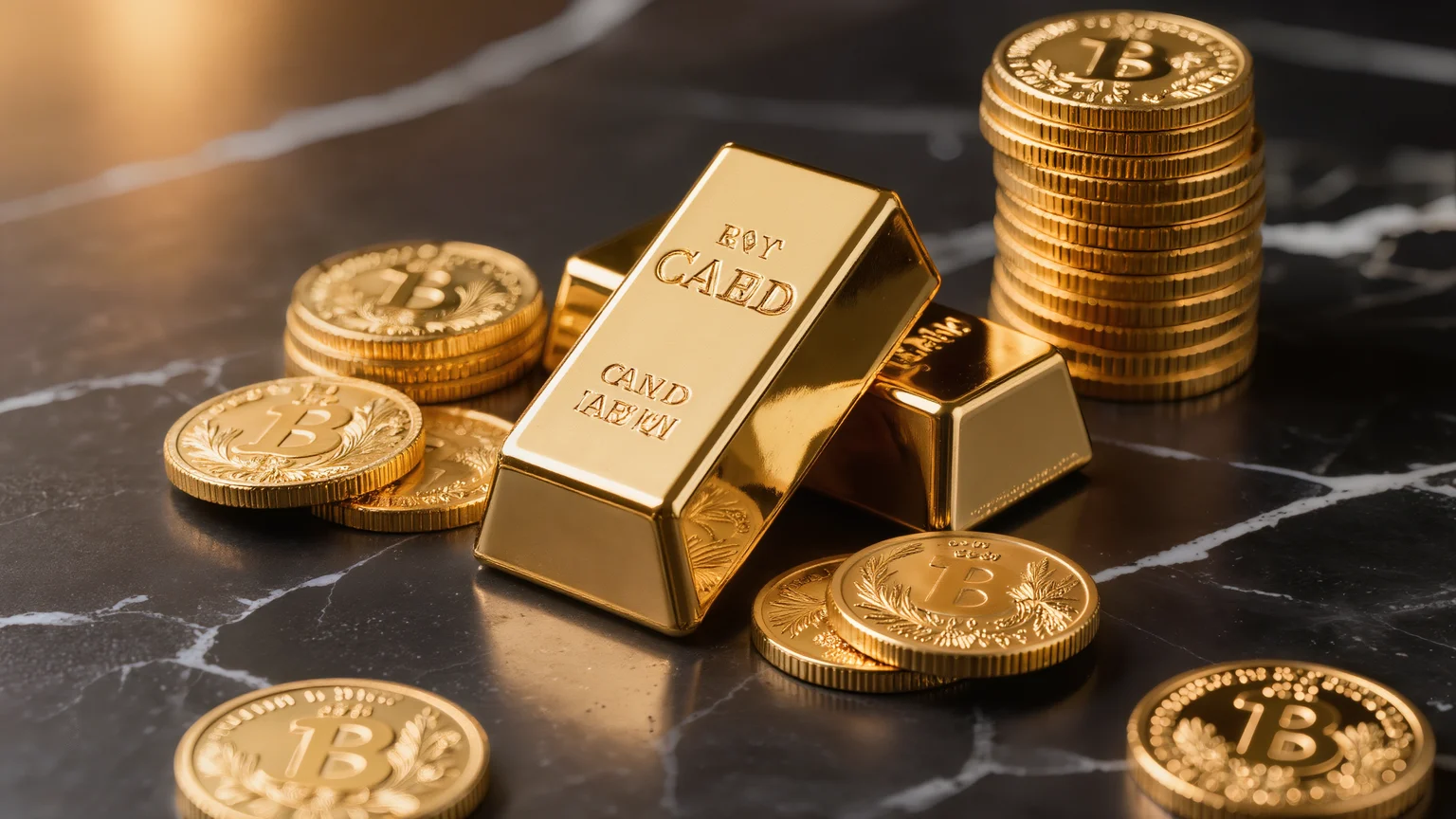

Sie denken über den Kauf von Gold nach? Eine kluge Entscheidung. Gold kann eine hervorragende Möglichkeit sein, Ihr Portfolio zu diversifizieren, sich gegen Inflation abzusichern oder sich einfach sicherer zu fühlen. Bevor Sie jedoch loslegen, ist es wichtig, sich selbst und Ihrem möglichen Verkäufer einige zentrale Fragen zu stellen. Das ist nicht wie der Kauf eines neuen Gadgets, sondern eine ernsthafte finanzielle Entscheidung. Wenn Sie die richtigen Fragen im Vorfeld stellen, ersparen Sie sich viel Ärger, stellen sicher, dass Sie ein faires Geschäft machen, und vermeiden mögliche Betrugsversuche. Werfen wir also einen Blick auf die 10 Fragen, die Sie vor dem Goldkauf unbedingt stellen sollten.
Bevor Sie sich auch nur einen einzigen Goldbarren ansehen, ist es entscheidend zu verstehen, warum Sie ihn kaufen. Ihre Motivation beeinflusst maßgeblich die Art des Goldes, die Menge und sogar, wo Sie es kaufen.
1. Was ist mein Hauptziel beim Goldkauf?
Suchen Sie ein kurzfristiges Geschäft, den langfristigen Vermögenserhalt, Inflationsschutz oder vielleicht eine Absicherung gegen wirtschaftliche Unsicherheit? Jedes dieser Ziele kann zu einer anderen Strategie führen.
- Langfristige Wertaufbewahrung: Wenn Sie über Jahrzehnte halten, spielen kleine Schwankungen eine geringere Rolle. Dann bevorzugen Sie eventuell größere Barren oder Münzen mit niedrigerem Aufgeld.
- Inflationsschutz/Krisenabsicherung: Hier ist physisches, leicht transportierbares Gold gefragt. Denken Sie an beliebte, staatlich geprägte Münzen.
- Spekulation/Handel: Das ist mit hohem Risiko verbunden. Hier kommen eventuell Gold-ETFs oder Futures infrage, die keinen physischen Besitz erfordern, aber den Goldpreis abbilden. Bei physischem Gold sollten Sie auf besonders liquide Formen setzen.
- Portfoliodiversifikation: Gold entwickelt sich in der Regel gegenläufig zu anderen Anlagen wie Aktien. Ein kleiner Anteil von 5 bis 10 Prozent kann die Schwankungen im Portfolio abfedern.
Wenn Sie Ihr Ziel kennen, laufen Sie nicht Trends hinterher und treffen keine impulsiven Entscheidungen aufgrund von Markthype.
Echtheit und Reinheit
Das ist vielleicht der wichtigste Punkt überhaupt. Sie kaufen Gold, weil es wertvoll ist. Ist es nicht echt oder nicht so rein wie beworben, haben Sie im Grunde nur einen glänzenden Briefbeschwerer erworben.
2. Wie kann ich die Echtheit und Reinheit des Goldes prüfen?
Gold ist eine Kapitalanlage, und wie jeder wertvolle Vermögenswert ist es ein beliebtes Ziel für Fälschungen. Seriöse Verkäufer haben hierauf fundierte Antworten.
- Punzen und Feingehaltsstempel: Jedes echte Anlagegold (Barren und oft auch Münzen) trägt Punzen, die den Feingehalt anzeigen (zum Beispiel „999,9“ für 24-karätiges Feingold), das Gewicht und den Stempel des Herstellers. Münzen zeigen zusätzlich die ausgebende Prägestätte und das Prägejahr.
- Unabhängige Prüfungen: Bei größeren Käufen, insbesondere von Barren, lassen manche Käufer den Feingehalt von unabhängigen Prüfstellen bestätigen. Seriöse Händler unterstützen das oft oder haben zumindest nichts dagegen.
- Anerkannte Prägestätten und Scheideanstalten: Setzen Sie auf weltweit anerkannte Prägestätten wie die U.S. Mint, die Royal Canadian Mint oder die Perth Mint sowie auf Scheideanstalten wie PAMP Suisse, Credit Suisse oder Valcambi. Ihre Produkte sind schwerer zu fälschen und werden überall akzeptiert.
- Dichtetest: Gold hat eine sehr hohe Dichte. Ein Dichtetest kann zeigen, ob die Dichte der von reinem Gold entspricht. Viele Händler verfügen über entsprechende Geräte.
- Magnettest: Gold ist nicht magnetisch. Haftet ein Magnet an Ihrem vermeintlichen Gold, handelt es sich um eine Fälschung. Das ist ein schneller, aber kein hundertprozentig sicherer Test.
Scheuen Sie sich nicht zu fragen, wie der Verkäufer die Echtheit sicherstellt. Reagiert er ausweichend oder gereizt, sollten Sie das Geschäft nicht eingehen.
3. Wie hoch ist das Aufgeld auf den Kassakurs, und warum?
Der „Kassakurs“ ist der aktuelle Marktpreis für eine Feinunze reines Gold. Physisches Gold erhalten Sie nie genau zum Kassakurs, es fällt immer ein Aufgeld an. Dieses Aufgeld deckt die Kosten für Scheidung, Prägung, Verarbeitung und Vertrieb sowie den Gewinn des Händlers.
- Kleinere Stückelungen, höheres Aufgeld: Eine 1/10-Unzen-Münze hat prozentual ein höheres Aufgeld als eine 1-Unzen-Münze, und eine Unzenmünze hat ein höheres Aufgeld als ein 1-Kilo-Barren. Das liegt daran, dass sich die Herstellungskosten auf weniger Gold verteilen.
- Seltenheit/Sammlerwert: Manche Münzen haben aufgrund ihrer Seltenheit, historischen Bedeutung oder ihres Prägejahres einen numismatischen Wert, der über den reinen Goldwert hinausgeht. Wenn Sie zu Anlagezwecken und nicht zum Sammeln kaufen, sollten Sie diese höheren Aufgelder meiden.
- Marke/Scheideanstalt: Bekannte Marken verlangen aufgrund ihres Rufs und der vertrauenswürdigen Echtheitsprüfung mitunter ein etwas höheres Aufgeld.
- Kosten des Händlers: Reine Online-Händler haben oft geringere Fixkosten als stationäre Münzhändler, was sich mitunter in niedrigeren Aufgeldern niederschlägt.
- Herstellungskosten: Aufwendig gestaltete Münzen oder Sonderausgaben können höhere anfängliche Herstellungskosten haben.
Vergleichen Sie das Aufgeld für exakt dasselbe Produkt immer bei mehreren Händlern. Schon ein Unterschied von wenigen Prozentpunkten summiert sich bei größeren Käufen schnell.
Kaufabwicklung und Lagerung
Sobald Sie sich zum Kauf entschlossen haben, stellt sich die Frage, wie die Abwicklung erfolgt und wo Ihr Edelmetall aufbewahrt wird. Dabei geht es um Sicherheit und Komfort.
4. Welche Zahlungsmethoden akzeptieren Sie, und fallen dabei Gebühren an?
Unterschiedliche Zahlungsmethoden bedeuten für den Verkäufer unterschiedliche Kosten und Bearbeitungszeiten, was sich auch auf Sie auswirken kann.
- Banküberweisung: Wird von Händlern bei größeren Käufen oft bevorzugt, da sie für sie sicher ist. Mitunter gibt es dafür einen kleinen Preisnachlass.
- Schecks (privat oder Bankscheck): Bei Zahlung per Scheck halten Händler die Bestellung in der Regel zurück, bis das Geld eingegangen ist, was bis zu zwei Wochen dauern kann.
- Kredit-/Debitkarten: Kartenzahlungen sind in der Regel mit einer Bearbeitungsgebühr von oft 2 bis 4 Prozent verbunden, die an den Käufer weitergegeben wird. Außerdem entsteht dabei eine mit Ihrer Bank verknüpfte Spur, die manche Käufer lieber vermeiden.
- Kryptowährung: Manche fortschrittliche Händler akzeptieren Kryptowährungen, allerdings sollten Sie Transaktionsgebühren und Kursschwankungen bedenken.
Achten Sie auf versteckte Gebühren. Ein transparenter Händler nennt alle Kosten im Voraus.
5. Welche Lagerungsmöglichkeiten habe ich für mein Gold?
Das ist ein zentraler Punkt. Physisches Gold braucht physische Sicherheit. Ihre Optionen lassen sich grob in folgende Kategorien einteilen:
- Lagerung zu Hause (Tresor):
- Vorteile: Sofortiger Zugriff, keine laufenden Kosten. Sie haben die volle Kontrolle.
- Nachteile: Höheres Diebstahlrisiko, in der Regel nicht durch die normale Hausratversicherung abgedeckt (dafür brauchen Sie einen Zusatzbaustein), und das Wissen darum kann für manche eine psychische Belastung sein. Sie tragen die volle Verantwortung für die Sicherheit.
- Bankschließfach:
- Vorteile: Relativ kostengünstig, gute physische Sicherheitsmaßnahmen (Tresorräume, Überwachung).
- Nachteile: Der Zugang ist auf die Öffnungszeiten der Bank beschränkt, Ihr Eigentum ist von der Bank selbst nicht versichert (dafür brauchen Sie eine private Versicherung), und geht die Bank pleite, kann der Zugriff auf Ihr Vermögen verzögert werden. Für ein „Krisenszenario“, in dem Banken geschlossen sein könnten, nicht ideal.
- Lagerung bei einem unabhängigen Tresordienstleister:
- Vorteile: Häufig sehr sicher und auf Edelmetalle spezialisiert. Kann im In- oder Ausland liegen. Manche bieten eine getrennte Lagerung an (Ihre konkreten Barren beziehungsweise Münzen werden identifiziert und separat gelagert) oder eine Sammellagerung (Sie besitzen einen Anteil an einem größeren Goldbestand). Viele bieten zudem eine Versicherung an.
- Nachteile: Laufende Lagergebühren, kein sofortiger Zugriff, und die sorgfältige Prüfung des Anbieters ist entscheidend. Stellen Sie sicher, dass er geprüft wird und über eine unabhängige Versicherung verfügt.
- Lagerprogramm des Händlers: Manche Händler bieten eine eigene Lagerung an.
- Vorteile: Bequem, besonders wenn Sie ohnehin bei diesem Händler kaufen.
- Nachteile: Sie sind auf die finanzielle Stabilität und Seriosität des Händlers angewiesen. Was passiert, wenn er insolvent wird? Achten Sie auf solide vertragliche Regelungen und unabhängige Prüfungen.
Unterschätzen Sie die Lagerung nicht. Die günstigste Option ist nicht zwangsläufig die sicherste, und die sicherste nicht zwangsläufig die zugänglichste.
Rückverkauf und Liquidität
Der Kauf ist nur die halbe Miete. Irgendwann möchten oder müssen Sie vielleicht verkaufen. Wie einfach wird das sein?
6. Bieten Sie ein Rückkaufprogramm an, und wie läuft der Rückverkauf ab?
Ein gutes Rückkaufprogramm erspart Ihnen beim Verkauf viel Aufwand.
- Garantierter Rückkauf: Viele seriöse Händler kaufen das von ihnen verkaufte Gold zurück, meist zum oder sehr nahe am aktuellen Kassakurs, abzüglich einer kleinen Spanne.
- Preistransparenz: Fragen Sie nach der Rückkaufspanne. Wie viel unter dem Kassakurs liegt das Angebot üblicherweise? Ist die Spanne fest oder variabel?
- Bedingungen: Gibt es Voraussetzungen für den Rückverkauf, zum Beispiel Originalverpackung oder eine Mindestmenge?
- Sofortige Zahlung oder Wartezeit: Wie schnell erhalten Sie Ihr Geld? Wird sofort gezahlt, oder gibt es eine Wartefrist?
- Prüfung beim Verkauf: Beim Verkauf wird der Händler das Gold selbstverständlich erneut auf Echtheit prüfen. Informieren Sie sich über diesen Ablauf.
Der Verkauf an denselben Händler, bei dem Sie gekauft haben, ist oft der einfachste Weg. Trotzdem sollten Sie das Rückkaufangebot immer mit anderen möglichen Käufern vergleichen, etwa weiteren Händlern oder Online-Marktplätzen, um einen wettbewerbsfähigen Preis zu erhalten.
7. Welche typischen Herausforderungen oder Risiken sind mit dem Besitz von physischem Gold verbunden?
So viele Vorteile Gold auch bietet, es hat auch Schattenseiten. Ein transparenter Händler spricht diese offen an.
- Sicherheit und Diebstahl: Wie erwähnt, ist physisches Gold ein attraktives Ziel. Das ist bei der Lagerung in Eigenregie Ihr größtes Risiko.
- Lagerkosten: Bei einem externen Tresor oder Schließfach fallen laufende Kosten an, die Ihre Rendite schmälern.
- Keine laufenden Erträge: Gold zahlt keine Dividende und keine Zinsen. Der Wert steigt nur, wenn der Marktpreis steigt.
- Liquidität (schwankend): Gold ist grundsätzlich liquide, doch größere Mengen schnell und ohne Preiseinfluss zu verkaufen oder in einer echten Krise überhaupt einen Käufer zu einem fairen Preis zu finden, kann schwierig sein. Kleinere, staatlich geprägte Münzen sind in der Regel am liquidesten.
- Aufgeld und Spanne: Die Differenz zwischen An- und Verkaufspreis, die Handelsspanne, bedeutet, dass der Goldpreis erst genug steigen muss, um diese Kosten zu decken, bevor Sie die Gewinnschwelle erreichen.
- Echtheitsrisiko beim Verkauf: Haben Sie Gold privat oder ohne ordentliche Prüfung erworben, kann ein Händler beim Verkauf Zweifel an der Echtheit haben, was den Verkauf erschwert.
- Kapitalertragsteuer: In vielen Ländern unterliegen Gewinne aus dem Goldverkauf der Kapitalertragsteuer. Das ist kein „Risiko“ im eigentlichen Sinne, aber ein Kostenfaktor, den Sie kennen sollten.
Wenn Sie diese Herausforderungen kennen, können Sie Ihre Erwartungen realistisch einschätzen und entsprechend planen.
Rechtlicher und regulatorischer Rahmen
Übergehen Sie nicht die weniger glamourösen, aber ebenso wichtigen rechtlichen und steuerlichen Aspekte.
8. Welche steuerlichen Folgen hat der Kauf und Verkauf von Gold in meinem Land?
Steuergesetze unterscheiden sich stark von Land zu Land und sogar von Bundesland zu Bundesland. Diese Frage sollten Sie idealerweise mit einem Steuerberater klären, doch ein sachkundiger Händler kann oft eine allgemeine Orientierung geben.
- Umsatzsteuer/Mehrwertsteuer: Ist Gold von der Umsatzsteuer befreit? Viele Länder befreien Anlagegold von der Umsatzsteuer oder heben sie ab einem bestimmten Kaufbetrag auf. Sammlermünzen können dagegen umsatzsteuerpflichtig sein.
- Kapitalertragsteuer: Verkaufen Sie Gold mit Gewinn, wird das üblicherweise als Kapitalertrag behandelt. Der Steuersatz auf diesen Gewinn hängt oft von der Haltedauer (kurzfristig oder langfristig) und Ihrem Gesamteinkommen ab.
- Meldepflichten: In manchen Ländern, etwa in den USA, kann der Verkauf bestimmter Goldmengen oder Goldarten eine Meldepflicht des Händlers an Behörden auslösen. Das bedeutet nicht, dass etwas Illegales vorliegt, sondern nur, dass der Staat die Transaktion aus steuerlichen Gründen erfassen möchte.
- Erbschaftsteuer: Bedenken Sie, wie Gold im Rahmen Ihres Nachlasses behandelt wird.
Informieren Sie sich unbedingt über die geltenden Steuergesetze oder wenden Sie sich an einen auf Edelmetalle spezialisierten Steuerberater. Verlassen Sie sich für eine verbindliche steuerliche Beratung nicht allein auf den Händler.
9. Gibt es Meldepflichten für große Transaktionen oder den grenzüberschreitenden Transport von Gold?
Das knüpft an den vorherigen Punkt an, betrifft aber stärker die regulatorische Einhaltung von Vorschriften.
- Gesetze zur Geldwäscheprävention: Händler unterliegen Vorschriften zur Geldwäscheprävention und müssen Transaktionen oberhalb einer bestimmten Schwelle, zum Beispiel 10.000 US-Dollar in den USA, den Behörden melden, unabhängig von der Zahlungsart. Das ist ein Standardverfahren zur Verhinderung illegaler Aktivitäten.
- Identitätsprüfung („Know Your Customer“): Bei größeren Transaktionen verlangen Händler einen Ausweis. Das ist gesetzlich vorgeschrieben und ein Zeichen für ein seriöses Geschäft.
- Zollerklärungen: Wenn Sie Gold physisch über internationale Grenzen transportieren, gelten strenge Deklarationspflichten. Wer nicht deklariert, riskiert Beschlagnahmung und Bußgelder.
- Ein- und Ausfuhrabgaben: Manche Länder erheben Zölle oder Steuern auf Goldimporte oder -exporte.
Diese Vorschriften haben ihren Sinn. Wundern oder beunruhigen Sie sich nicht, wenn ein Händler bei einem größeren Kauf einen Ausweis verlangt oder Sie über Meldepflichten informiert, das zeigt vielmehr, dass er sich an geltendes Recht hält.
Sorgfältige Prüfung des Verkäufers
Zum Schluss noch dies: Sie kaufen nicht nur Gold, sondern auch von einem bestimmten Verkäufer. Dessen Ruf spielt eine entscheidende Rolle.
10. Welchen Ruf und welche Erfolgsbilanz hat Ihr Unternehmen, und wie lange sind Sie schon am Markt?
Hier prüfen Sie den Händler selbst. Sie würden auch kein Auto von einem zwielichtigen Händler kaufen, also kaufen Sie auch kein Gold von einem solchen.
- Bestand am Markt: Ein Unternehmen, das schon viele Jahre, am besten Jahrzehnte, besteht und mehrere Marktzyklen durchlebt hat, ist ein gutes Zeichen. Das spricht für Stabilität und Erfahrung.
- Online-Bewertungen und Zertifizierungen: Prüfen Sie unabhängige Bewertungsportale wie Trustpilot oder Google-Rezensionen. Achten Sie auf durchgehend positives Feedback und darauf, wie Beschwerden behandelt werden. Ist der Händler von relevanten Branchenverbänden zertifiziert?
- Transparenz: Sind die Preise klar ausgewiesen? Werden alle Gebühren im Voraus offengelegt? Gibt es klare Regelungen für Versand, Rückgabe und Rückkauf?
- Kundenservice: Wie schnell und ausführlich werden Ihre Fragen beantwortet? Wirkt das Team kompetent und geduldig?
- Physische Präsenz (optional): Handelt es sich um ein lokales Münzgeschäft, können ein realer Standort und eine gewachsene Verankerung vor Ort ein gutes Zeichen sein.
Verlassen Sie sich nicht nur auf die Aussagen des Händlers. Recherchieren Sie selbst. Schon eine kurze Online-Suche kann viel über die Vergangenheit eines Unternehmens verraten.
Wenn Sie diese 10 Fragen stellen, gewinnen Sie nicht nur ein deutlich klareres Bild von Ihrem geplanten Goldkauf, sondern auch ein starkes Vertrauen in Ihre Entscheidung. Gold kann eine hervorragende Anlage sein, doch wie jede Investition erfordert es sorgfältige Prüfung und informierte Entscheidungen. Viel Erfolg!
Häufige Fragen
1. Welche Faktoren sollte man vor dem Goldkauf berücksichtigen?
Vor dem Goldkauf sollten Sie Faktoren wie den aktuellen Marktpreis, den Feingehalt des Goldes und den Ruf des Verkäufers berücksichtigen. Zusätzlich sollten Sie sich Gedanken über Lagerung und Versicherung des Goldes machen.2. Welche unterschiedlichen Goldformen stehen zum Kauf zur Verfügung?
Gold kann in verschiedenen Formen erworben werden, darunter Münzen, Barren und Schmuck. Jede Form hat eigene Vorteile und Besonderheiten, daher ist es wichtig, die Unterschiede vor dem Kauf zu kennen.3. Welche Risiken sind mit dem Goldkauf verbunden?
Zu den Risiken beim Goldkauf zählen Preisschwankungen, das Risiko gefälschter Produkte und die Notwendigkeit einer sicheren Lagerung. Es ist wichtig, sich dieser Risiken bewusst zu sein und entsprechende Vorsichtsmaßnahmen zu treffen.4. Wie kann ich die Echtheit von Gold vor dem Kauf überprüfen?
Vor dem Goldkauf ist es wichtig, die Echtheit des Produkts zu überprüfen. Das gelingt über seriöse Händler, unabhängige Gutachter sowie durch die Prüfung entsprechender Punzen und Zertifikate.5. Welche steuerlichen Folgen hat der Kauf und Verkauf von Gold?
Die steuerlichen Folgen von Goldkauf und -verkauf hängen vom jeweiligen Land und den örtlichen Vorschriften ab. Es ist wichtig, diese Folgen vor dem Kauf zu verstehen und bei Bedarf einen Steuerberater zu Rate zu ziehen.Warum ist es laut Artikel wichtig, vor dem Goldkauf das eigene Ziel zu klären?
Welche Goldform passt laut Artikel zu welchem Ziel?
Wie ordnet der Artikel Gold im Rahmen der Diversifikation ein?
Mehr aus Blog
7 Fehler, die Anfänger beim Goldkauf vermeiden sollten
Sie überlegen, in die Welt des Goldbesitzes einzusteigen? Eine kluge Entscheidung. Gold gilt seit jeher aus gutem Grund als verlässliches…
10 Dinge, die Sie vor dem Kauf von Goldbarren wissen sollten
Sie überlegen also, in die Welt der Goldbarren einzusteigen? Eine kluge Entscheidung: Gold ist ein greifbarer Vermögenswert, ein klassisches Mittel…
8 Vorteile von physischem Gold gegenüber Papiergold
Vermutlich fragen Sie sich, worin der eigentliche Unterschied zwischen physischem Gold und all den digitalen und papierbasierten Alternativen…