10 Fragen zum Goldankauf verständlich beantwortet
Sie überlegen also, etwas Gold zu verkaufen? Das ist eine kluge Entscheidung, besonders wenn Sie noch alten Schmuck, Münzen oder sogar Zahngold zu Hause haben. Aber wo fängt man an? Dieser Ratgeber…
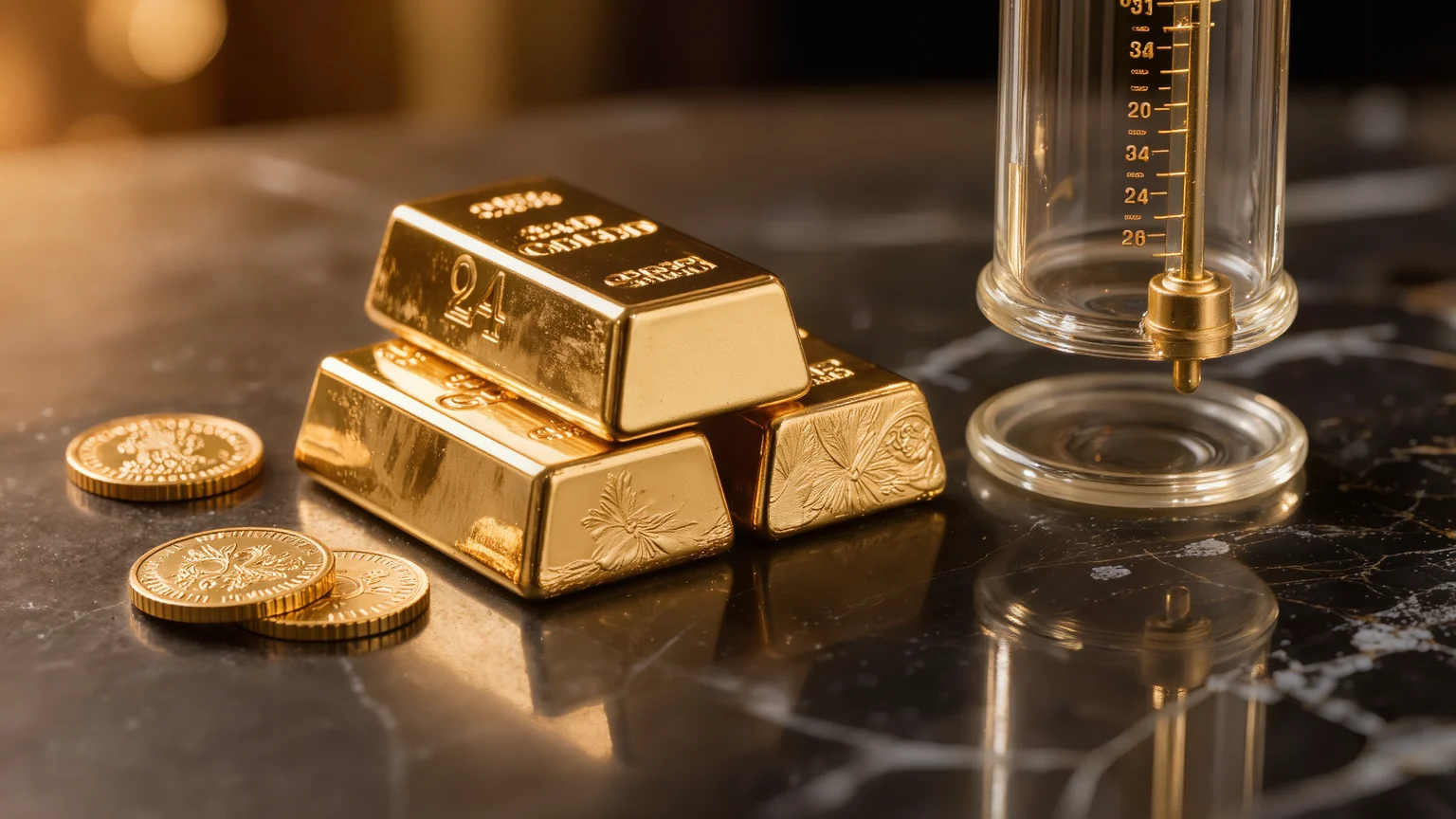

Sie überlegen also, etwas Gold zu verkaufen? Das ist eine kluge Entscheidung, besonders wenn Sie noch alten Schmuck, Münzen oder sogar Zahngold zu Hause haben. Aber wo fängt man an? Dieser Ratgeber beantwortet die häufigsten Fragen, die sich stellen, wenn Sie bereit sind, Ihr Gold zu verkaufen, und macht den Prozess deutlich weniger einschüchternd. Wir behandeln alles Wichtige, von der Einordnung des Feingehalts bis zur Auszahlung, klar und verständlich erklärt.
Bevor Sie überhaupt an einen Ankäufer denken, besteht die größte Hürde darin herauszufinden, was Ihr Gold wert sein könnte. Dabei geht es nicht um eine magische Zahl, sondern darum, die Faktoren zu verstehen, die den Wert beeinflussen.
Der Feingehalt zählt: mehr als nur eine Zahl
Zunächst das Wichtigste: der Feingehalt Ihres Goldes. Er wird in Karat angegeben.
- 24 Karat (24 kt): Das ist reines Gold mit einem Feingehalt von 99,9 Prozent. Es ist sehr weich, weshalb es selten in Schmuck verarbeitet wird. Es ist wertvoll, aber für den Alltag weniger geeignet.
- 22 Karat (22 kt): Enthält etwa 91,7 Prozent Gold. Noch immer sehr rein und häufig in hochwertigem Schmuck oder Münzen zu finden.
- 18 Karat (18 kt): Enthält 75 Prozent Gold (18 von 24 Teilen). Das ist ein üblicher Feingehalt für Schmuck und bietet eine gute Balance zwischen Haltbarkeit und Goldanteil.
- 14 Karat (14 kt): Hat einen Goldanteil von 58,3 Prozent (14 von 24 Teilen). Ebenfalls sehr verbreitet bei Schmuck, besonders in den USA und Europa. Es ist widerstandsfähiger als höhere Karatzahlen.
- 10 Karat (10 kt): Der in den USA geltende Mindeststandard für die Bezeichnung „Gold“, mit einem Goldanteil von 41,7 Prozent (10 von 24 Teilen). Es ist deutlich widerstandsfähiger und günstiger.
Je höher die Karatzahl, desto höher der Goldanteil und damit der innere Wert. Ein Ankäufer zahlt bei sonst gleichen Bedingungen mehr für 24-karätiges Gold als für 10-karätiges.
Punzen: der Ausweis Ihres Goldes
Achten Sie auf kleine Stempel oder Punzen an Ihren Goldstücken. Sie geben in der Regel den Feingehalt an. Gängige Punzen sind „24K“, „18K“, „14K“, „10K“ oder Zahlen wie „999“, „750“, „585“ oder „417“. Diese Kennzeichen können mitunter abgenutzt oder versteckt sein, sind aber ein guter Ausgangspunkt.
Das Gewicht zählt: ab auf die Waage
Gold wird nach Gewicht bepreist. Sie müssen wissen, wie viel Ihr Gold wiegt, um seinen Wert einzuschätzen.
- Küchenwaage verwenden: Eine normale Küchenwaage eignet sich für größere Stücke, für kleinere Schmuckteile brauchen Sie jedoch eine präzisere Waage, die Gramm oder sogar Bruchteile von Gramm misst.
- Professionelle Waagen: Seriöse Goldankäufer verfügen über geeichte Waagen. Sie können sich die Waage und die Anzeige zeigen lassen.
- Einheiten verstehen: Gold wird üblicherweise pro Gramm oder pro Feinunze bepreist. Eine Feinunze ist etwas schwerer als eine gewöhnliche Unze (rund 31,1 Gramm gegenüber 28,35 Gramm). Achten Sie darauf, welche Einheit der Ankäufer verwendet.
Der Unterschied zwischen „Schmelzwert“ und „Einzelhandelswert“
Hier entsteht bei vielen Verwirrung. Der Preis, den Ihnen ein Goldankäufer bietet, richtet sich in der Regel nach dem Schmelzwert, also dem Wert des reinen Goldanteils, wenn das Stück eingeschmolzen würde. Das ist fast immer weniger, als Sie ursprünglich für das Schmuckstück bezahlt haben.
- Schmelzwert: Das ist der Preis des reinen Goldes selbst, unter Berücksichtigung von Feingehalt und Gewicht. Ankäufer müssen ihre Betriebskosten und Gewinnspanne einkalkulieren und bieten daher nicht den vollen Marktpreis des Goldes.
- Einzelhandelswert: Das ist der Preis von Schmuck im Geschäft, der Design, Verarbeitung, Markenname und den Aufschlag des Händlers einschließt. Beim Verkauf an einen Schmelzankäufer sollten Sie nicht annähernd mit diesem Betrag rechnen.
Wie ermitteln Goldankäufer ihr Angebot? (Die Rechnung dahinter)
Sie haben Ihr Gold und kennen ungefähr den Feingehalt. Doch wie macht ein Ankäufer daraus ein Angebot? Sobald Sie die einzelnen Bausteine kennen, ist die Rechnung ganz einfach.
Der aktuelle Goldpreis: ein bewegliches Ziel
Der Goldpreis schwankt täglich, manchmal sogar stündlich, je nach den globalen Märkten. Er bildet die grundlegende Referenzgröße.
- Aktuelle Goldpreise: Aktuelle Goldpreise finden Sie leicht online. Suchen Sie nach „aktueller Goldpreis pro Gramm“ oder „Kassakurs Gold“. Diese Angaben beziehen sich meist auf 24-karätiges Gold.
- Marge des Ankäufers: Ankäufer zahlen Ihnen nicht exakt den Kassakurs. Da sie einen Gewinn erzielen müssen, bieten sie einen Prozentsatz des Kassakurses an, häufig zwischen 60 und 85 Prozent, je nach Ankäufer und Goldmenge.
Den Feingehaltswert Ihres Goldes berechnen
Sobald Sie den Kassakurs für reines Gold kennen, können Sie den Wert des reinen Goldanteils in Ihrem Stück berechnen.
- Beispiel: Nehmen wir an, 24-karätiges Gold kostet 60 US-Dollar pro Gramm.
- Ihr 18-karätiges Armband besteht zu 75 Prozent aus Gold. Der Wert pro Gramm läge bei 60 US-Dollar mal 0,75, also 45 US-Dollar.
- Ihr 10-karätiger Ring besteht zu 41,7 Prozent aus Gold. Der Wert pro Gramm läge bei 60 US-Dollar mal 0,417, also 25,02 US-Dollar.
Was der Ankäufer bietet: Ihr tatsächlicher Preis
Der Ankäufer geht vom berechneten Feingehaltswert aus und zieht davon seinen Prozentsatz für Gewinn und Betriebskosten ab.
- Beispiel fortgesetzt: Bietet der Ankäufer 70 Prozent des Schmelzwerts an:
- Für Ihr 18-karätiges Armband (45 US-Dollar pro Gramm reines Gold) könnte das Angebot bei 45 US-Dollar mal 0,70, also 31,50 US-Dollar pro Gramm liegen.
- Für Ihren 10-karätigen Ring (25,02 US-Dollar pro Gramm reines Gold) könnte das Angebot bei 25,02 US-Dollar mal 0,70, also 17,51 US-Dollar pro Gramm liegen.
Vergessen Sie das Gewicht nicht!
Diese Rechnung gilt pro Gramm (oder pro Feinunze). Wiegt Ihr 18-karätiges Armband also 10 Gramm, ergäbe sich ein Angebot von 10 Gramm mal 31,50 US-Dollar, also 315 US-Dollar.
Wo sollten Sie Ihr Gold verkaufen? (Den richtigen Ankäufer finden)
Das ist eine entscheidende Wahl. Die falsche Anlaufstelle kann ein deutlich niedrigeres Angebot und eine frustrierende Erfahrung bedeuten.
Pfandhäuser: schnelles Geld, aber oft niedrigere Preise
Pfandhäuser sind eine Option für schnelles Geld, bieten aber in der Regel die niedrigsten Preise für Gold. Ihr Geschäftsmodell beruht auf der Beleihung von Gegenständen, weshalb sie darauf ausgelegt sind, günstig einzukaufen.
- Vorteile: Bequem, schnell.
- Nachteile: Bieten in der Regel am wenigsten für Ihr Gold.
Juweliere: manchmal eine Option, aber mit Bedacht wählen
Manche Juweliere kaufen Gold an, besonders wenn sie auf Anfertigungen oder Reparaturen spezialisiert sind. Sie bieten mitunter etwas bessere Preise als Pfandhäuser, da sie den Wert von Edelmetallen und Edelsteinen besser einschätzen können.
- Vorteile: Kennen sich mit dem Goldwert oft besser aus, bieten manchmal ein Gutschriftsguthaben an.
- Nachteile: Nicht jeder Juwelier kauft Gold an, und die Preise können stark schwanken.
Spezialisierte Goldankäufer (online und vor Ort): meist die beste Wahl
Diese Unternehmen sind auf den Ankauf von Gold, Silber und anderen Edelmetallen spezialisiert. Sie verfügen in der Regel über die passenden Waagen und Prüfgeräte sowie einen klaren Bewertungsprozess.
- Lokale Goldankäufer:
- Vorteile: Sie treffen sich persönlich, sehen den Ablauf und erhalten die Zahlung sofort.
- Nachteile: Sie müssen seriöse lokale Anbieter recherchieren, um Betrug zu vermeiden.
- Online-Goldankäufer:
- Vorteile: Praktisch, wenn kein guter lokaler Ankäufer in der Nähe ist, und oft sehr wettbewerbsfähig.
- Nachteile: Erfordert den Versand Ihres Goldes (mit Versicherung), Wartezeit auf die Zahlung und weniger unmittelbare Rückmeldung.
Woran Sie einen seriösen Goldankäufer erkennen: Warnsignale und gute Zeichen
- Transparenz: Erklärt der Ankäufer seine Preisgestaltung und wie das Angebot zustande kommt?
- Zertifizierungen/Lizenzen: Handelt es sich um ein seriöses Unternehmen?
- Ausstattung: Werden präzise, geeichte Waagen verwendet? Ist geeignetes Prüfgerät vorhanden?
- Ruf: Prüfen Sie Online-Bewertungen und fragen Sie nach Referenzen, wenn möglich.
- Kein Verkaufsdruck: Ein guter Ankäufer lässt Ihnen Bedenkzeit für das Angebot, statt eine sofortige Entscheidung zu verlangen.
- Klare Gebühren/Abzüge: Werden Gebühren oder Abzüge klar benannt?
Was ist, wenn mein Gold Edelsteine enthält? (Die glitzernden Extras)
Sie haben Gold, an dem aber auch glitzernde Steine sitzen. Das bringt eine weitere Ebene in die Bewertung, und es lohnt sich zu verstehen, wie das funktioniert.
Werden Edelsteine im Goldpreis berücksichtigt? (Meist nicht)
Beim Verkauf an einen typischen, auf den Schmelzwert fokussierten Goldankäufer bezieht sich das Angebot fast ausschließlich auf das Gold selbst. Die Edelsteine gelten für diese Ankäufer oft als wertlos.
- Schmelzwert-Ankäufer: Ihr Hauptinteresse gilt dem Edelmetallgehalt. Meist fehlt ihnen die Fachkenntnis oder Ausrüstung, um einzelne Edelsteine korrekt zu bewerten. Mitunter erwarten sie sogar, dass Sie die Steine selbst entfernen, oder sie lassen deren Wert einfach unberücksichtigt.
- Was mit den Steinen geschieht: Sie werden Ihnen möglicherweise zurückgegeben oder entsorgt. Klären Sie das unbedingt vorab.
Wann Edelsteine doch wichtig sein können (und wo Sie dafür verkaufen sollten)
Handelt es sich um bedeutende Edelsteine, etwa große Diamanten, Rubine oder Saphire, erzielen Sie beim Verkauf an einen auf Schmuck spezialisierten Juwelier oder ein Auktionshaus möglicherweise einen besseren Gesamtpreis.
- Spezialisierte Juweliere: Diese Juweliere beschäftigen Gemmologen, die Qualität und Wert Ihrer Steine einschätzen können.
- Auktionshäuser: Bei außergewöhnlich wertvollen Edelsteinen und Goldstücken kann ein Auktionshaus der beste Weg zu einem maximalen Erlös sein.
- Getrennter Verkauf: Sie können wertvolle Edelsteine selbst entfernen und getrennt verkaufen, bevor Sie den Goldanteil an einen Schmelzankäufer veräußern.
So bereiten Sie Gold mit Edelsteinen vor
- Entfernen, wenn möglich und wertvoll: Lassen sich wertvolle Edelsteine leicht entfernen und verkaufen Sie an einen Schmelzankäufer, sollten Sie das in Erwägung ziehen.
- Wert der Edelsteine einschätzen lassen: Vermuten Sie einen Wert der Steine, lassen Sie diesen von einem seriösen Gemmologen begutachten, bevor Sie entscheiden, wo Sie das Stück verkaufen.
- Realistisch bleiben: Die meisten kleinen Diamanten oder Farbsteine in altem Schmuck haben für sich genommen kaum Wiederverkaufswert, besonders bei einem Schmelzankäufer.
Wie erhalte ich mein Geld? (Der letzte Schritt)
Das Angebot liegt vor, und Sie sind zufrieden damit. Doch wie kommen Sie nun tatsächlich an Ihr Geld? Das ist der letzte Schritt, und er sollte unbedingt sicher ablaufen.
Zahlungsmethoden: Bargeld, Scheck oder Überweisung
Die gängigsten Zahlungsmethoden sind:
- Bargeld: Bei lokalen Geschäften wird Bargeld von beiden Seiten oft bevorzugt. Es ist sofort verfügbar und unkompliziert.
- Vorteile: Sofort verfügbar.
- Nachteile: Erfordert ein persönliches Treffen, und größere Bargeldbeträge sollten mit Vorsicht transportiert werden.
- Scheck: Manche Ankäufer stellen einen Scheck aus.
- Vorteile: Sicher, nachvollziehbar.
- Nachteile: Muss eingereicht werden und braucht Zeit, bis das Geld gutgeschrieben ist.
- Banküberweisung: Häufiger bei größeren Beträgen oder Online-Ankäufern.
- Vorteile: Sicher, gut geeignet für größere Summen.
- Nachteile: Es kann ein bis zwei Werktage dauern, bis das Geld auf Ihrem Konto eingeht.
Was Sie bei der Abwicklung erwartet
- Vor Ort: Der Ankäufer wiegt Ihr Gold, prüft den Feingehalt (oft mit einer kleinen Waage und einem Säuretest), berechnet den Wert anhand des aktuellen Marktpreises und seines Prozentsatzes und macht Ihnen dann ein Angebot. Nehmen Sie es an, erfolgt die Zahlung sofort in der von Ihnen gewählten Form.
- Online: Sie erhalten in der Regel ein frankiertes Versandetikett. Sie verpacken Ihr Gold sicher (oft mit Versicherung), verschicken es nach Anweisung, und sobald es angekommen und geprüft ist, erhalten Sie ein Angebot. Nehmen Sie es an, wird die Zahlung veranlasst. Lehnen Sie ab, wird das Gold an Sie zurückgeschickt, meist auf Ihre Kosten.
Vorsicht bei Angeboten, die zu gut klingen, um wahr zu sein
Bietet ein Ankäufer deutlich mehr als andere seriöse Anbieter, ist das ein Warnsignal. Möglicherweise soll ein günstiges Erstangebot Sie nur anlocken, um es später, sobald das Gold vorliegt, deutlich zu senken.
Belege aufbewahren
Es ist immer sinnvoll, die Transaktion zu dokumentieren, mit Name und Kontaktdaten des Ankäufers, dem Datum, der Goldmenge und der erhaltenen Zahlung.
Kurztipps für den optimalen Goldverkauf
Hier einige praktische, unkomplizierte Tipps, die Ihnen zum bestmöglichen Ergebnis verhelfen.
Gold reinigen (aber nicht übertreiben)
Ein kurzes Abwischen zur Entfernung von Schmutz lässt Ihr Gold besser aussehen, doch verzichten Sie auf aggressive Chemikalien. Sie ändern nichts am Schmelzwert, aber etwas Glanz kann den wahrgenommenen Wert steigern.
Nach Karat sortieren (wenn möglich)
Wenn Sie größere Mengen Gold besitzen und die verschiedenen Karatzahlen relativ leicht erkennen können, etwa einen Stapel 14-karätiger Ringe und einen separaten Stapel 24-karätiger Münzen, beschleunigt eine Sortierung den Ablauf. Verbringen Sie aber keine Stunden damit, jedes Stück perfekt zu sortieren, wenn Sie unsicher sind.
Den aktuellen Goldpreis vorher kennen
Wie bereits erwähnt, sollten Sie unbedingt vorab die aktuellen Goldpreise online prüfen. Das gibt Ihnen eine Vergleichsbasis für Angebote. Liegt der Kassakurs bei 60 US-Dollar pro Gramm und jemand bietet Ihnen 20 US-Dollar pro Gramm, wissen Sie, dass das kein gutes Geschäft ist.
Mehrere Angebote einholen
Wie bei jedem größeren Kauf ist der Vergleich entscheidend. Holen Sie sich Angebote von mindestens zwei bis drei verschiedenen seriösen Goldankäufern, vor Ort oder online. Schon ein kleiner Unterschied im Prozentsatz kann bei größeren Verkäufen erheblich ins Gewicht fallen.
Gebühren und Auszahlungsquote des Ankäufers beachten
Schauen Sie nicht nur auf das genannte Angebot. Verstehen Sie, welchen Prozentsatz des Schmelzwerts der Ankäufer bietet und ob versteckte Gebühren anfallen. Ein Ankäufer mit 75 Prozent des Schmelzwerts ist besser als einer mit 80 Prozent, der später niedrigere Gebühren behauptet.
Stücke mit ideellem Wert nicht allein wegen des Schmelzpreises verkaufen
Hat ein Stück einen hohen ideellen Wert, ist aber nur seinen Schmelzwert wert, sollten Sie überlegen, ob der Verkauf wirklich die richtige Entscheidung ist. Es gibt alternative Wege, bei Bedarf an Geld zu kommen, und manchmal ist es wertvoller, ein liebgewonnenes Stück zu behalten, als den Verkaufserlös zu erhalten.
Bei Münzen oder Barren den Sammlerwert kennen
Manche Goldmünzen oder -barren haben einen „numismatischen“ Sammlerwert, der über dem Schmelzwert liegt. Das gilt besonders für seltene oder ältere Münzen. Vermuten Sie einen Sammlerwert, lassen Sie Ihre Münzen von einem Münzhändler bewerten, bevor Sie sie an einen allgemeinen Goldankäufer verkaufen.
Wenn Sie diese Aspekte kennen, können Sie den Verkauf Ihres Goldes mit Zuversicht angehen und einen fairen Preis für Ihr Edelmetall erzielen, ganz ohne unnötigen Stress.
Häufige Fragen
1. Was bedeutet Goldankauf?
Goldankauf bezeichnet den Prozess, bei dem Goldstücke wie Schmuck, Münzen oder Barren von Privatpersonen oder Unternehmen gegen Bargeld erworben werden.2. Wie wird der Wert von Gold bestimmt?
Der Wert von Gold richtet sich nach Gewicht und Feingehalt. Der Feingehalt wird in Karat gemessen, wobei 24-karätiges Gold das reinste ist. Auch der aktuelle Marktpreis spielt eine wichtige Rolle bei der Wertbestimmung.3. Worauf sollte ich bei einem seriösen Goldankäufer achten?
Bei der Suche nach einem seriösen Goldankäufer sollten Sie Faktoren wie Ruf, Erfahrung sowie Lizenzierung und Versicherung berücksichtigen. Zusätzlich empfiehlt es sich, Kundenbewertungen und Erfahrungsberichte einzusehen.4. Welche unterschiedlichen Möglichkeiten gibt es, Gold zu verkaufen?
Es gibt mehrere Wege, Gold zu verkaufen, etwa an ein lokales Juweliergeschäft, ein Pfandhaus oder einen Goldankäufer sowie über Online-Ankaufdienste. Jede Methode hat eigene Vor- und Nachteile, daher lohnt sich Recherche und Vergleich.5. Gibt es Risiken beim Verkauf von Gold?
Der Verkauf von Gold kann zwar unkompliziert sein, doch es gibt mögliche Risiken, etwa einen niedrigeren Preis als den tatsächlichen Wert des Goldes zu erhalten oder auf unseriöse Ankäufer zu treffen. Es ist wichtig, sich über den Goldmarkt zu informieren und einen seriösen Ankäufer zu wählen, um diese Risiken zu minimieren.Mehr aus Blog
7 Fehler, die Anfänger beim Goldkauf vermeiden sollten
Sie überlegen, in die Welt des Goldbesitzes einzusteigen? Eine kluge Entscheidung. Gold gilt seit jeher aus gutem Grund als verlässliches…
10 Dinge, die Sie vor dem Kauf von Goldbarren wissen sollten
Sie überlegen also, in die Welt der Goldbarren einzusteigen? Eine kluge Entscheidung: Gold ist ein greifbarer Vermögenswert, ein klassisches Mittel…
8 Vorteile von physischem Gold gegenüber Papiergold
Vermutlich fragen Sie sich, worin der eigentliche Unterschied zwischen physischem Gold und all den digitalen und papierbasierten Alternativen…