10 Gold-Investment-Strategien für Einsteiger
So, you’re looking to dip your toes into the world of gold investment, but aren’t sure where to start? Good on you! Gold can be a solid component of a diversified portf…
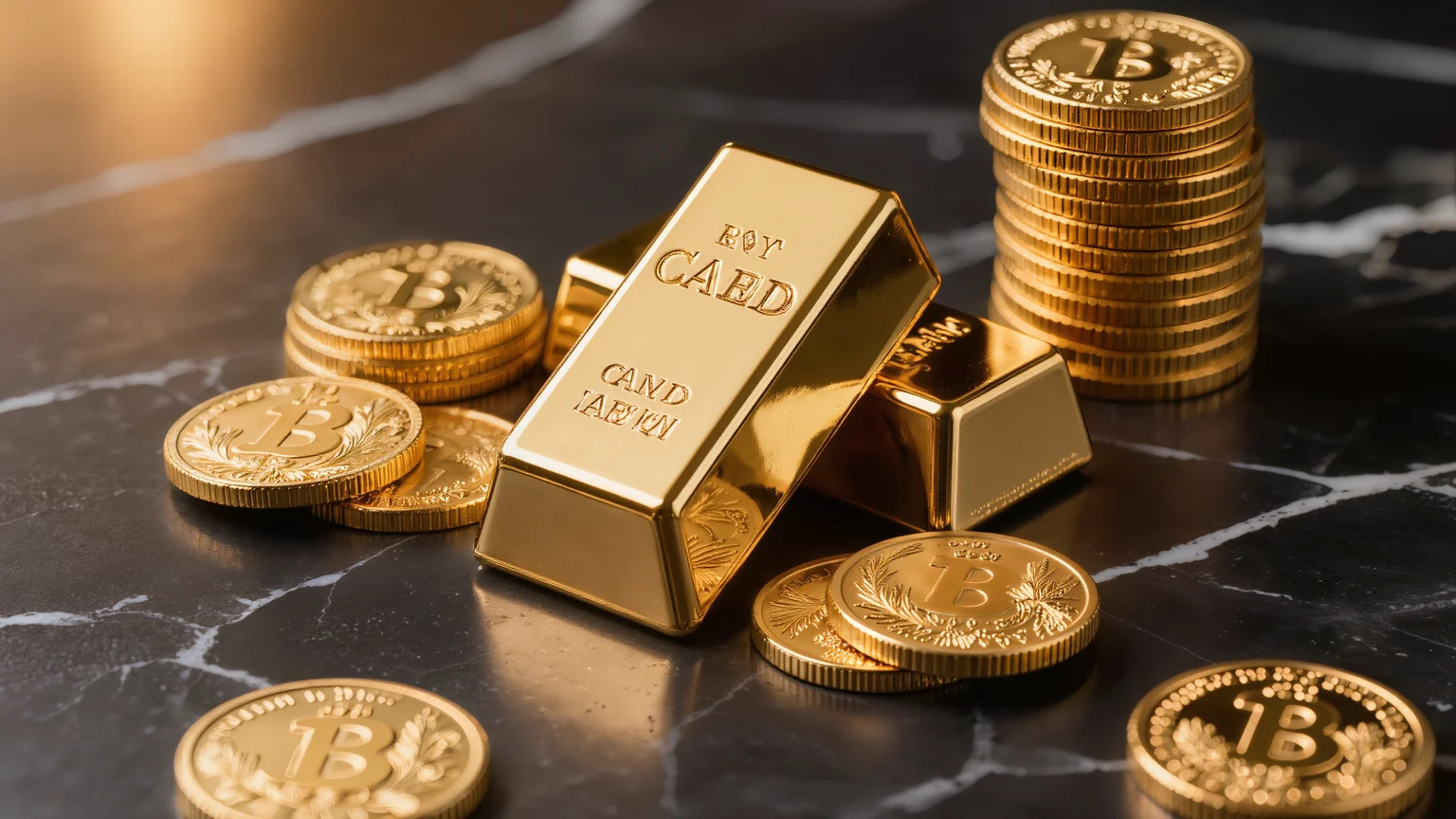
So, you’re looking to dip your toes into the world of gold investment, but aren’t sure where to start? Good on you! Gold can be a solid component of a diversified portfolio, especially in uncertain times. It’s often seen as a safe haven, a store of value, and a hedge against inflation. But just like any investment, it’s not a magic bullet, and there are smart ways and not-so-smart ways to approach it.
The main gist for beginners is this: don’t go all-in on one thing. Think diversification, understand what you’re buying, and don’t get swept up in the hype. We’ll break down ten practical strategies to help you get started without getting overwhelmed.
1. Start with the Basics: Understanding Gold and Its Role in Your Portfolio
Before you buy a single gram, it’s crucial to understand why you’re buying gold. Is it for wealth preservation, a hedge against inflation, or simply as a diversifier? Your „why“ will influence your „how.“
1.1 Gold as a Store of Value
Historically, gold has maintained its purchasing power over long periods. Unlike fiat currencies, it can’t be printed into existence by governments, which contributes to its perceived stability. Think of it as a historical piggy bank.
1.2 Inflation Hedge
When the cost of living goes up, the value of your cash goes down. Gold often performs well during periods of high inflation, as investors seek assets that can retain their value. It’s not a perfect correlation, but it’s a commonly observed trend.
1.3 Portfolio Diversification
Gold typically has a low correlation with other asset classes like stocks and bonds. This means when stocks are struggling, gold might be performing well, and vice-versa. Adding gold can help smooth out the ups and downs of your overall portfolio.
1.4 Realistic Expectations
Gold doesn’t generate income like dividends from stocks or interest from bonds. Its returns primarily come from price appreciation. Don’t expect explosive growth; think consistent, long-term stability.
2. Physical Gold: Bars and Coins
This is often what people first think of when they consider gold investment. It’s tangible, you can hold it, and it feels real.
2.1 Gold Bullion Bars
These are typically larger quantities of gold, ranging from a few grams to kilograms. They are usually pure gold (24 karat or 99.99% pure).
- Pros: Lower premiums over spot price compared to smaller coins, good for larger investments.
- Cons: Higher initial cost, storage can be a real headache (and costly if you use professional vaults), less liquid for smaller transactions.
2.2 Gold Coins
Popular options include American Gold Eagles, Canadian Gold Maples, South African Krugerrands, and Austrian Philharmonics. They often come in 1-ounce denominations.
- Pros: More liquid than bars (easier to buy and sell smaller amounts), some numismatic value can develop over time (though don’t rely on this for investment decisions), easier to store in smaller safes.
- Cons: Higher premiums over spot price due to manufacturing costs and collector appeal, still require secure storage.
2.3 Storage Considerations
If you buy physical gold, where do you put it?
- Home Safe: Convenient, but insurable limits are often low, and it’s vulnerable to theft.
- Bank Safe Deposit Box: More secure, but you don’t have immediate access, and it still doesn’t protect against government confiscation (rare, but historically possible).
- Professional Vaults: Most secure option, often fully insured, but comes with recurring storage fees. Research reputable, audited facilities.
3. Gold-Backed Exchange Traded Funds (ETFs)
For many beginners, this is a much more practical and accessible way to get exposure to gold. You buy shares in an ETF that holds physical gold on your behalf.
3.1 How They Work
Gold ETFs like SPDR Gold Shares (GLD) or iShares Gold Trust (IAU) own large quantities of physical gold. When you buy a share of GLD, you’re buying a small piece of that gold, without the hassle of physical storage.
3.2 Advantages for Beginners
- Liquidity: You can buy and sell shares throughout the trading day, just like stocks.
- Cost-Effective: No dealing with storage, insurance, or transactional premiums associated with physical gold. Management fees are typically low.
- Accessibility: You can buy small amounts, making it easier to start with less capital.
- Security: The physical gold is held in professional vaults by the fund, often audited for transparency.
3.3 Disadvantages
- No Physical Ownership: You don’t actually own the physical gold; you own shares in a fund that owns the gold. This means you can’t touch it or take possession.
- Counterparty Risk: While rare with large funds, there’s always a theoretical risk associated with the fund issuer.
- Tracking Error: The ETF’s price should closely track the spot price of gold, but small discrepancies can occur.
4. Gold Mining Stocks
Instead of buying gold itself, you can invest in the companies that extract gold from the earth. This is a different beast entirely.
4.1 How They Work
You’re buying shares in companies like Barrick Gold, Newmont Mining, or Agnico Eagle Mines. Their profitability is tied to the price of gold, but also to their operational efficiency, management, and geological successes.
4.2 Potential Benefits
- Leverage to Gold Price: If the gold price rises, mining companies often see disproportionately higher profits, potentially leading to higher stock prices.
- Income Potential: Some larger, established mining companies pay dividends.
- Growth Potential: Successful exploration or efficient operations can lead to significant growth beyond just the gold price.
4.3 Key Risks
- Operational Risk: Miners face geological risks (not finding enough gold), operational challenges (accidents, strikes), and geopolitical risks (mining in unstable regions).
- Management Quality: A poorly managed company can underperform even with high gold prices.
- Cost of Production: If gold prices fall below a company’s production cost, they can quickly become unprofitable.
- Environmental & Regulatory Issues: Mining can be environmentally impactful, leading to regulatory hurdles and potential fines.
4.4 Research is Crucial
Don’t just pick a mining stock because you like gold. Research the company’s balance sheet, management team, production costs (all-in sustaining costs or AISC is a good metric), and geographical exposure. This is more akin to stock picking than direct gold investment.
5. Gold Futures and Options
These are advanced investment vehicles, generally not recommended for beginners due to their complexity and high risk.
5.1 Gold Futures
A futures contract is an agreement to buy or sell a specific quantity of gold at a predetermined price on a future date.
- Leverage: Futures offer significant leverage, meaning a small price movement in gold can lead to large profits or losses.
- Volatility: They are highly volatile and can result in rapid and substantial losses.
- Expiration Dates: Contracts expire, requiring you to roll them over or take physical delivery (which you almost certainly don’t want to do).
5.2 Gold Options
Options give you the right, but not the obligation, to buy (call option) or sell (put option) gold at a specific price by a certain date.
- Complexity: Options strategies can be very complex.
- Decay: Options have an expiration date, and their value erodes over time (time decay).
- High Risk: It’s very easy to lose your entire investment quickly if the market moves against you.
5.3 Recommendation for Beginners
Avoid these entirely. Seriously. Get a solid understanding of basic gold investments and portfolio management before even thinking about futures or options.
6. Dollar-Cost Averaging (DCA)
This is a simple yet powerful strategy that applies to many investments, including gold.
6.1 How it Works
Instead of investing a lump sum all at once, you invest a fixed amount of money at regular intervals (e.g. $100 every month).
6.2 Benefits for Beginners
- Reduces Risk: You’re not trying to „time the market.“ You buy more units when prices are low and fewer when prices are high, averaging out your purchase cost over time.
- Disciplined Approach: It encourages consistent investing and takes emotion out of the equation.
- Manages Volatility: Gold’s price can fluctuate. DCA helps you ride out these ups and downs without panic selling or buying at the top.
6.3 Consistency is Key
The effectiveness of DCA relies on consistent, regular investments, regardless of market conditions. Automation through a brokerage can make this even easier.
7. Portfolio Allocation and Diversification
Gold should be a component of your portfolio, not your entire portfolio.
7.1 The „Right“ Percentage
There’s no magic number. Financial advisors often suggest anywhere from 5% to 15% of your total portfolio in gold, depending on your risk tolerance, time horizon, and other holdings. Some even go up to 20% in very volatile market conditions.
7.2 Don’t Over-Allocate
Putting too much into gold can limit your growth potential since it doesn’t typically provide income or the growth trajectory of equities. It’s primarily for stability and wealth preservation.
7.3 Rebalancing
Periodically review your portfolio (e.g. once a year). If gold’s value has increased significantly, you might trim some of your gold holdings to bring it back to your target percentage. Conversely, if it drops, you might buy more to reach your target. This is a disciplined way to ‚buy low and sell high‘.
8. Understanding Premiums and Spreads
When buying physical gold or even some ETFs, you’ll encounter these terms.
8.1 Spot Price
This is the current market price of one troy ounce of gold for immediate delivery. It’s the benchmark.
8.2 Premium
When you buy physical gold (bars or coins), you’ll almost always pay a „premium“ above the spot price. This covers the costs of refining, minting, fabrication, distribution, and the dealer’s margin. Smaller items usually have higher premiums proportionally.
8.3 Spread
This is the difference between the buying price (bid) and the selling price (ask) offered by a dealer. A wide spread means you lose more when you sell compared to what you paid. Always compare spreads from different dealers.
8.4 Taxes
In some regions, sales tax might apply to physical gold purchases. Capital gains tax will usually apply when you sell your gold at a profit, just like with stocks. Be aware of your local regulations.
9. Research Reputable Dealers and Platforms
This is paramount, especially when dealing with physical assets. There are scams out there.
9.1 For Physical Gold
- Accredited Dealers: Look for dealers with long-standing reputations, positive reviews, and accreditation from industry bodies (e.g. National Futures Association, Better Business Bureau ratings).
- Transparency: Reputable dealers will clearly list their premiums, shipping costs, and return policies.
- Avoid „Too Good To Be True“ Deals: If something seems significantly cheaper than legitimate market prices, it’s likely a scam or fake.
- Authentication: Ensure the gold you’re buying is certified (e.g. PAMP Suisse, Credit Suisse, Perth Mint bars) and authentic.
9.2 For Gold ETFs or Mining Stocks
- Reputable Brokerage: Use a well-known, regulated brokerage platform (e.g. Charles Schwab, Fidelity, Vanguard, Interactive Brokers in the US, or similar in your region).
- Fund Provider: For ETFs, stick with established providers like State Street, iShares (BlackRock), or Invesco.
- Understand Fees: Be aware of any trading commissions, management fees for ETFs, or account maintenance fees from your broker.
10. Long-Term Perspective
Gold investing is not a get-rich-quick scheme.
10.1 Patience is a Virtue
The price of gold can be volatile in the short term. Don’t check the price every day and don’t panic sell based on daily fluctuations.
10.2 Historical Performance
Look at gold’s performance over decades, not just a few months or years. Its value as a store of wealth often shines brightest over the long haul.
10.3 Avoid Emotional Decisions
Market commentary can be sensationalized. Base your decisions on your investment plan, financial goals, and research, not on fear or greed fueled by headlines.
By following these practical strategies, you’ll be well-prepared to incorporate gold into your investment journey in a thoughtful and informed way. Happy investing!
FAQs
What are some common gold investment strategies for beginners?
Some common gold investment strategies for beginners include buying physical gold, investing in gold ETFs, purchasing gold mining stocks, and investing in gold mutual funds.What are the benefits of investing in gold?
Investing in gold can provide a hedge against inflation, currency devaluation, and economic uncertainty. It can also serve as a diversification tool in an investment portfolio.What are the risks associated with investing in gold?
Some risks associated with investing in gold include price volatility, storage and insurance costs for physical gold, and the potential for underperformance compared to other asset classes.How can beginners determine the right gold investment strategy for them?
Beginners can determine the right gold investment strategy for them by considering their investment goals, risk tolerance, and investment timeline. They can also seek advice from financial advisors or do thorough research on different investment options.Are there any tax implications to consider when investing in gold?
Yes, there are tax implications to consider when investing in gold. For example, gains from the sale of physical gold may be subject to capital gains tax, and different investment vehicles may have varying tax treatments. It’s important for beginners to understand the tax implications of their gold investments.Mehr aus Blog

7 Fehler, die Anfänger beim Goldkauf vermeiden sollten
Alright, thinking about dipping your toes into the world of gold ownership? Smart move. Gold’s been a reliable store of value for ages, and for …
10 Dinge, die Sie vor dem Kauf von Goldbarren wissen sollten
Alright, so you’re thinking about dipping your toes into the world of gold bars. Smart move! It’s a tangible asset, a classic way to diversify, …
8 Vorteile von physischem Gold gegenüber Papiergold
You’re probably wondering what the big deal is with physical gold versus all the digital and paper options out there. Simply put, physical gold …