10 Gold-Trends, die Anleger kennen sollten
Let’s dive into the world of gold and what’s currently influencing its trajectory. You’re probably wondering if now’s a good time to consider gold, or…
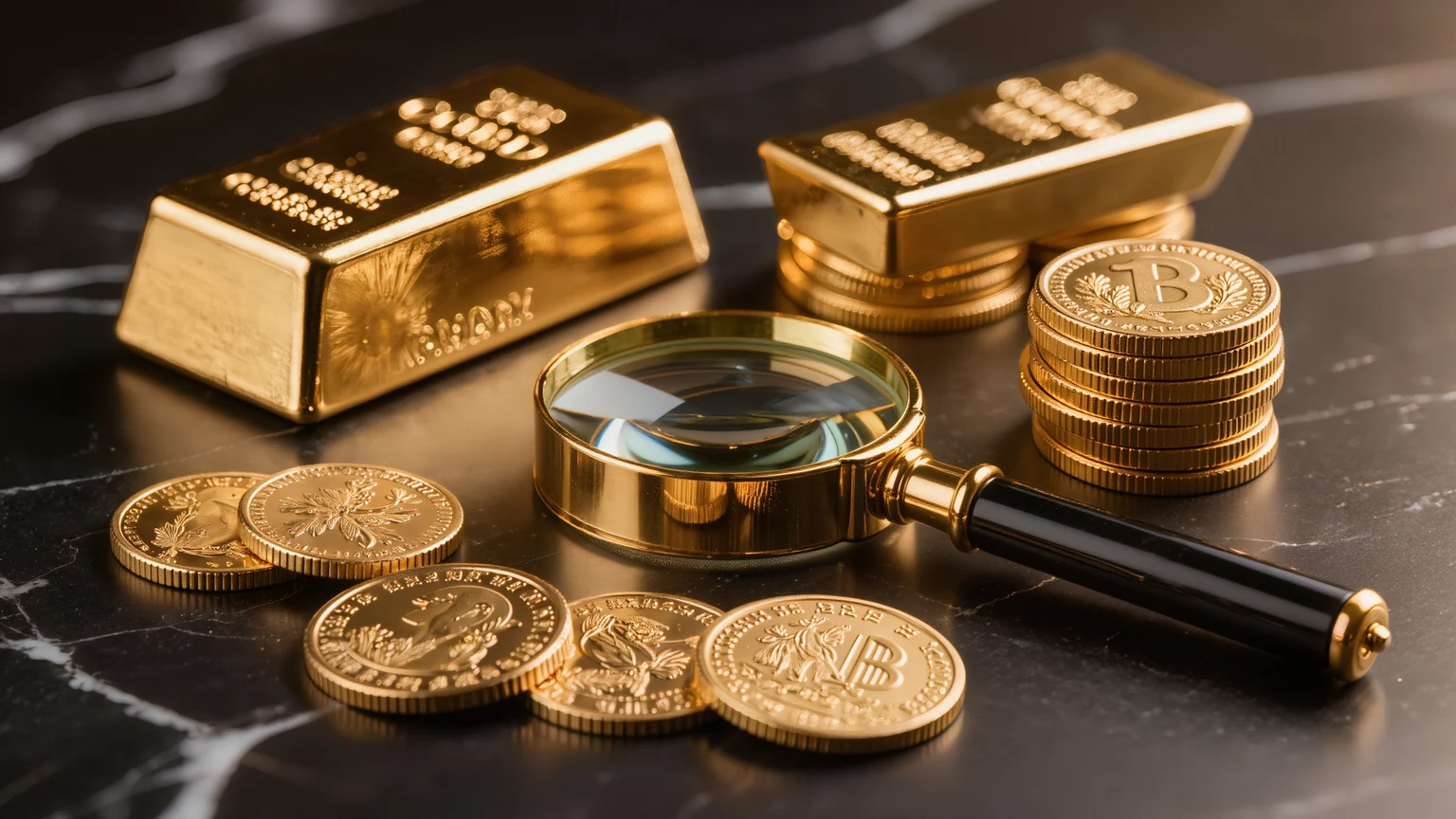
Let’s dive into the world of gold and what’s currently influencing its trajectory. You’re probably wondering if now’s a good time to consider gold, or what exactly is driving its price. Honestly, it’s a bit of a mixed bag, but there are definitely some key trends Anleger (investors) should be keeping an eye on. We’re not talking about vague predictions here, but actual shifts in the market that could impact your portfolio.
1. The Persistent Allure of the Safe Haven
Let’s start with the classic reason people flock to gold: its reputation as a safe haven. When the global economy looks shaky, or when geopolitical tensions flare up, investors tend to pull their money out of riskier assets like stocks and pour it into gold. It’s like that sturdy old tree in a storm, it might sway, but it’s less likely to be uprooted.
1.1. Geopolitical Pains and Gold Reins
Right now, we’re seeing a number of geopolitical hotspots around the world. From ongoing conflicts to trade disputes and political uncertainties in major economies, these aren’t just headlines. They create a climate of caution, prompting investors to seek stability, and gold has historically been the go-to asset for that. Think of it as a global insurance policy premium being paid.
1.2. Inflation’s Shadow and Gold’s Shine
Inflation is another big one. When the cost of goods and services rises faster than your wages, your money’s purchasing power decreases. Gold, on the other hand, is seen as a store of value. Historically, when inflation ticks up, so does the demand for gold, and consequently, its price. It’s not a perfect hedge, but it often performs well when fiat currencies are losing ground.
1.3. Central Bank Balancing Act
Central banks around the world play a huge role in the economy, and their decisions ripple through financial markets. When they’re worried about inflation, they might raise interest rates, which can make bonds more attractive than gold. But if they’re concerned about economic slowdowns or instability, they might hold off on rate hikes or even consider easing monetary policy, which can make gold look more appealing again. It’s a delicate dance, and investors watch these moves closely.
2. The Dollar’s Dance and Gold’s Direction
The value of the US dollar is intricately linked to the price of gold. This is because gold is typically priced in dollars on the international market. When the dollar strengthens, it means it takes fewer dollars to buy an ounce of gold, so the dollar price of gold tends to fall. Conversely, a weaker dollar often leads to a higher dollar price for gold.
2.1. Interest Rate Differentials Matter
One of the primary drivers of the dollar’s strength or weakness is the difference in interest rates between the US and other major economies. If US interest rates are higher, investors are incentivized to hold dollars to earn that higher yield, strengthening the dollar and potentially pressuring gold prices. When interest rates abroad are more competitive, the dollar might weaken.
2.2. Global Reserve Currency Concerns
While the dollar is still the world’s dominant reserve currency, there are ongoing discussions about diversification and the potential rise of other currencies or even alternative reserve assets. Any perception of a decline in the dollar’s global standing, however small, can lead investors to seek alternatives, and gold frequently comes up in those conversations.
2.3. Trade Balances and Capital Flows
The US trade balance, the difference between how much it exports and imports, and the flow of capital into and out of the country also influence the dollar’s strength. Persistent trade deficits or significant capital outflows can put downward pressure on the dollar, which, in turn, can be a tailwind for gold.
3. Shifting Investor Demand: Beyond the Traditional
Gold’s appeal isn’t limited to seasoned institutional investors anymore. There’s a growing trend of broader investor participation, and that’s impacting demand patterns.
3.1. The Rise of Retail and Younger Investors
We’re seeing more individual investors, including younger demographics, showing interest in gold, often through ETFs or even fractional ownership. This is partly driven by increased financial literacy and a desire for portfolio diversification beyond traditional stocks and bonds. Platforms have made it easier than ever to get started.
3.2. ETFs: The Easy Entry Point
Gold Exchange Traded Funds (ETFs) have been a game-changer for accessibility. They allow investors to gain exposure to gold without the hassle of storing physical metal. When inflows into these ETFs surge, it indicates increased demand and can push gold prices higher. Conversely, outflows can signal waning interest.
3.3. Cryptocurrency Counterparts: A Complex Relationship
The emergence of cryptocurrencies, particularly Bitcoin, has sometimes been framed as „digital gold.“ While they share some characteristics like scarcity, their price volatility and regulatory uncertainty are vastly different from gold. Some investors see them as diversifying assets, while others view gold as the more stable and time-tested option. The relationship is still evolving and can lead to interesting dynamic shifts in demand for both.
4. Supply Chain Dynamics and Mine Production
While demand gets a lot of attention, the supply side of the gold market is also crucial. The amount of gold available, and the cost of producing it, directly impacts its price.
4.1. Mining Output Plateaus
The easy-to-access gold deposits have largely been mined. Discovering new, large-scale, economically viable gold mines is becoming increasingly difficult and expensive. This means that even with strong demand, the rate of new gold supply coming onto the market is often constrained.
4.2. Production Costs on the Rise
Beyond discovery, the actual cost of extracting gold from the ground is also going up. This is due to factors like higher energy prices, more stringent environmental regulations, and the increasing complexity of mining operations as they delve deeper or into more challenging terrains. Higher production costs can set a floor for gold prices.
4.3. Recycling as a Buffer
A significant portion of gold supply comes from recycling old jewelry, electronics, and industrial scrap. While this can provide a flexible source of gold, it’s also sensitive to price. If gold prices are high, more people are motivated to sell their old gold, increasing supply. If prices are low, recycling tends to decrease.
5. The Role of Emerging Markets
Emerging markets have become significant players in the global gold landscape, both in terms of demand and investment. Their growing middle classes and evolving financial systems are changing how gold is perceived and used.
5.1. Cultural Significance and Consumer Demand
In many Asian countries, gold holds deep cultural significance, often being gifted during festivals, weddings, and other important life events. As economies in these regions grow and disposable incomes rise, this cultural demand for gold jewelry and physical bars can be a substantial driver of the global market.
5.2. Investment Alternatives in Developing Economies
For investors in emerging markets, gold can represent an accessible and relatively stable investment, especially in countries where local currencies might be more volatile or where traditional financial instruments are less developed. It’s a way to preserve wealth in environments of economic uncertainty.
5.3. Central Bank Diversification Strategies
Increasingly, central banks in emerging economies are also looking to diversify their foreign exchange reserves away from a heavy reliance on the US dollar. Gold is a natural asset for this diversification, and their purchases can represent a significant source of demand on the global market.
6. Regulatory Environment and Government Policies
Government policies and the regulatory landscape can have a profound impact on gold. This can range from import/export duties to how gold is taxed, and even broader economic policies that affect its attractiveness.
6.1. Tax Implications for Investors
Taxation on capital gains from gold can influence investor behavior. Higher taxes can deter investment, while favorable tax treatments might encourage it. Understanding the specific tax rules in your jurisdiction is always a good idea.
6.2. Import/Export Restrictions and Duties
Some countries impose restrictions or significant import/export duties on gold. These can create price discrepancies between markets and influence trade flows, ultimately affecting global pricing. Governments may use these measures to control capital outflows or generate revenue.
6.3. The Impact of Broader Economic Management
Beyond specific gold policies, the overall economic management of a country matters. Sound fiscal and monetary policies generally lead to greater economic stability, which can reduce the need for safe-haven assets like gold. Conversely, poor economic management can drive demand for gold.
7. Technological Advancements in Exploration and Processing
While mining is a traditional industry, technology continues to play a role in how gold is found and extracted. These advancements can influence future supply and production costs.
7.1. Enhanced Exploration Techniques
New geophysical and geochemical techniques are improving the ability to detect gold deposits that might have been missed by older methods. This can lead to new discoveries, although bringing them to production still takes time and significant capital.
7.2. More Efficient Extraction Methods
Innovations in processing technology are making it possible to extract gold from lower-grade ores or more complex geological formations. This can reduce the cost of production and potentially extend the life of existing mines.
7.3. Environmental Technologies
As environmental regulations become stricter, there’s also a drive for more sustainable and less impactful mining and processing methods. Technologies that reduce water usage, chemical waste, or energy consumption can influence the long-term viability and cost-effectiveness of mining operations.
8. The Influence of Derivatives and Futures Markets
Gold isn’t just traded physically; a significant portion of its price discovery happens in the derivatives markets, particularly gold futures. These markets can magnify price movements and influence sentiment.
8.1. Speculative Trading Activity
Futures markets allow for speculation on future gold prices. Large volumes of speculative buying or selling can sometimes lead to price swings that are not directly reflective of physical demand or supply. This can create opportunities but also introduces volatility.
8.2. Hedging Strategies for Producers and Consumers
Gold producers use futures markets to hedge against falling prices, guaranteeing a certain price for their future output. Similarly, large industrial users of gold might hedge against rising prices. These hedging activities can smooth out price volatility to some extent but also contribute to market dynamics.
8.3. Sentiment Indicators in Futures
The open interest and positioning of different market participants in futures contracts can serve as sentiment indicators. For example, if large commercial banks are heavily net long, it might suggest they expect prices to rise. These are complex indicators, but they are closely watched by many traders.
9. The Interplay of Other Precious Metals
Gold doesn’t exist in a vacuum. Its performance is often influenced by, and influences, other precious metals like silver, platinum, and palladium.
9.1. The Gold-Silver Ratio
The ratio between the price of gold and the price of silver (the gold-silver ratio) is a closely watched indicator. Historically, a high ratio has sometimes suggested that silver is undervalued relative to gold, and vice versa. Many traders use this ratio to make decisions about which metal might offer better relative value.
9.2. Industrial Demand for Platinum and Palladium
While gold is primarily an investment and jewelry metal, platinum and palladium have significant industrial applications, particularly in catalytic converters for vehicles. Demand for these metals is highly sensitive to the automotive industry and global economic growth. Their performance can sometimes correlate with gold, or diverge based on specific demand drivers.
9.3. Investment Flows Between Precious Metals
Investors often allocate capital to precious metals as a group. If investors are moving money into precious metals generally, gold might benefit. However, if there’s a perceived better opportunity in silver or platinum due to specific industrial demand or lower valuations, capital could shift away from gold.
10. Investor Sentiment and Market Psychology
Finally, and perhaps most intangibly, investor sentiment plays a crucial role. How investors feel about gold, and the market in general, can significantly impact its price, sometimes irrespective of pure fundamentals.
10.1. Fear and Greed Cycles
Market psychology often swings between periods of fear (leading to selling and seeking safety, thus boosting gold) and greed (leading to speculative buying of riskier assets, potentially dampening gold). Understanding these cycles can be important for timing investments.
10.2. Media Narratives and Analyst Opinions
The way gold is portrayed in the media and the opinions of influential analysts can shape public perception and investor behavior. Positive narratives and bullish forecasts can attract buyers, while negative coverage can drive them away.
10.3. Herding Behavior
Like in many markets, „herding behavior“ can occur where investors follow the actions of a larger group, fearing they might miss out or wanting to conform. If gold starts a strong upward trend, this can attract more buyers who are simply following the crowd, further amplifying the move. Conversely, a price drop can trigger a rush to sell.
So, there you have it: a rundown of some of the key trends influencing gold prices right now. It’s a complex market, and no single factor dictates its movement, but by keeping these drivers in mind, Anleger can make more informed decisions.
FAQs
1. What are the current trends in the gold market that investors should be aware of?
The article outlines 10 key trends in the gold market that investors should pay attention to, including factors such as central bank buying, geopolitical tensions, and the impact of inflation on gold prices.2. How do central bank policies affect the price of gold?
The article discusses how central bank policies, such as interest rate decisions and quantitative easing, can impact the price of gold. It explains how changes in these policies can influence investor sentiment and demand for gold as a safe-haven asset.3. What role do geopolitical tensions play in the gold market?
The article highlights the impact of geopolitical tensions on the price of gold, citing examples of how political instability and conflicts can drive investors to seek refuge in gold as a hedge against uncertainty.4. How does inflation affect the demand for gold?
The article explains how inflation can drive demand for gold as a store of value, particularly during periods of rising prices and currency devaluation. It discusses the historical relationship between inflation and gold prices.5. What are some other key factors influencing the gold market that investors should consider?
The article touches on additional factors such as supply and demand dynamics, technological advancements in gold mining, and the role of gold in a diversified investment portfolio. It provides a comprehensive overview of the key considerations for gold investors.Mehr aus Blog
7 Fehler, die Anfänger beim Goldkauf vermeiden sollten
Alright, thinking about dipping your toes into the world of gold ownership? Smart move. Gold’s been a reliable store of value for ages, and for …
10 Dinge, die Sie vor dem Kauf von Goldbarren wissen sollten
Alright, so you’re thinking about dipping your toes into the world of gold bars. Smart move! It’s a tangible asset, a classic way to diversify, …
8 Vorteile von physischem Gold gegenüber Papiergold
You’re probably wondering what the big deal is with physical gold versus all the digital and paper options out there. Simply put, physical gold …