10 historische Fakten über Gold
Werfen wir einen Blick auf die faszinierende Geschichte des Goldes. Es begleitet die Menschheit seit sehr langer Zeit, und ein Blick in seine Vergangenheit erklärt vieles darüber, warum es bis heute…
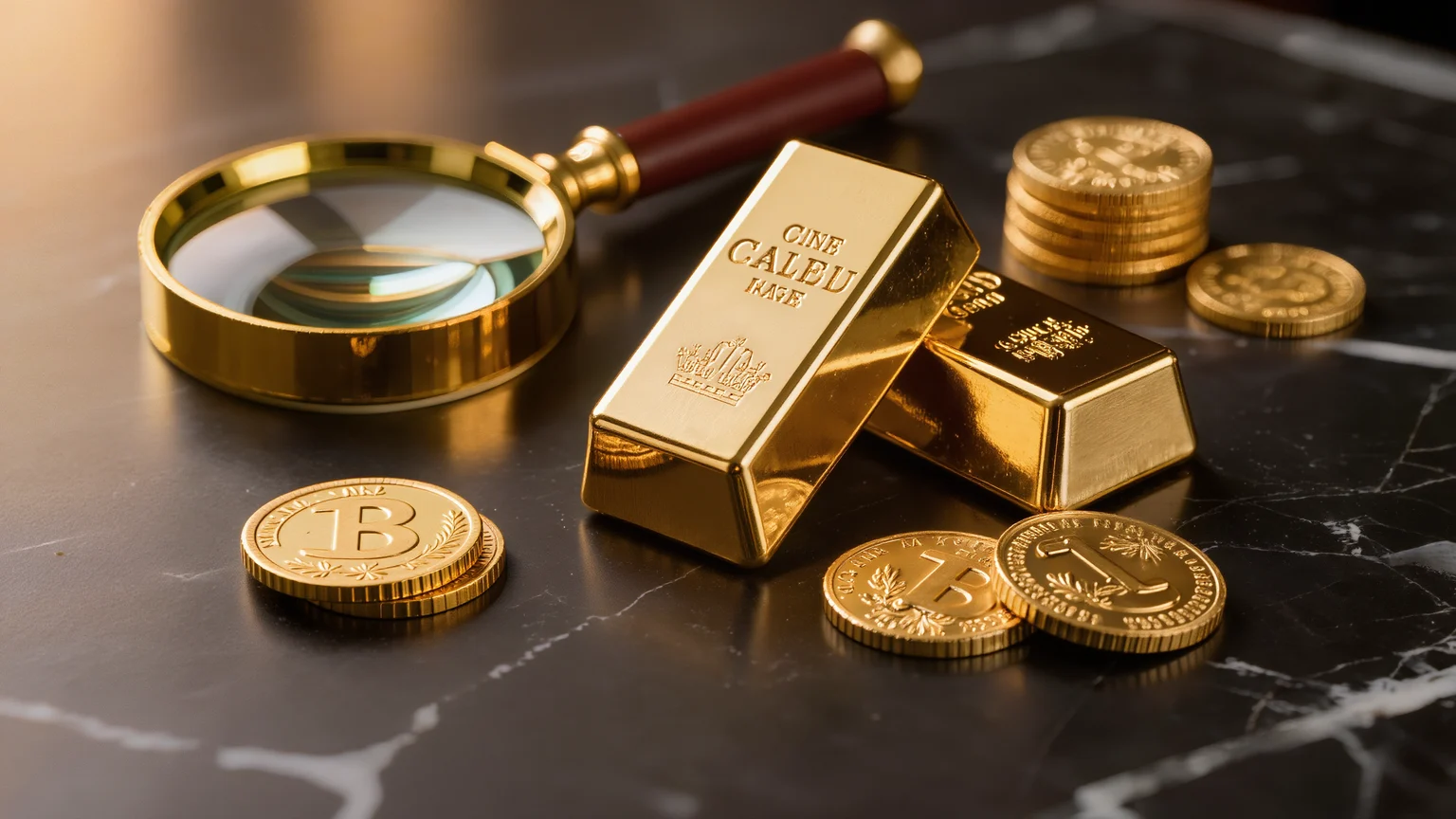

Werfen wir einen Blick auf die faszinierende Geschichte des Goldes. Es begleitet die Menschheit seit sehr langer Zeit, und ein Blick in seine Vergangenheit erklärt vieles darüber, warum es bis heute so bedeutsam ist. Die folgenden Abschnitte zeigen einige besonders spannende historische Fakten.
1. Die Anfänge des Goldes: Gefunden, nicht hergestellt
Die Geschichte des Goldes beginnt nicht damit, dass Menschen es herstellen, sondern damit, dass sie es finden. Gold gehört zu den seltenen Metallen, die in der Natur bereits in relativ reiner, verwertbarer Form vorkommen.
Frühe Entdeckungen
- Herkunft: Über den Großteil der Menschheitsgeschichte hinweg fand man Gold in Flussbetten und Bächen, in Form winziger Nuggets oder Flocken. Dieses „Waschgold" ließ sich weit einfacher gewinnen als der Abbau tief unter der Erde.
- Frühe Kulturen: Zivilisationen wie Mesopotamien, Ägypten und die Industalkultur gehörten zu den Ersten, die Gold entdeckten und nutzten, vermutlich bereits um 5.000 vor Christus. Sie schätzten seinen glänzenden Auftritt und seine Korrosionsbeständigkeit: Anders als andere Metalle lief es nicht an und rostete nicht.
2. Gold und die Götter: Eine göttliche Verbindung
Schon früh galt Gold nicht nur als hübsches Metall, es wurde mit dem Göttlichen, dem Heiligen und dem Mächtigen in Verbindung gebracht. Dieser Status festigte seinen Wert über alle Kulturen hinweg.
Heilige Bedeutungen
- Sonnenkult: In vielen antiken Kulturen machte der strahlende, unveränderliche Glanz des Goldes es zu einem natürlichen Symbol des Sonnengottes. Die Ägypter etwa glaubten, das Fleisch des Pharaos bestehe aus Gold.
- Unsterblichkeit und Göttlichkeit: Seine Unvergänglichkeit spiegelte die erwünschten Eigenschaften der Götter und des ewigen Lebens wider. Deshalb wurde so viel Gold für religiöse Artefakte, Grabbeigaben und die Insignien von Priestern und Herrschern verwendet.
- Rituelle Verwendung: Gold fand sich in zeremoniellen Gefäßen und Räuchergefäßen ebenso wie in Götterstatuen und Tempelschmuck. Seine Anwesenheit stand für Reinheit und göttliche Gunst.
3. Gold als Zahlungsmittel: Vom Tauschhandel zur Bank
Anfangs wurde Gold vor allem für Schmuck und religiöse Zwecke geschätzt, doch seine einzigartigen Eigenschaften machten es bald zum idealen Kandidaten für frühe Formen des Geldes.
Die Geburt der Münzprägung
- Die Lyder als Vorreiter: Die ersten standardisierten Goldmünzen werden meist den Lydern zugeschrieben, einem antiken Königreich im Gebiet der heutigen Türkei, etwa im 7. Jahrhundert vor Christus. Sie bestanden aus Elektron, einer natürlichen Legierung aus Gold und Silber.
- Standardisierung und Vertrauen: Vor der Einführung von Münzen mussten Menschen Gold bei jeder Transaktion wiegen und auf seinen Feingehalt prüfen. Münzen mit staatlich garantiertem Gewicht und Feingehalt vereinfachten den Handel erheblich und schufen Vertrauen. Das war ein gewaltiger Fortschritt für die Volkswirtschaften.
- Die Verbreitung der Münzen: Die Idee der Münzprägung verbreitete sich rasch. Die antiken Griechen übernahmen sie, und die Römer perfektionierten sie mit Münzen wie dem Aureus, geprägt aus einer festgelegten Menge reinen Goldes. Diese Münzen wurden zum Rückgrat des Handels in weiten Teilen ganzer Reiche.
4. Die Anziehungskraft des Goldes: Macht, Prestige und Imperien
Gold war stets ein Symbol für Macht und Reichtum, und Nationen haben in seiner Verfolgung Kriege geführt, Länder erkundet und Reiche errichtet.
Die Jagd nach Gold
- Spanisches Weltreich: Die spanische Eroberung Amerikas im 16. Jahrhundert wurde maßgeblich von der Gier nach Gold angetrieben. Die gewaltigen Reichtümer, die aus Regionen wie dem heutigen Mexiko und Peru gewonnen wurden, finanzierten das spanische Weltreich und veränderten die Weltwirtschaft grundlegend.
- Das Phänomen der Goldrausch-Bewegungen: Im Laufe der Geschichte haben große Goldräusche Gesellschaften und Bevölkerungsstrukturen umgeformt. Der Goldrausch in Kalifornien (1848 bis 1855) und der Klondike-Goldrausch (1896 bis 1899) sind klassische Beispiele: Millionen Menschen zogen auf der Suche nach Reichtum in entlegene Gebiete und ließen neue Städte und Infrastrukturen entstehen.
- Koloniale Expansion: Der Wunsch nach Gold spielte eine bedeutende Rolle bei der europäischen Erkundung und Kolonisierung weltweit. Er war ein Hauptantrieb für viele Entdeckungsreisen.
5. Der Goldstandard: Ein globales System
Über einen längeren Zeitraum hinweg war Gold nicht nur wertvoll, es bildete das Fundament des globalen Finanzsystems.
Eine Welt auf Goldbasis
- Was war das? Der Goldstandard war ein Währungssystem, bei dem die Währung eines Landes direkt an eine feste Goldmenge gekoppelt war. Papiergeld konnte zu diesem festen Kurs in Gold eingetauscht werden.
- Stabilität und Grenzen: Er sorgte für ein gewisses Maß an Währungsstabilität und Vorhersehbarkeit im internationalen Handel. Gleichzeitig bedeutete er, dass die Geldmenge eines Landes durch seine Goldreserven begrenzt war, was das Wirtschaftswachstum mitunter hemmen konnte.
- Aufstieg und Ende: Der Goldstandard setzte sich im späten 19. und frühen 20. Jahrhundert weitgehend durch. Der wirtschaftliche Druck des Ersten Weltkriegs und der Weltwirtschaftskrise führte jedoch zu seiner schrittweisen Aufgabe. Die USA gehörten zu den letzten großen Ländern, die ihre Währung Anfang der 1970er Jahre vollständig vom Gold lösten.
6. Gold und Alchemie: Die mystische Suche
Vor der modernen Chemie gab es die Alchemie, eine Praxis, die tief in Philosophie und Mystik verwurzelt war, und Gold war ihr höchstes Ziel.
Das große Werk
- Der unerreichbare Stein der Weisen: Alchemisten über Jahrhunderte und Kulturen hinweg waren besessen von der Idee, „unedle" Metalle wie Blei in Gold zu verwandeln. Sie glaubten, der Stein der Weisen sei der Schlüssel zu dieser Verwandlung.
- Mehr als nur ein Metall: Für Alchemisten stand Gold ebenso für Reinheit, Vollkommenheit und geistige Erleuchtung wie für ein greifbares Metall. Der Versuch, Gold herzustellen, galt als Sinnbild für die spirituelle Läuterung.
- Unbeabsichtigte Entdeckungen: Auch wenn sie ihr eigentliches Ziel nie erreichten, legten die Experimente der Alchemisten den Grundstein für die moderne Chemie. Sie entwickelten neue Labortechniken, entdeckten neue Elemente und verfeinerten Verfahren zur Trennung und Reinigung von Stoffen und trugen so direkt zum wissenschaftlichen Fortschritt bei.
7. Gold in Kunst und Architektur: Ein glänzendes Erbe
Über seine monetäre und religiöse Bedeutung hinaus schmückt Gold unzählige Kunstwerke und architektonische Meisterwerke und verleiht ihnen Glanz und Beständigkeit.
Strahlende Meisterwerke
- Byzantinische Mosaiken: Die beeindruckenden Mosaiken byzantinischer Kirchen wie der Hagia Sophia und der Markusbasilika in Venedig sind für ihren umfangreichen Einsatz von Blattgold bekannt. Es reflektiert das Licht auf eindrucksvolle Weise und erzeugt eine ätherische, sakrale Atmosphäre.
- Illuminierte Handschriften: Im Mittelalter wurden viele religiöse Texte und bedeutende Handschriften mit Blattgold und Farbe „illuminiert". Das steigerte nicht nur die optische Wirkung, sondern symbolisierte auch die Heiligkeit des Textes.
- Vergoldete Statuen und Gegenstände: Von altägyptischen Sarkophagen über Renaissanceskulpturen bis hin zu barocken Möbeln wurde Blattgold verwendet, um zahllose Objekte zu vergolden und ihre Schönheit, ihren wahrgenommenen Wert und ihre Haltbarkeit zu steigern.
- Moderne Anwendungen: Auch heute wird Gold in hochwertiger dekorativer Kunst, in der Mode und sogar in Elementen moderner Architektur eingesetzt, wegen seiner einzigartigen Optik und seiner Beständigkeit gegen Anlaufen.
8. Industrielle und medizinische Anwendungen von Gold: Mehr als Schmuck
Meist denkt man bei Gold an Schmuck oder Anlagegold, doch seine besonderen Eigenschaften machen es überraschend nützlich in verschiedenen modernen Hightech-Bereichen.
Unerwartete Anwendungsbereiche
- Elektronik: Gold ist ein ausgezeichneter Stromleiter und korrodiert, was entscheidend ist, nicht. Deshalb kommt es in elektrischen Steckverbindern, Schaltern und Kontakten von Computern, Smartphones und anderen empfindlichen elektronischen Geräten zum Einsatz, bei denen Zuverlässigkeit oberste Priorität hat.
- Medizin: Goldverbindungen werden seit Jahrzehnten zur Behandlung entzündlicher Erkrankungen wie rheumatoider Arthritis eingesetzt. Gold findet sich außerdem in Diagnosewerkzeugen, bestimmten Formen der Strahlentherapie und in der Entwicklung von Systemen zur gezielten Medikamentenabgabe.
- Raumfahrt: Die Hitzeschilde der Apollo-Missionen und die reflektierenden Beschichtungen von Raumschifffenstern nutzen häufig Gold. Seine Fähigkeit, Infrarotstrahlung zu reflektieren, hilft dabei, die Temperatur unter extremen Bedingungen zu regulieren.
- Zahnmedizin: Seit Jahrhunderten wird Gold für Zahnfüllungen und Kronen verwendet, dank seiner Bioverträglichkeit, Haltbarkeit und Korrosionsbeständigkeit.
9. Gold und Symbolik: Eine universelle Sprache
Über Kulturen und Zeitalter hinweg trägt Gold beständige Bedeutungen, die die Menschheit tief berühren.
Die beständige Metapher
- Reichtum und Wohlstand: Das ist wohl die naheliegendste Bedeutung. Gold gilt weltweit als Symbol für großen Reichtum, Erfolg und Wohlstand.
- Exzellenz und Leistung: Noch heute spricht man von „Goldmedaillengewinnern", vom „Goldstandard" einer Arbeit oder von „goldenen Gelegenheiten". Gold steht für die höchste Stufe der Leistung.
- Wert und Beständigkeit: Seine Unvergänglichkeit macht es zum Symbol für dauerhaften Wert, beständige Liebe und zeitlose Qualität, man denke an die „goldene Hochzeit".
- Reinheit und Erleuchtung: Diese uralte Assoziation besteht bis heute. In spirituellen Zusammenhängen steht Gold häufig für Reinheit des Geistes, göttliche Gegenwart oder geistige Klarheit.
10. Die Zukunft des Goldes: Nach Jahrtausenden noch immer relevant
Obwohl es seit Jahrtausenden entdeckt und genutzt wird, besitzt Gold auch in der modernen Welt weiterhin großen Einfluss.
Seine Position behauptet
- Investment und sicherer Hafen: Gold ist nach wie vor ein bedeutendes Anlageinstrument, besonders in Zeiten wirtschaftlicher Unsicherheit oder Inflation. Seine wahrgenommene Stabilität macht es zu einem „sicheren Hafen", dem sich Anleger zuwenden, wenn andere Märkte schwanken.
- Zentralbankreserven: Zentralbanken weltweit halten nach wie vor gewaltige Goldmengen als Teil ihrer Währungsreserven, ein Beleg für seine dauerhafte Wertaufbewahrungsfunktion.
- Technologische Nachfrage: Wie bereits erwähnt, wachsen die industriellen und medizinischen Anwendungen weiter und schaffen neue Nachfragequellen jenseits der traditionellen Nutzung.
- Kulturelle Bedeutung: Die ursprüngliche Faszination für seinen Glanz sowie seine tiefen historischen und kulturellen Verbindungen sorgen dafür, dass Gold auch weiterhin wegen seiner Schönheit und seiner Symbolik bewundert und begehrt sein wird.
Häufige Fragen
Welche historischen Fakten gibt es über Gold?
1. Gold wird seit Jahrtausenden als Zahlungsmittel und im Handel verwendet, zurückgehend bis zu antiken Zivilisationen wie den Ägyptern und den Griechen. 2. Die ersten Goldmünzen wurden in Lydien geprägt, einem Königreich im Gebiet der heutigen Türkei, um etwa 600 vor Christus. 3. Der kalifornische Goldrausch Mitte des 19. Jahrhunderts führte zu einem gewaltigen Zustrom von Menschen auf der Suche nach Reichtum und prägte die Entwicklung des amerikanischen Westens. 4. Während der Weltwirtschaftskrise erhöhte die US-Regierung den Goldpreis, wertete damit den Dollar faktisch ab und kurbelte die wirtschaftliche Erholung an. 5. Gold spielte bis in die 1970er Jahre eine bedeutende Rolle im internationalen Währungssystem, bis die Vereinigten Staaten den Goldstandard aufgaben.Wie wurde Gold im Laufe der Geschichte verwendet?
1. Gold wird seit der Antike für Schmuck und Zierde verwendet, kunstvoller Goldschmuck wurde an archäologischen Fundstätten auf der ganzen Welt entdeckt. 2. Viele antike Kulturen nutzten Gold in religiösen Zeremonien und Ritualen und fertigten daraus oft aufwendige religiöse Artefakte und Tempelschmuck. 3. Gold wurde in Kunst und Architektur eingesetzt, viele berühmte Gebäude und Monumente sind mit Blattgold oder Goldauflagen verziert. 4. Gold fand Verwendung in der Medizin, manche Kulturen glaubten an seine heilenden Eigenschaften und setzten es in verschiedenen Heilmitteln und Behandlungen ein. 5. Gold wird in der Technik verwendet, insbesondere in der Elektronik und Raumfahrt, dank seiner ausgezeichneten Leitfähigkeit und Korrosionsbeständigkeit.Welchen Einfluss hatte Gold auf Wirtschaft und Gesellschaft?
1. Die Entdeckung von Gold führte zu bedeutenden Bevölkerungsverschiebungen und zur raschen Entwicklung von Städten und Gemeinden, wie es bei den verschiedenen Goldräuschen der Geschichte zu beobachten war. 2. Gold war ein Symbol für Reichtum und Macht, das Herrscher und Monarchen oft nutzten, um ihren Prunk und ihre Autorität zur Schau zu stellen. 3. Der Goldstandard, bei dem der Wert der Währung eines Landes direkt an eine bestimmte Goldmenge gekoppelt ist, hatte tiefgreifende Auswirkungen auf den globalen Handel und die Finanzwelt. 4. Gold war Anlass für Konflikte und Eroberungen, zahlreiche Kriege wurden um die Kontrolle goldreicher Gebiete und Ressourcen geführt. 5. Der Abbau und die Gewinnung von Gold hatten ökologische und soziale Auswirkungen, darunter Entwaldung, Umweltverschmutzung und die Vertreibung indigener Gemeinschaften.Welche interessanten historischen Verwendungen von Gold gibt es?
1. Die alten Ägypter fertigten aus Gold kunstvolle Totenmasken für ihre Pharaonen, wie die berühmte Maske Tutanchamuns. 2. Die Inka Südamerikas schufen aufwendige goldene Artefakte, darunter Schmuck, Zeremonienobjekte und sogar ganze Räume, die mit Gold verziert waren. 3. Die Römer verwendeten Gold für ihre Münzen, wobei der Aureus die Standardgoldmünze des Römischen Reiches war. 4. Im Mittelalter gaben europäische Monarchen und Adlige aufwendige Goldschmiedearbeiten in Auftrag, darunter Kronen, Zepter und religiöse Reliquien. 5. Die spanischen Konquistadoren plünderten gewaltige Goldmengen aus Amerika, was zu einem erheblichen Goldzufluss nach Europa führte und den globalen Handel und die Finanzwelt prägte.Wie haben sich Wert und Wahrnehmung von Gold im Laufe der Zeit entwickelt?
1. Gold wurde im Laufe der Geschichte für seine Seltenheit, Haltbarkeit und Schönheit geschätzt, was es zu einem begehrten Gut und Statussymbol machte. 2. Der Goldstandard, der den Wert einer Währung an eine bestimmte Goldmenge koppelte, war bis ins 20. Jahrhundert weit verbreitet, bis ihn die meisten Länder aufgaben. 3. Gold diente als Absicherung gegen Inflation und wirtschaftliche Unsicherheit, viele Anleger wandten sich in Krisenzeiten dem Gold als sicherem Hafen zu. 4. Die Entwicklung moderner Abbautechniken und Technologien führte zu einer gesteigerten Goldproduktion und besseren Verfügbarkeit, was seinen wahrgenommenen Wert und die Marktdynamik beeinflusste. 5. Gold bleibt ein weithin gehandeltes Gut und Anlagegut, dessen Preis von verschiedenen Faktoren wie Angebot und Nachfrage, geopolitischen Ereignissen und geldpolitischen Entscheidungen beeinflusst wird.Mehr aus Blog
7 Fehler, die Anfänger beim Goldkauf vermeiden sollten
Sie überlegen, in die Welt des Goldbesitzes einzusteigen? Eine kluge Entscheidung. Gold gilt seit jeher aus gutem Grund als verlässliches…
10 Dinge, die Sie vor dem Kauf von Goldbarren wissen sollten
Sie überlegen also, in die Welt der Goldbarren einzusteigen? Eine kluge Entscheidung: Gold ist ein greifbarer Vermögenswert, ein klassisches Mittel…
8 Vorteile von physischem Gold gegenüber Papiergold
Vermutlich fragen Sie sich, worin der eigentliche Unterschied zwischen physischem Gold und all den digitalen und papierbasierten Alternativen…