10 Luxusmarken und ihre Verbindung zu Gold
Gold has long been intertwined with luxury brands, not just as a precious material in their products, but also as a symbol of their inherent value, heritage, and exclusivity. From …
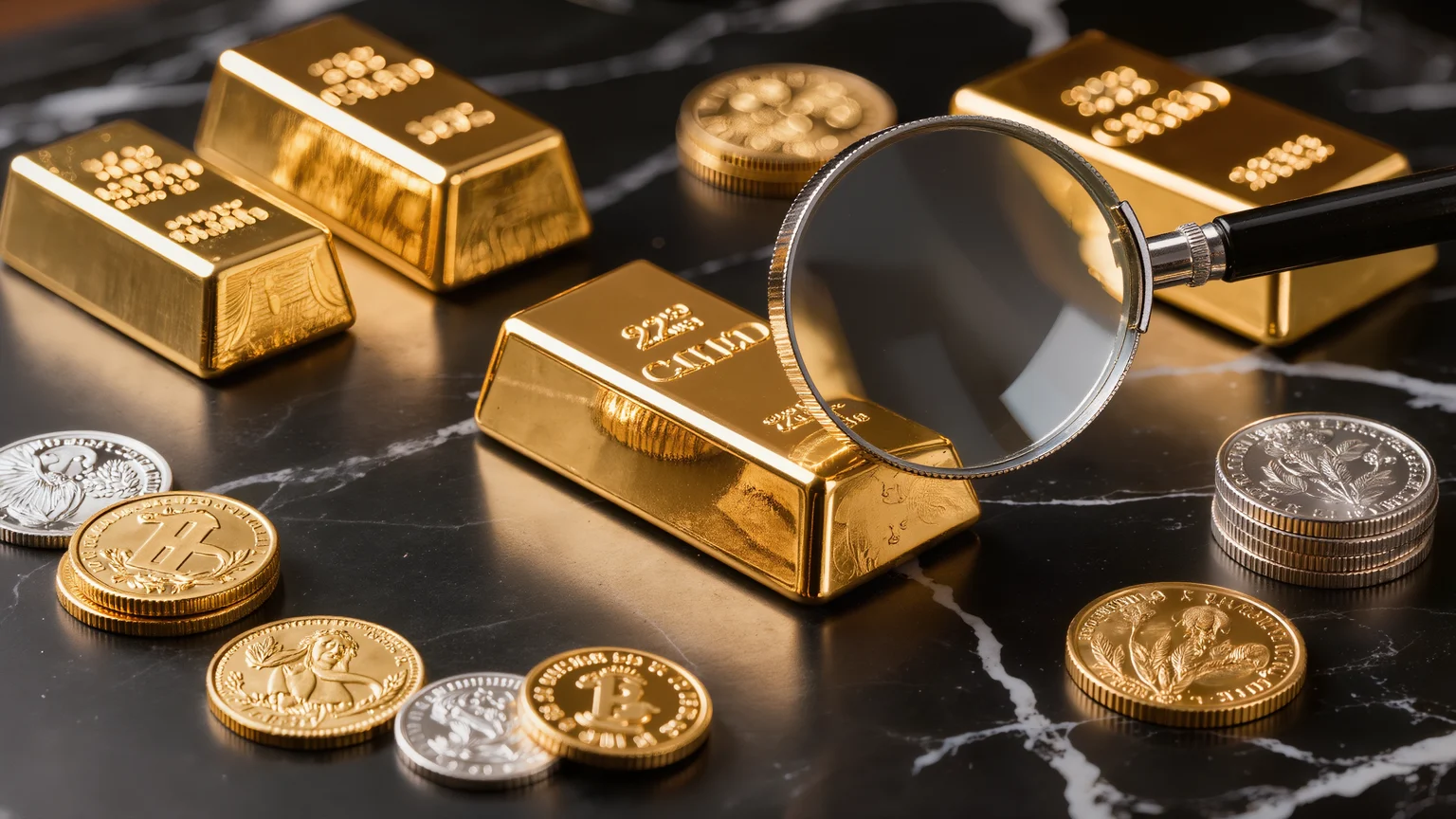
Gold has long been intertwined with luxury brands, not just as a precious material in their products, but also as a symbol of their inherent value, heritage, and exclusivity. From the gleam of an 18k watch casing to the subtle gold leaf on a perfume bottle, its presence is a powerful statement. This list explores ten such luxury brands and their multifaceted relationships with this enduring metal.
Rolex and gold are practically synonymous. Beyond the obvious material value, gold in a Rolex timepiece signifies unparalleled craftsmanship, enduring quality, and a timeless aesthetic.
Material Integrity and Craftsmanship
Rolex isn’t just using any gold; they’re creating their own. Their proprietary foundries produce various gold alloys, ensuring consistent quality and unique shades. This includes the classic Yellow Gold, the ever-popular Everose Gold (Rolex’s patented pink gold alloy, known for its enduring color), and the pristine White Gold. This in-house production gives them complete control over the metal’s purity and characteristics, a testament to their dedication to quality.
Iconic Models and Their Golden Renditions
Certain Rolex models are almost unthinkable without their golden counterparts. The Day-Date, for instance, is often referred to as the „President’s Watch“ and has historically been exclusively crafted in precious metals, with gold versions being highly sought after. Similarly, the Submariner and Daytona, while famous in steel, reach another level of opulence and collectibility in their gold iterations, especially with diamond or gemstone embellishments. These gold models are not just watches; they are investments and status symbols.
The Allure of Gold in Second-Hand Markets
The desirability of gold Rolex watches extends well into the secondary market. A vintage gold Rolex can command significant prices, not only due to its intrinsic material worth but also its historical significance, rarity, and the brand’s enduring appeal. This reinforces gold’s role as a tangible asset within the luxury sphere.
2. Cartier: The Goldsmith of Kings
Cartier’s history is deeply rooted in exquisite jewelry and watchmaking, with gold playing a pivotal role in crafting pieces that have adorned royalty and celebrities for over a century.
Historic Royal Commissions
From the moment King Edward VII of England referred to Louis Cartier as „the jeweler of kings and the king of jewelers,“ the brand’s association with royalty was solidified. Many of these commissions involved intricate gold work, often set with diamonds and other precious stones, showcasing the pinnacle of design and artistry. The famous „Panthère“ collection, for example, frequently features intricately sculpted gold.
The Trinity Ring and Its Golden Symbolism
Perhaps one of Cartier’s most recognizable pieces is the Trinity Ring, composed of three interlocking bands of yellow, white, and rose gold. Each color represents a concept: yellow gold for fidelity, white gold for friendship, and rose gold for love. This piece perfectly encapsulates how Cartier uses different gold alloys not just for aesthetic variation, but to imbue their creations with deeper meaning and symbolism.
Modern Designs and Gold’s Enduring Presence
Even in their contemporary collections, such as the Love bracelet or Juste un Clou, gold remains a central material. These pieces, despite their modern design, carry the weight of Cartier’s legacy and the timeless appeal of gold, making them instantly recognizable and highly coveted. The various gold finishes, polished, satin, or brushed, further demonstrate Cartier’s mastery of the metal.
3. Louis Vuitton: A Touch of Gilded Glamour
While Louis Vuitton is primarily known for its leather goods, gold finds its way into their designs in subtle yet significant ways, elevating their accessories and adding a layer of luxury.
Hardware as a Signature
Most Louis Vuitton bags and accessories feature gold-finished hardware, from zippers and clasps to buckles and locks. This isn’t just about functionality; it’s a critical part of the brand’s aesthetic. The specific tone and finish of the gold hardware instantly identify a piece as Louis Vuitton, adding to its recognizability and perceived value. Small details like these make a big difference in a luxury product.
Fine Jewelry and Watchmaking Ventures
While leather goods are their bread and butter, Louis Vuitton has also successfully ventured into fine jewelry and watchmaking. Here, gold takes center stage. Their jewelry collections often incorporate their iconic monogram motif into intricate gold designs, sometimes set with diamonds. These ventures allow the brand to fully embrace gold as a primary material, showcasing a different facet of their design capabilities.
Artistic Collaborations and Limited Editions
In certain highly exclusive artistic collaborations or limited-edition pieces, Louis Vuitton might incorporate more explicit gold elements, such as gold leaf accents on trunks or specially designed gold-plated details. These instances highlight gold’s ability to transform an already luxurious item into a truly unique and collectible work of art.
4. Hermès: Understated Elegance with a Gilded Edge
Hermès embodies understated luxury, where the quality of materials and craftsmanship speaks volumes. Gold, while not always overtly flashy, plays a crucial role in accentuating this elegance.
Hardware on Iconic Bags
Much like Louis Vuitton, the gold-plated hardware on Hermès‘ iconic bags, think the Birkin or Kelly, is a significant component of their appeal. The heavy, polished gold-tone metal, from the clochette to the turn-lock closure, contributes to the bag’s substantial feel and luxurious appearance. The quality of this hardware is meticulously maintained, ensuring it endures as long as the leather itself.
Fine Jewelry and the Art of Gold
Hermès also boasts a stunning fine jewelry line where gold is a primary material. Their designs often draw inspiration from equestrian themes or the brand’s heritage, translating them into elegant gold pieces. The „Chaîne d’Ancre“ motif, for instance, finds new life in various gold forms, from delicate bracelets to bold necklaces, demonstrating gold’s versatility in their hands.
Scarves and Perfumes: Subtle Golden Touches
Even in their silk scarves, you might find designs featuring gold patterns or outlines, adding a shimmering effect. In their fragrance bottles, golden caps, atomizers, or intricate golden branding are common, signifying the preciousness of the contents within and providing a tactile element of luxury. These subtle touches reinforce the brand’s commitment to thoughtful design in every product category.
5. Patek Philippe: The Art of Golden Complications
Patek Philippe watches are not just timepieces; they are intricate works of horological art, and gold is frequently the material of choice for housing these mechanical marvels.
The Choice for Grand Complications
When Patek Philippe creates a grand complication: a watch featuring multiple advanced functions like perpetual calendars, minute repeaters, or tourbillons, it is almost always encased in precious metal, with gold being a prevalent option. This choice reflects the immense value, complexity, and artistry encapsulated within the movement, a fitting home for such a masterpiece.
The Calatrava and Its Golden Proportions
The Calatrava, Patek Philippe’s quintessential dress watch, is often presented in various gold alloys. Its clean lines and elegant simplicity are perfectly complemented by the warmth and luster of gold. The marriage of refined design and precious metal creates a timeless aesthetic that appeals to discerning collectors.
Legacy and Investment Value
Patek Philippe watches, particularly those in gold, are known for their exceptional investment value. Their rarity, uncompromising quality, and the brand’s rich heritage ensure that these golden timepieces often appreciate in value over time, further solidifying gold’s role beyond mere aesthetics, connecting it to tangible wealth preservation.
6. Bulgari: Roman Grandeur in Gold
Bulgari’s designs are bold, vibrant, and highly sculptural, drawing heavily from Roman and Greek antiquity. Gold is intrinsic to translating this opulent vision into wearable art.
Serpenti Collection: A Golden Icon
The iconic Serpenti collection is perhaps the most striking example of Bulgari’s use of gold. The flexible, coiled designs, often in rose or yellow gold, mimic a serpent’s scales, intricately crafted and sometimes set with diamonds or colored gemstones for the serpent’s „eyes.“ This collection perfectly showcases Bulgari’s mastery of gold, transforming it into dynamic, sensuous forms.
Ancient Roman Inspirations
Bulgari’s „Monete“ collection, which features real ancient coins set into gold bezels, directly links the brand to historical wealth and artistry. This concept highlights gold’s enduring status as a symbol of value throughout millennia, bridging the past with contemporary luxury. Their bold gold chains and heavy link designs often evoke the grandeur of Roman jewelry.
Craftsmanship in Diverse Gold Alloys
Bulgari is known for its ability to work with various gold alloys, often combining them within a single piece to create contrasting textures and colors. Their use of rose gold is particularly distinctive, contributing to the warm, Mediterranean aesthetic that is inherently Bulgari. This diverse approach showcases their technical prowess and design innovation.
7. Tiffany & Co.: The Gold Standard of American Jewelry
Tiffany & Co. has set a gold standard in American jewelry for nearly two centuries, with gold featuring prominently in their timeless designs and iconic pieces.
The Iconic „Return to Tiffany“ Heart Tag
While often associated with silver, the „Return to Tiffany“ collection also features pieces in various gold alloys. The famous heart tag, whether on a bracelet or necklace, takes on an elevated status when crafted in radiant gold, becoming a more significant and enduring gift. This shows how gold can recontextualize even the most recognizable designs.
Engagement Rings and Wedding Bands
Beyond diamonds, gold settings are fundamental to Tiffany’s engagement rings and wedding bands. The choice of yellow, white, or rose gold not only complements the diamond but also speaks to personal preference and style. Tiffany’s meticulous attention to crafting these gold settings ensures their durability and ability to highlight the brilliance of the stones.
Designing with Gold: Past and Present
From their historic gold brooches and intricate Victorian-era pieces to modern designs like the Tiffany T collection, gold has always been a cornerstone material. The strength and malleability of gold have allowed Tiffany’s designers to create intricate and fluid shapes, establishing a legacy of gold craftsmanship that spans generations.
8. Versace: Audacity and Opulence in Gold
Versace is synonymous with bold, opulent, and often maximalist design. Gold, with its inherent flashiness and luxurious appeal, is a perfect fit for the brand’s aesthetic.
Medusa Head and Greek Key Motifs
The iconic Medusa head and Greek Key motifs are frequently rendered in gold, whether as oversized embellishments on clothing, intricate details on accessories, or prominent features in their jewelry. These golden elements are not subtle; they are designed to make a statement, reflecting Gianni Versace’s vision of power and glamour.
Ready-to-Wear Embellishments
In Versace’s ready-to-wear collections, gold often appears as oversized buckles, chains, buttons, or embellishments, particularly on dresses, jackets, and handbags. These golden accents are integral to the brand’s aesthetic, adding a touch of rock-and-roll glamour and extravagance to their luxury garments.
Home Decor and Furnishings
Beyond fashion, Versace’s home collection extensively uses gold. Gold leaf, golden intricate patterns, and gilded statues adorn their furniture, dinnerware, and interior accessories. This demonstrates how gold’s symbolic power extends into all aspects of the Versace lifestyle, offering a complete expression of their opulent universe.
9. Montblanc: A Pen’s Golden Nib
Montblanc is best known for its exquisite writing instruments, and within this sphere, the gold nib holds a place of particular reverence, signifying craftsmanship and quality.
The Gold Nib: A Pen’s Soul
The nib of a Montblanc fountain pen is its heart and soul, and the finest models feature handcrafted gold nibs, typically 14k or 18k gold. The precious metal is chosen not just for its beauty but for its specific properties: its malleability allows it to be shaped with precision for optimal ink flow, and its resistance to corrosion ensures longevity. The intricate engraving on these gold nibs is a mark of Montblanc’s dedication to artisanal excellence.
Limited Editions and Precious Materials
For Montblanc’s highly sought-after limited edition pens, gold often extends beyond the nib to the barrel, cap, and other decorative elements. These pens are often crafted from solid gold, sometimes adorned with gemstones, transforming them into true collector’s items and high-art pieces, far beyond mere writing tools.
Beyond Pens: Jewelry and Accessories
Montblanc also offers a range of jewelry and accessories, where gold makes a natural appearance. Cufflinks, watches, and even leather goods sometimes feature gold details, carrying forward the brand’s commitment to quality materials and sophisticated design from their writing instruments to a broader lifestyle offering.
10. Gucci: A Golden Reinvention
Gucci, under various creative directions, has consistently used gold to signify luxury, heritage, and a contemporary edge, adapting its application to the prevailing aesthetic of the moment.
Horsebit and Interlocking G Hardware
From the iconic Horsebit loafers to the Marmont bags, Gucci’s gold-tone hardware is instantly recognizable. These distinctive elements, whether polished or antique-finished, serve as powerful brand identifiers, anchoring their designs in a rich history while remaining fashionable. The quality and design of this hardware are crucial to the brand’s luxurious appeal.
Modern Jewelry Collections
Gucci’s venturing into fine jewelry in recent years has seen gold take on a more central role. Their collections often reinterpret classic motifs with a playful, contemporary twist, using various gold alloys, sometimes combined with enamel or precious stones. These pieces cater to a discerning clientele looking for bold, signature jewelry.
Runway Glamour and Gilded Details
On the runway, Gucci frequently incorporates striking gold elements into its clothing and accessories. This can range from gold lamé fabrics and embroidery to bold gold jewelry and glittering accessories. These golden accents contribute to the brand’s maximalist, eclectic, and undeniably glamorous aesthetic, making a strong visual impact.
FAQs
What are some luxury brands that have a connection to gold?
Some luxury brands that have a strong connection to gold include Cartier, Tiffany & Co. Bulgari, Rolex, and Chanel.How do luxury brands incorporate gold into their products?
Luxury brands incorporate gold into their products by using it in the design and production of jewelry, watches, accessories, and even in some cases, clothing and footwear.Why is gold often associated with luxury brands?
Gold is often associated with luxury brands because of its rarity, durability, and timeless appeal. It has been a symbol of wealth and luxury for centuries and is highly valued in many cultures around the world.What is the significance of gold in the luxury industry?
Gold holds a significant place in the luxury industry as it represents exclusivity, quality, and prestige. It adds a sense of opulence and sophistication to luxury products, making them highly desirable to consumers.How does the use of gold impact the pricing of luxury products?
The use of gold in luxury products often results in higher pricing due to the precious nature of the material and the craftsmanship involved in creating gold-infused items. This contributes to the perceived value and exclusivity of the products.Mehr aus Blog
7 Fehler, die Anfänger beim Goldkauf vermeiden sollten
Alright, thinking about dipping your toes into the world of gold ownership? Smart move. Gold’s been a reliable store of value for ages, and for …
10 Dinge, die Sie vor dem Kauf von Goldbarren wissen sollten
Alright, so you’re thinking about dipping your toes into the world of gold bars. Smart move! It’s a tangible asset, a classic way to diversify, …

8 Vorteile von physischem Gold gegenüber Papiergold
You’re probably wondering what the big deal is with physical gold versus all the digital and paper options out there. Simply put, physical gold …