10 Tipps zum Vergleich von Goldpreisen
Comparing gold prices can feel a bit like decoding a secret language, but it doesn’t have to be. The quickest answer is this: always compare prices per gram or per troy ounce…
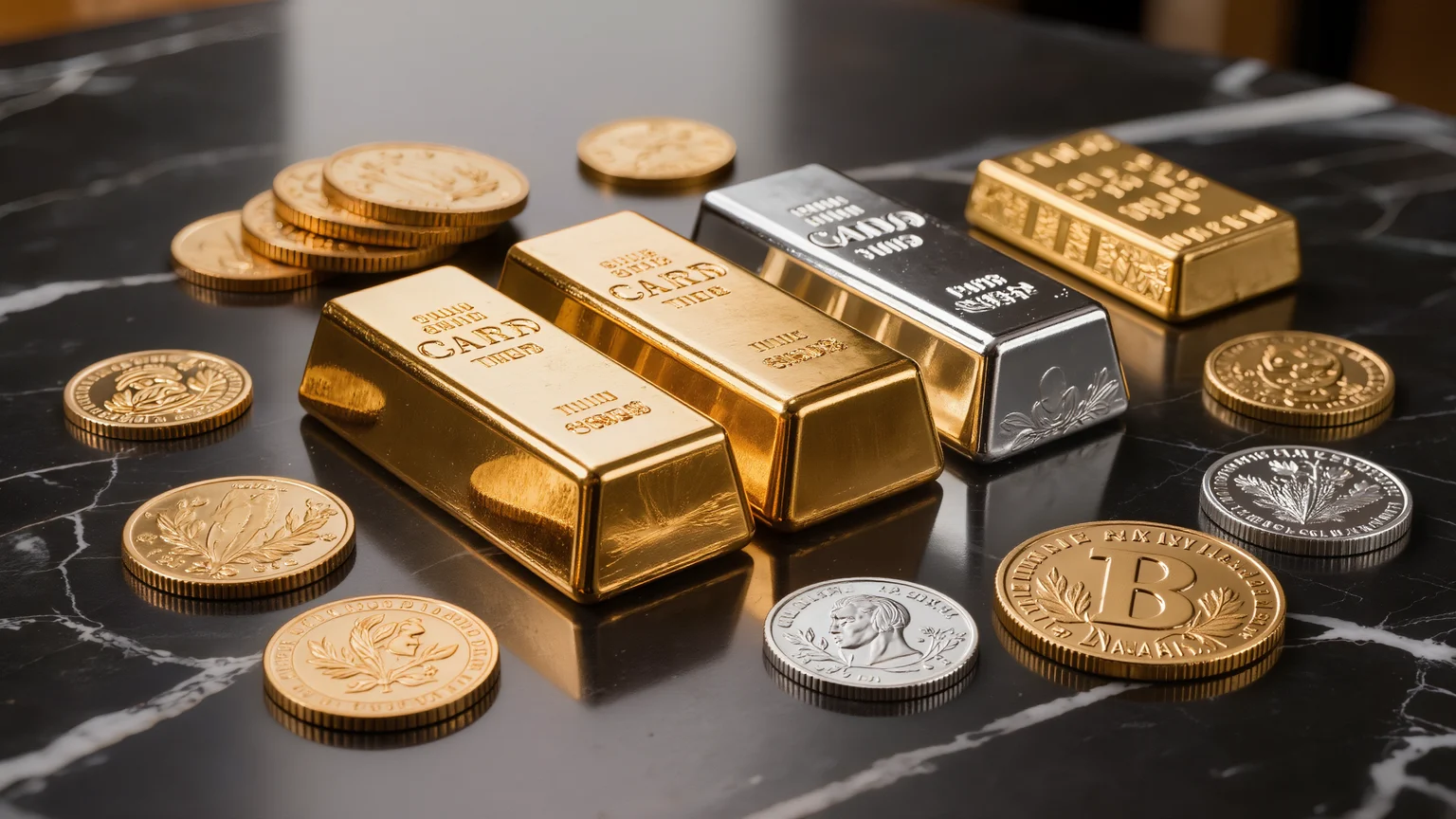
- Comparing gold prices can feel a bit like decoding a secret language, but it doesn’t have to be. The quickest answer is this: always compare prices per gram or per troy ounce (not just the total price of an item), and pay close attention to the spot price of gold as your baseline. Then, factor in premiums for fabrication and overhead. Let’s break down how to do this effectively so you make informed decisions when buying or selling.
Before you even start looking at prices, you need to understand what you’re actually comparing.
What is the Spot Price?
The spot price is the current market price at which gold can be bought or sold for immediate delivery. This is the global benchmark, influenced by supply and demand, economic indicators, and geopolitical events. Think of it as the raw material price. When you see news reports about gold prices, they’re almost always referring to the spot price.
- How it works: The spot price is constantly fluctuating throughout the trading day. It’s usually quoted in U.S. dollars per troy ounce.
- Why it matters: This is your foundation. No matter where you buy or sell gold, the price will always be directly related to the spot price. Retailers and dealers add their markup (premium) on top of this.
Common Units of Measurement
Gold isn’t sold by the pound like potatoes. Knowing the correct units is crucial.
- Troy Ounce (ozt): This is the international standard for precious metals. One troy ounce is approximately 31.1035 grams. Most professional dealers and exchanges quote in troy ounces.
- Gram (g): A more universally understood unit, especially for smaller quantities or in countries using the metric system. Many jewelry stores or smaller dealers will quote in grams.
- Kilogram (kg): Used for larger bars and institutional buying. One kilogram is 1,000 grams or approximately 32.15 troy ounces.
Practical Tip: Always convert prices to a common unit (grams or troy ounces) before comparing. If one dealer quotes a 1-ounce coin and another a 20-gram bar, you can’t compare them directly. Convert both to price per gram or price per troy ounce.
Looking Beyond the Sticker Price: Premiums and Spreads
The price you pay for gold will rarely be exactly the spot price. There are additional costs involved.
Understanding Premiums
A premium is the amount added above the spot price. This covers the dealer’s costs, such as:
- Fabrication: The cost of manufacturing the gold into a coin, bar, or piece of jewelry. Minting coins involves design, striking, and quality control.
- Overhead: Rent, utilities, insurance, security, employee salaries, and advertising for the dealer.
- Profit Margin: The dealer needs to make money to stay in business.
- Rarity/Collectibility: Some coins have numismatic value beyond their gold content due to their age, historical significance, or low mintage. This is a separate premium.
- How premiums vary:
- Size: Smaller gold items generally have higher premiums per ounce or gram. A 1-gram gold bar will have a significantly higher premium percentage-wise than a 1-kilogram bar. This is because the fabrication and overhead costs are spread over less gold.
- Type: Gold coins (especially sovereign mint coins like American Gold Eagles or Canadian Maple Leafs) often carry higher premiums than generic gold bars because of their intricate design, anti-counterfeiting features, and collectibility.
- Dealer: Different dealers have different overheads and profit margins, leading to varying premiums.
- Demand: During periods of high demand, premiums can increase as dealers capitalize on scarcity.
Deconstructing the Bid-Ask Spread
When you look at gold prices with a dealer, you’ll often see two numbers: a „bid“ price and an „ask“ price.
- Ask Price (Offer Price): This is the price at which the dealer is willing to sell gold to you. It’s the price you pay.
- Bid Price: This is the price at which the dealer is willing to buy gold from you. It’s the price you receive when selling.
The difference between the bid and ask price is called the „spread.“ This spread is another way dealers make money. A wider spread means the dealer is taking a larger cut on each transaction.
Practical Tip: When comparing prices, always compare the „ask“ price from different sellers. If you’re planning to sell, also consider the „bid“ price to understand how much you’d get back. A dealer with a small ask premium but a wide spread might not be the best option if you plan to sell back to them later.
Where to Look: Reputable Sources for Gold Prices
Knowing where to find reliable price information is half the battle.
Online Price Aggregators and Financial News Sites
These are excellent starting points for getting real-time spot prices.
- Kitco.com: Widely considered a gold standard (pun intended) for precious metals pricing. They offer real-time spot prices, charts, and news.
- Bloomberg.com / Reuters.com: Reputable financial news outlets that provide up-to-date commodity prices, including gold.
- Investing.com / GoldPrice.org: Other reliable sources for tracking spot gold prices across various currencies and units.
Practical Tip: These sites provide the spot price. Remember, the price you pay from a dealer will be higher due to premiums. Use these sites to establish your baseline.
Reputable Dealers and Bullion Retailers
Once you have the spot price, you need to compare actual retail prices.
- Large Online Bullion Dealers: Companies like JM Bullion, SD Bullion, APMEX, or Provident Metals (in the US) or similar large dealers in other countries (e.g. European Mint, Degussa in Germany) generally offer competitive pricing due to their volume and lower overhead compared to brick-and-mortar stores.
- Local Coin Shops (LCS): Your local shop can be a good option, especially for smaller purchases or if you prefer face-to-face interaction. Their prices might be slightly higher due to higher overhead, but they can offer immediate gratification and sometimes unique items.
- Mints: National mints (e.g. US Mint, Royal Canadian Mint) often sell directly to the public, though their prices might be higher than private dealers for standard bullion due to distribution agreements with authorized dealers.
Practical Tip: Don’t just check one dealer. Get quotes from at least three different reputable sources, comparing the „all-in“ price (including shipping and insurance) for the exact same item. This is where a spreadsheet comes in handy!
Identifying Red Flags and Avoiding Scams
The gold market, like any market with high value, attracts unscrupulous actors. Be vigilant.
Unusually Low Prices
If a deal seems too good to be true, it almost certainly is.
- Below Spot Price: No legitimate dealer will sell gold below the spot price. Their business model relies on making a profit above spot. If you see this, it’s a huge red flag for counterfeit goods or a scam.
- Significantly Lower Than Competitors: While some dealers might have slightly better pricing, a dramatic difference (e.g. 10-15% lower than everyone else) should trigger immediate suspicion.
Lack of Transparency
A reputable dealer should be forthright with all costs.
- Hidden Fees: Watch out for dealers who don’t clearly state shipping costs, insurance fees, or payment processing fees until late in the checkout process.
- Unclear Pricing Structure: If they can’t clearly articulate the premium over spot or the bid/ask spread, be wary.
- No Physical Address or Scant Contact Information: Legitimate businesses have a physical presence or at least clear contact details and usually a good track record.
Poor Reviews or No Online Presence
Do your homework before committing.
- Check Reviews: Look at independent review sites (e.g. Trustpilot, BBB) for feedback on customer service, delivery, and authenticity claims. Be wary of sites with only glowing reviews or a complete lack of reviews.
- Verify Authenticity: If buying from a new or unknown source, research how to verify the authenticity of the gold items they claim to sell. Reputable dealers will clearly list hallmarks, purities, and often provide certificates of authenticity.
Practical Tip: Stick with well-established, highly-rated dealers, especially for significant purchases. The small savings from an unknown source aren’t worth the risk of buying counterfeit gold or getting scammed.
Crucial Factors Beyond Just Price
While price is important, it’s not the only thing to consider.
Shipping and Insurance Costs
These can significantly impact your final price, especially for smaller orders.
- Shipping Fees: Varies by dealer, destination, and package size/weight. Some dealers offer free shipping above a certain order value.
- Insurance: Crucial for high-value items like gold. Most reputable dealers automatically include insurance in their shipping charges or offer it as an add-on. Make sure your gold is insured from their vault to your door.
- Delivery Tracking: Ensure the dealer provides robust tracking information.
Practical Tip: Always calculate the total cost delivered to your door. A dealer with a slightly higher gold price but free shipping and insurance might be cheaper than one with a lower gold price but high shipping fees.
Payment Methods and Associated Fees
How you pay can influence the price.
- Bank Wire/ACH/Check: These payment methods often have the lowest or no fees for the buyer, and dealers may offer a slightly lower price if you use them because they incur lower processing fees. However, bank wires can delay order processing until funds clear.
- Credit Cards: Convenient but often incur a 2-4% processing fee, which dealers usually pass on to the customer in the form of a higher price (or a discount for cash payments).
- Cryptocurrency: Some dealers accept crypto, which can be fast but also subject to transaction fees and price volatility.
Practical Tip: If buying a substantial amount, consider a bank wire or check to save on payment processing fees. For smaller amounts, the convenience of a credit card might outweigh the slightly higher cost.
Dealer Reputation and Customer Service
You’re entering a high-trust transaction; choose wisely.
- Longevity and Track Record: How long has the dealer been in business? Do they have a consistent history of positive customer interactions?
- Customer Support: Can you easily reach them by phone or email? Are they responsive and helpful? Do they provide clear answers to your questions about products, shipping, and returns?
- Return Policy: Understand their return or exchange policy in case there’s an issue with your order (e.g. damaged goods, incorrect item).
Practical Tip: Read reviews, but also try contacting their customer service with a simple question before placing a large order. Their responsiveness and helpfulness can tell you a lot. A well-run company usually has good customer service.
Storage Options (If Applicable)
If you’re buying a large amount, consider storage.
- Home Storage: Secure, but carries risks (theft, fire) and requires robust insurance.
- Third-Party Vaults: Professional vault services offer high security and insurance, but come with annual fees. Some dealers offer their own storage solutions.
- Safety Deposit Boxes: Bank safe deposit boxes are generally secure, but typically not insured for their contents by the bank, so you’d need separate personal insurance.
Practical Tip: Factor in the long-term costs and security implications of your chosen storage method when calculating the true cost of your gold investment.
Conclusion: Do Your Homework, Then Act
Comparing gold prices effectively boils down to detailed research and a systematic approach. Understand the spot price, factor in all premiums and fees, scrutinize dealer reputations, and prioritize security and legitimacy. By doing your due diligence, you’ll ensure you’re getting a fair deal and building your gold holdings wisely.
FAQs
What are the factors to consider when comparing gold prices?
Factors to consider when comparing gold prices include the purity of the gold, the current market price, any additional fees or charges, and the reputation of the seller.What are the different forms in which gold is available for purchase?
Gold is available for purchase in various forms including gold bars, gold coins, gold jewelry, and gold exchange-traded funds (ETFs).How can I ensure that I am getting the best deal when buying gold?
To ensure that you are getting the best deal when buying gold, it is important to compare prices from multiple reputable sources, consider the total cost including any additional fees, and be aware of the current market price of gold.What are some common mistakes to avoid when comparing gold prices?
Common mistakes to avoid when comparing gold prices include not considering the purity of the gold, overlooking additional fees or charges, and not researching the reputation of the seller.What are some tips for effectively comparing gold prices?
Some tips for effectively comparing gold prices include conducting thorough research, asking for recommendations from trusted sources, and being aware of the current market trends in the gold industry.Mehr aus Blog

7 Fehler, die Anfänger beim Goldkauf vermeiden sollten
Alright, thinking about dipping your toes into the world of gold ownership? Smart move. Gold’s been a reliable store of value for ages, and for …
10 Dinge, die Sie vor dem Kauf von Goldbarren wissen sollten
Alright, so you’re thinking about dipping your toes into the world of gold bars. Smart move! It’s a tangible asset, a classic way to diversify, …
8 Vorteile von physischem Gold gegenüber Papiergold
You’re probably wondering what the big deal is with physical gold versus all the digital and paper options out there. Simply put, physical gold …