10 Unterschiede zwischen Gold, Silber und Platin
Wer wissen möchte, was Gold, Silber und Platin tatsächlich unterscheidet, jenseits ihres bloßen Glanzes, ist hier genau richtig. Zwar sind alle drei Edelmetalle von erheblichem Wert, doch ihre…
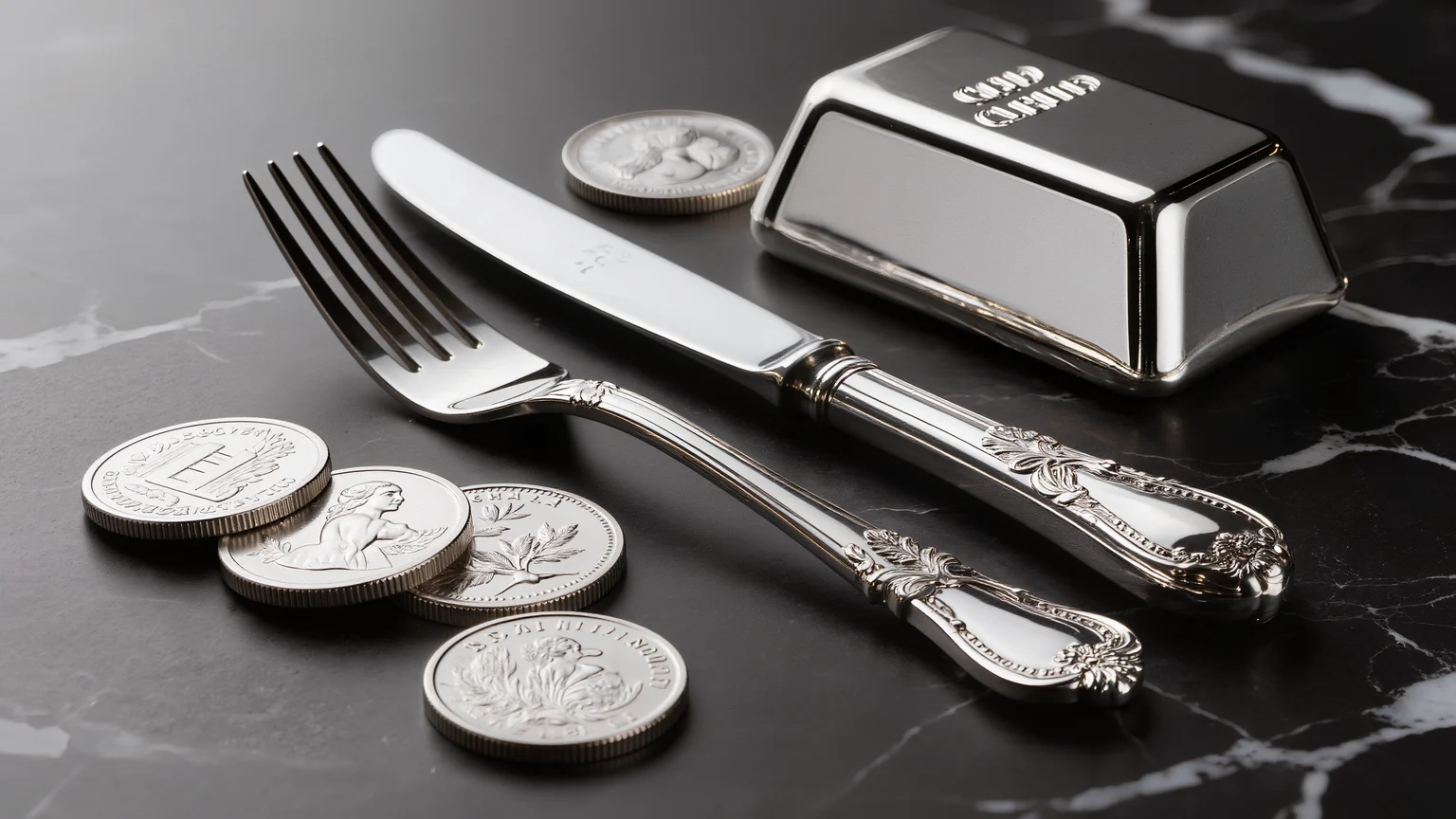

Wer wissen möchte, was Gold, Silber und Platin tatsächlich unterscheidet, jenseits ihres bloßen Glanzes, ist hier genau richtig. Zwar sind alle drei Edelmetalle von erheblichem Wert, doch ihre Eigenschaften, Verwendungszwecke und sogar ihre Wahrnehmung am Markt unterscheiden sich deutlich. Diese Unterschiede zu verstehen, ist wichtig, egal ob Sie investieren, Schmuck kaufen oder einfach nur Ihr Allgemeinwissen erweitern möchten.
1. Seltenheit und Angebot
Beginnen wir mit ihrer grundlegenden Verfügbarkeit. Diese spielt eine wesentliche Rolle für ihren Preis und ihren wahrgenommenen Wert.
Gold: relativ verbreitet, aber dennoch selten
Gold fällt zwar nicht vom Himmel, ist im Vergleich zu Platin aber häufiger. Es wird seit Jahrtausenden abgebaut, und obwohl neue Fundstellen entdeckt werden, ist der Großteil des leicht zugänglichen Goldes vermutlich bereits gefunden worden. Diese historische Verfügbarkeit hat es Gold ermöglicht, über Jahrhunderte als Währungsstandard zu dienen. Viele Nationen halten erhebliche Goldreserven, und es wird weltweit umfassend gehandelt. Sein Angebot ist zwar endlich, aber tief genug, um die reguläre Marktnachfrage ohne extreme Schwankungen durch Knappheit zu decken.
Silber: das industrielle Arbeitspferd
Silber ist das häufigste der drei Edelmetalle. Es kommt in weitaus größeren Mengen vor und wird oft als Nebenprodukt beim Abbau anderer Metalle wie Kupfer, Blei und Zink gewonnen. Diese relative Häufigkeit macht es zugänglicher und dadurch erschwinglicher. Allerdings stammt ein erheblicher Teil der Nachfrage aus industriellen Anwendungen, was zu Ungleichgewichten zwischen Angebot und Nachfrage führen kann, die den Preis stärker beeinflussen als bei Gold. Steigt die industrielle Nachfrage, steigt auch der Silberpreis.
Platin: das seltenste von allen
Platin sticht hier besonders hervor. Es ist unglaublich selten und wird nur an sehr wenigen Orten weltweit gefunden, vor allem in Südafrika und Russland. Die jährliche Fördermenge von Platin beträgt nur einen Bruchteil der von Gold, oft etwa 10 bis 15 Mal weniger. Vereinfacht ausgedrückt: Würde man alles jemals geförderte Platin sammeln, würde es in einem olympischen Schwimmbecken kaum die Knöchel bedecken, während Gold mehrere solcher Becken füllen würde. Diese extreme Knappheit ist ein wesentlicher Treiber seines in der Regel höheren Preises pro Unze, wenngleich die Marktdynamik Gold gelegentlich vorne liegen lassen kann.
2. Physikalische Eigenschaften und Merkmale
Jenseits ihrer gemeinsamen Bezeichnung als „Edelmetall“ besitzen diese Metalle jeweils eigene physikalische Merkmale, die ihre Verwendung prägen.
Gold: geschmeidig, dehnbar und reaktionsträge
Gold ist bekannt für seine außerordentliche Geschmeidigkeit und Dehnbarkeit. Das bedeutet, es lässt sich zu hauchdünnen Blättern hämmern (Blattgold) oder zu sehr feinen Drähten ziehen, ohne zu brechen. Das macht es ideal für aufwendige Schmuckdesigns und sehr feine elektrische Kontakte. Zudem ist es außergewöhnlich reaktionsträge: Es läuft nicht an, rostet nicht und korrodiert nicht, selbst bei Kontakt mit Luft, Feuchtigkeit oder den meisten Chemikalien. Diese chemische Beständigkeit ist der Grund, warum es über Jahrhunderte seinen Glanz behält und für die langfristige Lagerung sowie hochwertige Elektronik so geschätzt wird.
Silber: hoch leitfähig, aber anfällig für Anlaufen
Silber besitzt die höchste elektrische und thermische Leitfähigkeit aller Metalle. Das macht es unverzichtbar für Elektronik, Solarzellen und zahlreiche industrielle Anwendungen. Sein Schwachpunkt ist jedoch, dass es leicht anläuft. Es reagiert mit Schwefelverbindungen in der Luft zu Silbersulfid und bildet dabei jene stumpfe, dunkle Schicht, die man mit altem Silber verbindet. Poliert ist es zwar wunderschön, doch diese Reaktionsfreudigkeit bedeutet für bestimmte Anwendungen, besonders Schmuck, mehr Pflegeaufwand. Zudem ist es relativ weich und in reiner Form anfällig für Kratzer.
Platin: dicht, langlebig und hypoallergen
Platin ist außerordentlich dicht, sogar noch dichter als Gold, was ihm ein angenehmes Gewicht verleiht. Es ist zudem bemerkenswert langlebig und widerstandsfähig gegen Abnutzung. Während Gold vergleichsweise leicht Kratzer bekommt, ist Platin deutlich härter und stoßfester. Diese Langlebigkeit macht es zu einem Favoriten für Verlobungsringe und andere stark beanspruchte Schmuckstücke, da es Edelsteine sicherer hält. Entscheidend: Platin ist hypoallergen, das heißt, es löst nur selten allergische Reaktionen aus. Das macht es zu einer ausgezeichneten Wahl für empfindliche Haut, anders als manche Goldlegierungen, die Nickel enthalten.
3. Hauptverwendungen und Anwendungen
Die einzigartigen Eigenschaften jedes Metalls bestimmen, wo sie ihre wertvollsten Anwendungen finden.
Gold: Geldanlage, Schmuck und Elektronik
Golds Hauptrollen sind die als Anlageform (Wertspeicher und Absicherung gegen Inflation) und in der Schmuckherstellung. Seine natürliche Schönheit, historische Bedeutung und Reaktionsträgheit machen es ideal für Schmuck. Darüber hinaus führen seine hervorragende Leitfähigkeit und Korrosionsbeständigkeit zur Verwendung in hochwertiger Elektronik, insbesondere in Steckverbindern, Leiterplatten und spezialisierten Verkabelungen, bei denen Zuverlässigkeit entscheidend ist. Es findet auch kleinere Anwendungen in Zahnmedizin und Medizin.
Silber: Industrie, Geldanlage und Schmuck
Die industrielle Nachfrage nach Silber ist gewaltig. Seine unerreichte Leitfähigkeit macht es unverzichtbar für Solarzellen, elektrische Kontakte, Batterien, Spiegel und sogar medizinische Geräte. Es spielt zudem eine wichtige Rolle in der Fotografie (wenn auch heute weniger durch die Digitalisierung), bei der Wasseraufbereitung und als antimikrobielles Mittel. Wie Gold ist auch Silber eine beliebte Anlageform, oft als „das Gold des kleinen Mannes“ bezeichnet, und wird natürlich auch häufig in Schmuck verwendet, besonders bei Stücken, bei denen der Glanz gewünscht ist, die höheren Kosten von Gold oder Platin aber übertrieben wären.
Platin: Automobilbau, Schmuck und chemische Katalysatoren
Der mit Abstand größte industrielle Einsatz von Platin liegt in Katalysatoren für Kraftfahrzeuge, wo es hilft, schädliche Emissionen zu reduzieren. Diese Nachfrage kann mit den Autoverkäufen deutlich schwanken. Platin ist zudem ein hochgeschätztes Metall für hochwertigen Schmuck, besonders Verlobungs- und Eheringe, aufgrund seiner Langlebigkeit und seines natürlichen weißen Glanzes. Darüber hinaus sind Platin und seine verwandten Metalle (wie Palladium und Rhodium) wichtige Katalysatoren in verschiedenen chemischen Prozessen, einschließlich der Salpetersäureherstellung und der Erdölraffination. Seine Biokompatibilität führt zudem zu seiner Verwendung in medizinischen Implantaten und Herzschrittmachern.
4. Marktdynamik und Preisschwankungen
Wie diese Metalle gehandelt und von Anlegern wahrgenommen werden, kann zu recht unterschiedlichem Marktverhalten führen.
Gold: stabiler sicherer Hafen
Gold gilt oft als „sicherer Hafen“. In Zeiten wirtschaftlicher Unsicherheit, geopolitischer Instabilität oder hoher Inflation flüchten Anleger tendenziell in Gold als Wertspeicher, was den Preis nach oben treibt. Seine Preisbewegungen sind aufgrund seines tiefen Marktes und seiner etablierten Rolle im globalen Finanzwesen im Allgemeinen weniger volatil als bei Silber oder Platin. Es wird vor allem von Anlagenachfrage, Käufen der Zentralbanken und Angstfaktoren getrieben. Auch wenn sein Preis schwankt, geschieht dies im Vergleich zu anderen Rohstoffen meist mit einer gewissen Stabilität.
Silber: volatil und von doppelter Nachfrage getrieben
Silber wird oft als „Gold auf Steroiden“ bezeichnet, da sich sein Preis meist in dieselbe Richtung wie Gold bewegt, jedoch mit größerer Amplitude. Diese erhöhte Volatilität rührt von seiner doppelten Natur her: Es ist sowohl ein Währungsmetall wie Gold als auch ein bedeutender industrieller Rohstoff. Ist die industrielle Nachfrage stark, profitiert Silber. Verlangsamt sich die Wirtschaft, schwächt sich die industrielle Nachfrage ab, und Silber kann stärker einbrechen als Gold. Seine geringere Marktgröße erlaubt zudem größere Preisschwankungen, was es für manche Anleger attraktiv, für andere aber riskanter macht.
Platin: industrielle Nachfrage ist entscheidend
Der Preis von Platin wird stark von der industriellen Nachfrage beeinflusst, besonders aus der Automobilbranche. Veränderungen in der Autoproduktion oder Verschiebungen in der Fahrzeugtechnologie (etwa weg von Verbrennungsmotoren) können seinen Wert erheblich beeinflussen. Wirtschaftliche Rezessionen können die Nachfrage stark dämpfen und zu Preisrückgängen führen. Anders als Gold wird es im Allgemeinen nicht als primärer sicherer Hafen betrachtet, wenngleich seine Seltenheit ihm einen inneren Wert verleiht. Auch sein Markt ist relativ klein, was ihn anfällig für erhebliche Preisbewegungen aufgrund von Angebots- und Nachfrageverschiebungen macht.
5. Ästhetik und Gestaltungsaspekte
In Bezug auf Aussehen und Verwendung in der Gestaltung, besonders bei Schmuck, gibt es deutliche Unterschiede.
Gold: warm, klassisch und vielseitig
Golds charakteristischer warmer, gelber Farbton ist sofort erkennbar und wird seit Jahrtausenden geschätzt. Seine klassische Ausstrahlung macht es zu einer traditionellen Wahl für Schmuck, und es symbolisiert Reichtum und Prestige. In reiner Form ist es hypoallergen, doch bei Schmuck kommen oft Legierungen (wie Weißgold oder Roségold) zum Einsatz, die mitunter Reaktionen auslösen können. Seine Geschmeidigkeit ermöglicht unglaublich aufwendige und filigrane Designs. Die verschiedenen Karatangaben (24, 18, 14 Karat) geben den Feingehalt an und wirken sich direkt auf Härte, Farbintensität und Preis aus.
Silber: hell, erschwinglich und modisch
Silber besitzt einen hellen, weißen, reflektierenden Glanz, den viele ansprechend finden. Es ist eine erschwinglichere Option als Gold oder Platin und deshalb bei Modeschmuck und zugänglichen Designstücken beliebt. Seine Formbarkeit erlaubt eine breite Vielfalt an Stilen, von zarter Filigranarbeit bis zu auffälligen Statement-Stücken. Allerdings erfordert seine Neigung zum Anlaufen regelmäßige Reinigung und Politur, um seinen Glanz zu erhalten. Dieser Pflegeaufwand ist für alle relevant, die pflegeleichten Schmuck bevorzugen.
Platin: weiße, langlebige und hypoallergene Eleganz
Platins natürliche weiße Farbe ist dezent und elegant und bietet eine anspruchsvolle Alternative zu Weißgold (das aus mit weißen Metallen legiertem Gelbgold besteht und anschließend rhodiniert wird). Anders als Weißgold vergilbt Platin nicht mit der Zeit, da seine Farbe von Natur aus besteht. Es entwickelt lediglich mit der Zeit eine sanfte Patina durch Tragen, was viele als attraktiv empfinden. Seine außergewöhnliche Dichte und Langlebigkeit sorgen dafür, dass es Edelsteine unglaublich sicher hält, ein bedeutender Vorteil für wertvolle Verlobungsringe. Da es wirklich hypoallergen ist, ist es die erste Wahl für Menschen mit empfindlicher Haut.
6. Geldanlage und Vermögenserhalt
Jedes Metall bietet für Anleger, die Wert speichern oder investieren möchten, ein anderes Angebot.
Gold: langfristiger Wertspeicher
Gold ist der klassische langfristige Wertspeicher schlechthin. Es gilt seit Tausenden von Jahren als Geld und ist relativ immun gegen Inflation und Währungsabwertung. Es wirkt als Diversifikator im Portfolio und entwickelt sich oft gut, wenn andere Anlagen schwächeln. Anleger halten üblicherweise physisches Gold (Münzen, Barren) oder investieren in goldgedeckte ETFs oder Minenaktien. Seine globale Liquidität sorgt dafür, dass es sich jederzeit leicht kaufen oder verkaufen lässt.
Silber: industrielles Wachstum mit Hebelwirkung
Silber bietet einen stärker gehebelten Zugang zu Edelmetallen. Wie erwähnt bedeutet seine Volatilität höhere potenzielle Gewinne (und Verluste). Es ist zudem eng mit dem industriellen Wachstum verknüpft, weshalb Anleger, die auf technologischen Fortschritt und globale Fertigung setzen, oft zu Silber greifen. Es ist für kleinere Anlagesummen zugänglicher als Gold, doch Lagerungs- und Versicherungskosten können im Verhältnis zu seinem Wert in physischer Form relativ höher ausfallen.
Platin: eine besondere industrielle Nische
Platins Anlagepotenzial ist größtenteils an seine industrielle Nachfrage gebunden, insbesondere aus der Automobilbranche. Es gilt weniger als traditioneller „sicherer Hafen“ wie Gold, kann aber erhebliches Aufwärtspotenzial bieten, wenn industrielle Produktion und Innovation stark sind. Seine extreme Seltenheit bedeutet auch, dass jede bedeutende Angebotsstörung zu starken Preissteigerungen führen könnte. Für Anleger ist das Verständnis dieser industriellen Trends entscheidend.
7. Dichte und Gewicht
Halten Sie sie in der Hand, bemerken Sie sofort einen Unterschied.
Gold: schwerer als gedacht
Zwar nicht das dichteste Metall, doch Gold (besonders reines Gold) fühlt sich gewichtig an. Seine Dichte liegt bei etwa 19,3 Gramm pro Kubikzentimeter. Das trägt zu seinem Gefühl von Wert und Solidität bei, besonders bei Schmuck oder Anlagegold.
Silber: das leichteste der drei
Silber ist mit einer Dichte von rund 10,49 Gramm pro Kubikzentimeter spürbar leichter als Gold und Platin. Das macht bei größeren Schmuckstücken oder Dekorationsgegenständen einen praktischen Unterschied.
Platin: der schwerste Kandidat
Platin ist mit etwa 21,45 Gramm pro Kubikzentimeter das dichteste der drei Metalle. Diese außergewöhnliche Dichte verleiht Platinschmuck jenes befriedigend gewichtige Gefühl, das viele schätzen, und unterstreicht seinen Premiumstatus.
8. Feingehalt und Legierungen
Wie rein sie im üblichen Gebrauch typischerweise sind, ist unterschiedlich.
Gold: gemessen in Karat
Der Feingehalt von Gold wird in Karat angegeben. 24 Karat ist reines Gold (99,9 Prozent fein). Gängige Schmucklegierungen sind 18 Karat (75 Prozent Gold), 14 Karat (58,3 Prozent Gold) und 10 Karat (41,7 Prozent Gold). Je niedriger die Karatzahl, desto härter und günstiger, aber auch weniger rein das Gold. Die Wahl der Legierungsmetalle (Kupfer, Silber, Zink, Nickel, Palladium) bestimmt die endgültige Farbe und die Eigenschaften (etwa Weißgold, Roségold).
Silber: Sterlingsilber dominiert
Für Schmuck und Tafelsilber ist „Sterlingsilber“ der Standard. Es besteht aus 92,5 Prozent reinem Silber und 7,5 Prozent anderen Metallen, meist Kupfer. Reines Silber (99,9 Prozent fein) ist für die meisten praktischen Anwendungen zu weich. Das Kupfer macht es widerstandsfähiger, trägt aber auch zu seiner Neigung zum Anlaufen bei. Anlagesilber (Münzen, Barren) hat üblicherweise einen Feingehalt von 99,9 Prozent.
Platin: hoher Reinheitsstandard
Platinschmuck besteht im Allgemeinen aus deutlich reineren Legierungen als Gold. Übliche Feingehalte sind 95 Prozent Platin (etwa Pt950, also 95 Prozent Platin und 5 Prozent andere Platingruppenmetalle oder Kupfer) oder sogar 90 Prozent (Pt900). Dieser hohe Reinheitsgrad trägt zu seinen hypoallergenen Eigenschaften bei und stellt sicher, dass die meisten gewünschten Eigenschaften des Metalls erhalten bleiben.
9. Pflege und Wartung
Jedes Metall erfordert einen etwas anderen Pflegeansatz, um seinen besten Glanz zu bewahren.
Gold: relativ pflegeleicht
Gold, besonders mit höherer Karatzahl, ist recht pflegeleicht, da es nicht anläuft. Eine einfache Reinigung mit milder Seife und Wasser oder einem speziellen Schmuckreiniger genügt in der Regel, um seinen Glanz zu erhalten. Vermeiden Sie scharfe Chemikalien und scheuernde Tücher. Weißgold benötigt möglicherweise alle paar Jahre eine erneute Rhodinierung, um seinen strahlend weißen Ton wiederherzustellen, falls es einen gelblichen Schimmer zeigt.
Silber: regelmäßige Reinigung ist entscheidend
Aufgrund seiner Neigung zum Anlaufen braucht Silber häufigere Reinigung. Silberputzmittel und spezielle Tücher können Anlaufschichten entfernen und den Glanz wiederherstellen. Die Aufbewahrung von Silber in luftdichten Beuteln oder mit Anlaufschutzstreifen kann den Prozess des Anlaufens verlangsamen. Vermeiden Sie es, Silber in Kontakt mit starken Chemikalien oder gechlortem Wasser zu tragen.
Platin: langlebig, pflegeleicht, mit Patina
Platin ist bekanntermaßen pflegeleicht. Zwar kann es mit der Zeit eine sanfte, seidige „Patina“ entwickeln (da sich winzige Kratzer ansammeln), doch viele mögen diesen besonderen Look. Es lässt sich mit milder Seife und Wasser einfach reinigen. Anders als bei Gold wird das Metall bei einem Kratzer lediglich verschoben, nicht verloren, was ebenfalls für seine Langlebigkeit spricht. Eine professionelle Politur kann bei Bedarf jederzeit den ursprünglichen, hohen Glanz zurückbringen.
10. Historische und kulturelle Bedeutung
Auch ihre Rollen im Laufe der Geschichte und in verschiedenen Kulturen unterscheiden sie voneinander.
Gold: ewiges Symbol für Reichtum und Göttlichkeit
Gold wurde von nahezu jeder Zivilisation für seine Schönheit, Seltenheit und Unvergänglichkeit verehrt. Es symbolisierte Reichtum, Macht und Göttlichkeit und wurde in königlichen Artefakten, religiösen Ikonen und als Währung verwendet. Seine universelle Anziehungskraft als Wertspeicher ist tief in der menschlichen Geschichte und Kultur verwurzelt.
Silber: der kleinere Bruder, aber dennoch bedeutend
Silber spielte gegenüber Gold oft eine untergeordnete Rolle, war aber als Münzgeld, Tafelsilber und Dekorationsgegenstand immens wichtig. In verschiedenen Mythologien wird es mit Mond, Reinheit und Licht in Verbindung gebracht. Seine Erschwinglichkeit im Vergleich zu Gold machte es für den Alltagsgebrauch und den breiteren Handel zugänglicher.
Platin: der „Neuling“ (historisch betrachtet)
Platins Entdeckung und breite Nutzung sind im Vergleich zu Gold und Silber relativ jung. Frühe europäische Entdecker hielten es oft für Silber. Seine Anerkennung als eigenständiges, überlegenes Metall kam erst später, und seine Verwendung in Schmuck und Industrie nahm im 19. und 20. Jahrhundert an Fahrt auf. Es erwarb sich schnell einen Ruf für Seltenheit, Stärke und anspruchsvolle Eleganz und wurde zu einem modernen Symbol für dauerhafte Liebe und Prestige.
Häufige Fragen
Was sind die Hauptunterschiede zwischen Gold, Silber und Platin?
Gold, Silber und Platin unterscheiden sich hinsichtlich Seltenheit, Farbe, Dichte und industrieller Nutzung. Gold ist von den dreien am geschmeidigsten und dehnbarsten, während Platin am dichtesten ist und den höchsten Schmelzpunkt hat.Wie verhalten sich die Preise von Gold, Silber und Platin zueinander?
Gold ist in der Regel das teuerste der drei Metalle, gefolgt von Platin und dann Silber. Das liegt an Faktoren wie Seltenheit, Nachfrage und industrieller Nutzung.Welche industriellen Anwendungen haben Gold, Silber und Platin?
Gold wird in Schmuck, Elektronik und Zahnmedizin verwendet. Silber wird in Fotografie, Schmuck und Elektronik eingesetzt. Platin findet Verwendung in Katalysatoren, Schmuck und der chemischen Industrie.Welche unterschiedlichen Farben haben Gold, Silber und Platin?
Gold ist von Natur aus gelb, während Silber von Natur aus weiß ist. Platin ist ebenfalls von Natur aus weiß, entwickelt mit der Zeit jedoch eine Patina, die ihm ein besonderes Erscheinungsbild verleiht.Wie unterscheiden sich die Eigenschaften von Gold, Silber und Platin?
Gold ist sehr korrosionsbeständig, was es für Schmuck und Münzen geeignet macht. Silber ist von den dreien der beste Leiter für Elektrizität und Wärme. Platin ist äußerst langlebig und widerstandsfähig gegen Anlaufen.Mehr aus Blog
7 Fehler, die Anfänger beim Goldkauf vermeiden sollten
Sie überlegen, in die Welt des Goldbesitzes einzusteigen? Eine kluge Entscheidung. Gold gilt seit jeher aus gutem Grund als verlässliches…
10 Dinge, die Sie vor dem Kauf von Goldbarren wissen sollten
Sie überlegen also, in die Welt der Goldbarren einzusteigen? Eine kluge Entscheidung: Gold ist ein greifbarer Vermögenswert, ein klassisches Mittel…
8 Vorteile von physischem Gold gegenüber Papiergold
Vermutlich fragen Sie sich, worin der eigentliche Unterschied zwischen physischem Gold und all den digitalen und papierbasierten Alternativen…