7 emotionale Gründe, warum Menschen Gold kaufen
Menschen kaufen Gold aus vielerlei Gründen, und auch wenn die finanziellen Beweggründe oft im Vordergrund stehen, spielen zahlreiche tief verwurzelte emotionale Faktoren eine bedeutende Rolle. Es…
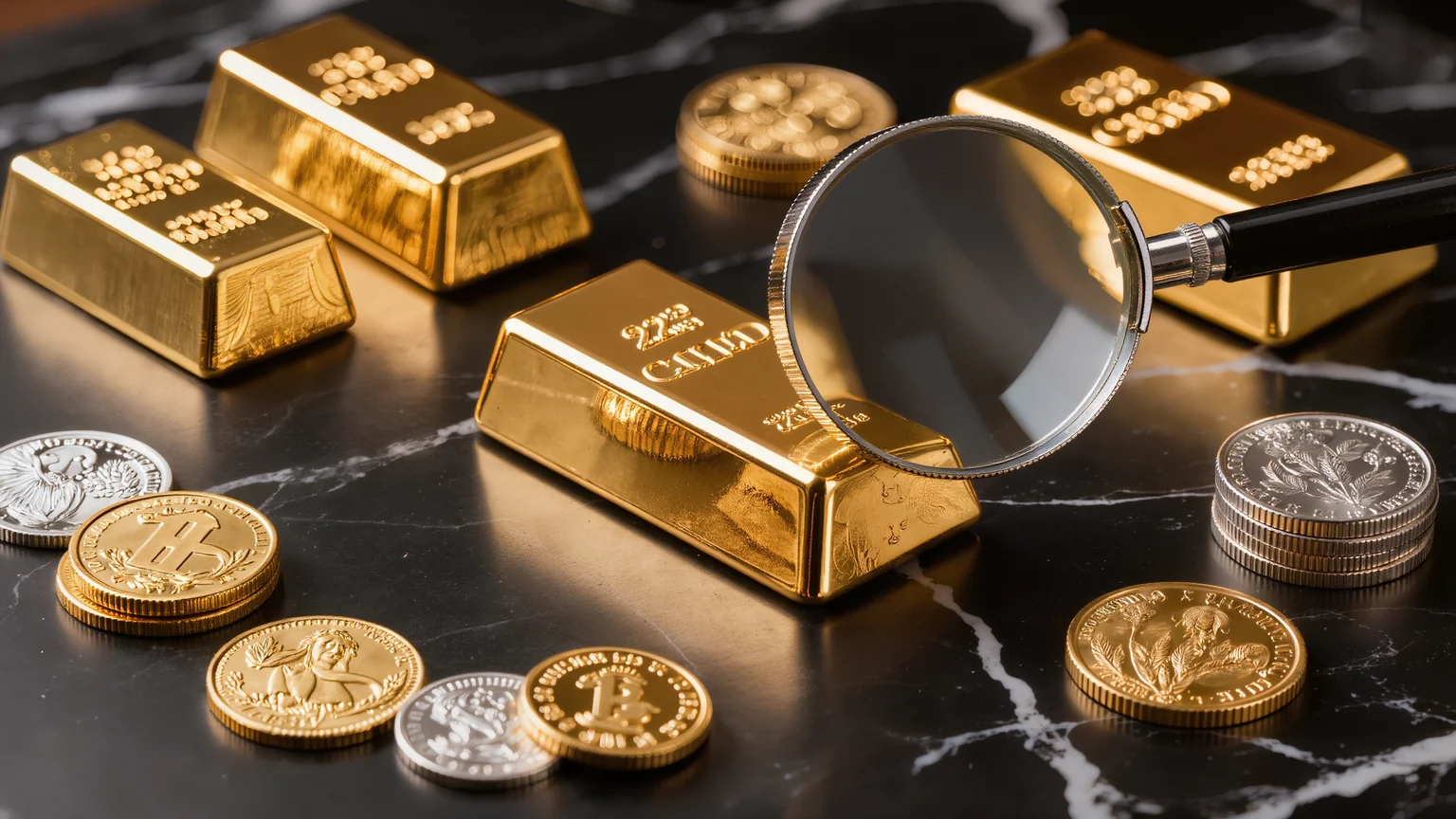

Menschen kaufen Gold aus vielerlei Gründen, und auch wenn die finanziellen Beweggründe oft im Vordergrund stehen, spielen zahlreiche tief verwurzelte emotionale Faktoren eine bedeutende Rolle. Es geht dabei nicht nur um Portfoliodiversifikation oder Inflationsschutz, sondern um tief verankerte Gefühle von Sicherheit, Erbe und sogar Angst.
1. Das Gefühl von Sicherheit
Gold ist seit Jahrtausenden ein Symbol für Wohlstand und Stabilität, und diese lange Geschichte vermittelt vielen Menschen ein tiefes Gefühl von Sicherheit.
1.1 Ein greifbarer Zufluchtsort in unsicheren Zeiten
In einer Welt voller wirtschaftlicher Unsicherheiten, politischer Instabilität und digitaler Verwundbarkeit bietet Gold etwas Reales und Greifbares. Wenn Währungen schwanken, Banken in Krisen geraten und Aktienmärkte einbrechen, fühlt sich ein physisches Stück Gold wie ein sicherer Hafen an. Es ist etwas, das man in der Hand halten kann, etwas, das nicht von einem Bildschirm oder einem staatlichen Versprechen abhängt. Diese Greifbarkeit kann außerordentlich beruhigend wirken, besonders für Menschen, die wirtschaftliche Krisenzeiten erlebt haben oder Finanzinstituten misstrauen. Die psychologische Erleichterung, etwas allgemein als wertvoll anerkanntes zu besitzen, das unabhängig von einem einzelnen System existiert, ist ein starker Antrieb. Es ähnelt einem Notfallpaket für den Katastrophenfall: Man hofft, es nie zu brauchen, doch schon seine bloße Existenz sorgt für ein enormes Gefühl der Ruhe.
1.2 Angst vor Verlust und Instabilität
Bei dieser Angst geht es nicht nur um den Verlust von Geld, sondern um den Verlust von Kontrolle, finanzieller Unabhängigkeit oder sogar um die Sorge vor Mittellosigkeit. Wenn Menschen befürchten, dass Hyperinflation ihre Ersparnisse aufzehrt oder ein Währungskollaps ihr hart verdientes Geld wertlos macht, bietet Gold ein Gegenmittel gegen diese Angst. Es gilt oft als der ultimative „sichere Hafen“, weil es historisch seinen Wert behält, wenn andere Anlagen ins Straucheln geraten. Die kollektive Erinnerung an vergangene Finanzkrisen, ob persönlich erlebt oder aus der Geschichte bekannt, nährt den Wunsch nach einem Vermögenswert außerhalb des herkömmlichen Finanzsystems. Für viele geht es bei der Geldanlage in Gold weniger um Gewinn als vielmehr darum, einen katastrophalen Verlust zu verhindern. Es ist eine vorausschauende Maßnahme gegen eine gefürchtete Zukunft, ein Weg, sich selbst und die eigene Familie vor den vermeintlichen Gefahren einer instabilen Weltwirtschaft zu schützen.
1.3 Eine Absicherung gegen das Unbekannte
Wir leben in einer Zeit rasanten Wandels, in der geopolitische Spannungen, technologische Umbrüche und unvorhergesehene globale Ereignisse die Finanzlandschaft schnell verändern können. Gold bietet eine Art psychologische Versicherung gegen diese Unwägbarkeiten. Es ist das stille Versprechen, dass unabhängig davon, welche Umwälzung eintritt, ein Teil des eigenen Vermögens erhalten und übertragbar bleibt. Dieser emotionale Trost ist rein finanziell betrachtet nicht zwingend rational, erfüllt aber ein zutiefst menschliches Bedürfnis nach Vorsorge und dem Vermeiden von Hilflosigkeit. Das Gefühl, auf das Schlimmste vorbereitet zu sein, selbst wenn es nie eintritt, kann Angst und Stress im finanziellen Leben erheblich verringern.
2. Das Gewicht von Vermächtnis und Erbe
Gold ist nicht nur ein Vermögenswert, sondern häufig auch ein Symbol, das eng mit Familiengeschichte, kultureller Identität und Werten verwoben ist, die über Generationen weitergegeben werden.
2.1 Familienvermögen über Generationen hinweg bewahren
In vielen Kulturen gilt Gold als der Vermögenswert schlechthin, um ihn weiterzugeben. Es lässt sich leicht teilen, ist weltweit anerkannt und behält seinen Wert im Allgemeinen über lange Zeiträume. Das macht es zu einem idealen Mittel, um Vermögen von einer Generation zur nächsten zu übertragen, nicht nur finanziell, sondern auch symbolisch. Eine Goldmünze oder ein Schmuckstück, das innerhalb einer Familie weitergegeben wird, trägt Geschichten, Erinnerungen und die stille Botschaft von Fürsorge und Vorsorge der Vorfahren in sich. Dabei geht es nicht allein um Wirtschaftliches, sondern darum, familiäre Bindungen zu stärken und künftige Stabilität für die eigenen Liebsten zu sichern. Das Ansammeln von Gold erfolgt oft mit der unausgesprochenen Absicht, Nachkommen abzusichern, ihnen einen Vorsprung oder ein Sicherheitsnetz zu geben, so wie es die eigenen Vorfahren für sie getan haben.
2.2 Kulturelle Bedeutung und Tradition
In vielen Gesellschaften ist Gold weit mehr als nur ein Edelmetall, es ist fest in religiösen Zeremonien, Hochzeitsritualen und festlichen Anlässen verankert. Gold zu verschenken gilt als Zeichen von Respekt, Liebe und Wohlstand. Für Menschen aus Kulturen mit einer langen Tradition des Goldbesitzes ist die Entscheidung, Gold zu kaufen, oft weniger eine Frage der Anlagerechnung als vielmehr das Festhalten an geachteten Traditionen und der kulturellen Identität. Es verbindet sie mit ihren Wurzeln, ihrer Gemeinschaft und ihrem gemeinsamen Erbe. Der Besitz von Gold bekräftigt die kulturelle Identität und schafft eine greifbare Verbindung zu den Bräuchen und Werten der Vorfahren. Diese tiefe kulturelle Verbundenheit verleiht dem Goldbesitz eine emotionale Bedeutung, die weit über rein finanzielle Erwägungen hinausgeht, und macht ihn zu einem zutiefst persönlichen, identitätsstiftenden Akt.
2.3 Eine greifbare Verbindung zu den Vorfahren
Ein Stück Gold in der Hand zu halten, das einst einem Großelternteil oder Urgroßelternteil gehörte, kann eine kraftvolle emotionale Erfahrung sein. Es ist eine physische Verbindung zur Vergangenheit, ein Symbol für Durchhaltevermögen und Wohlstand. Diese emotionale Bindung an ererbtes Gold weckt bei vielen Menschen den Wunsch, noch mehr davon anzusammeln, nicht nur für sich selbst, sondern um diese Linie greifbaren Vermögens und der Erinnerung an die eigenen Nachkommen weiterzuführen. Die Geschichten, die mit solchen Erbstücken verbunden sind, wie sie erworben wurden, wofür sie in schwierigen Zeiten standen, verleihen dem Metall einen ideellen Wert, der weit über seinen Marktpreis hinausgeht.
3. Die Kraft von Kontrolle und Unabhängigkeit
In einer Welt, in der sich viele Aspekte des Lebens zunehmend der eigenen Kontrolle entziehen, kann der Besitz von Gold ein starkes Gefühl persönlicher Selbstbestimmung vermitteln.
3.1 Dem „System“ entkommen
Ein starker Antrieb für manche Goldkäufer ist der Wunsch, sich zumindest teilweise aus einem Finanzsystem zurückzuziehen, das sie als fehlerhaft oder wackelig wahrnehmen. Das rührt häufig aus Misstrauen gegenüber Regierungen, Banken oder auch digitalen Währungen. Gold als physischer Vermögenswert, der außerhalb von Banken oder digitalen Konten gehalten werden kann, stellt eine greifbare Form monetärer Souveränität dar. Es ist ein Bekenntnis zur Unabhängigkeit, ein Weg, die persönliche Kontrolle über das eigene Vermögen zurückzuerlangen, ohne auf Mittelspersonen angewiesen zu sein. Dieses psychologische Bedürfnis nach Eigenständigkeit und Immunität gegenüber Systemfehlern ist ein starker emotionaler Antrieb. Es ist das Gefühl: „Ich habe mein Eigenes, und es hängt von niemandes Fehlern ab.“
3.2 Privatsphäre und Anonymität
Anders als Bankkonten oder Aktiendepots, die an die persönliche Identität gebunden und meldepflichtig sind, bietet physisches Gold ein gewisses Maß an Privatsphäre. Dabei geht es nicht zwangsläufig um illegale Aktivitäten, sondern oft um den Wunsch nach Diskretion, besonders bei Menschen, die sich in bestimmten politischen Klimata durch Überwachung oder Beschlagnahmung gefährdet fühlen. Die Möglichkeit, Vermögen zu halten, ohne dass es digital nachverfolgt oder von außenstehenden Parteien leicht eingesehen werden kann, kann ein bedeutender emotionaler Trost sein und stellt einen stillen Akt des Widerstands gegen eine zunehmend transparente und vernetzte Welt dar. Dieses Gefühl persönlicher Freiheit und des Schutzes vor Beobachtung ist ein starker, wenn auch oft unausgesprochener, emotionaler Reiz.
3.3 Ein Gefühl von persönlicher Handlungsfähigkeit
In komplexen Finanzmärkten kann es sich für einzelne Anleger oft so anfühlen, als hätten sie kaum Einfluss. Entscheidungen werden von großen Institutionen getroffen, und individuelle Anlagen unterliegen breiten Marktkräften. Gold, besonders physisches Gold, bietet eine einfachere, unmittelbarere Form des Besitzes. Der Akt des Kaufens, Haltens und sogar Lagerns von Gold vermittelt ein beruhigendes Gefühl persönlicher Handlungsfähigkeit und direkter Kontrolle über das eigene Vermögen. Er entfernt Ebenen der Abstraktion und das Risiko von Mittelspersonen und fördert ein Gefühl von Eigenständigkeit, das bei allen, die Unabhängigkeit schätzen, tief anklingt.
4. Die Faszination von reinem Wert und Seltenheit
Gold ist nicht nur wertvoll, es fühlt sich wertvoll an. Seine inhärenten Eigenschaften wecken ein Gefühl von Reinheit und Exklusivität, das menschliche ästhetische und psychologische Vorlieben anspricht.
4.1 Innerer Wert und Reinheit
Anders als Papiergeld oder digitale Vermögenswerte, deren Wert auf Vertrauen und staatlicher Anordnung beruht, besitzt Gold einen inneren Wert. Es ist ein natürlich vorkommendes Element mit begrenztem Vorkommen und hat über die reine Spekulation hinaus auch industrielle Verwendungszwecke. Diese wahrgenommene „Echtheit“ oder „Reinheit“ trifft einen tiefen Nerv. Es liegt psychologischer Trost darin, zu wissen, dass der Wert nicht nur eine willkürliche Zahl auf einem Bildschirm ist, sondern an inhärente physische Eigenschaften und Knappheit gebunden ist. Diese grundlegende Eigenschaft von Gold lässt es verlässlicher und weniger anfällig für Manipulation erscheinen und spricht das Bedürfnis nach Echtheit und wahrem Wert an.
4.2 Knappheit und Exklusivität
Gold ist selten, und die menschliche Psyche setzt Seltenheit häufig mit Wert und Begehrlichkeit gleich. Dabei geht es nicht nur um den Marktpreis, sondern um den emotionalen Reiz, etwas Knappes und damit Exklusives zu besitzen. In einer Welt der Massenproduktion und leicht verfügbarer Güter sticht Gold als etwas Kostbares und schwer zu Erlangendes hervor. Diese Exklusivität kann beim Besitzer Gefühle von Prestige und Erfolg wecken, ein stilles Bewusstsein dafür, etwas wirklich Besonderes zu besitzen. Die Suche nach einzigartigen Goldmünzen oder Barren verstärkt dieses Gefühl noch und verwandelt eine finanzielle Transaktion in die Jagd nach seltenen Schätzen.
4.3 Ästhetische Schönheit und Zeitlosigkeit
Über seinen finanziellen Nutzen hinaus ist Gold schlicht schön. Sein glänzendes Erscheinungsbild, seine Beständigkeit gegen Anlaufen und seine Verformbarkeit haben es seit Jahrtausenden zu einem geschätzten Material für Kunst, Schmuck und Münzprägung gemacht. Diese ästhetische Anziehungskraft weckt ein Gefühl von Zeitlosigkeit und dauerhafter Schönheit. Der Besitz von Gold ist nicht nur eine Geldanlage, für viele geht es auch darum, seine Schönheit als Naturwunder zu würdigen. Die schlichte Freude am Betrachten, Halten oder Tragen von Gold ist ein starker, nicht messbarer emotionaler Antrieb, der über rein wirtschaftliche Überlegungen hinausgeht. Er spricht unser innerstes Empfinden für Schönheit und Beständigkeit an.
5. Der Urinstinkt des Ansammelns
Auf einer sehr grundlegenden Ebene verfügen Menschen über einen angeborenen Drang, Ressourcen anzusammeln. Gold, als konzentrierte Form von Vermögen, spricht diesen Urinstinkt unmittelbar an.
5.1 Die Mentalität von Jägern und Sammlern
Auch in der modernen Gesellschaft wirken Überreste unserer Vergangenheit als Jäger und Sammler fort. Der Instinkt, wertvolle Ressourcen für das künftige Überleben zu sammeln und zu horten, ist tief verankert. Gold dient mit seinem dauerhaften Wert und seiner Transportierbarkeit als ideales „Wertaufbewahrungsmittel“ für dieses uralte psychologische Programm. Es ist eine Ressource, die sich zur Not in lebensnotwendige Güter umwandeln lässt, und vermittelt das beruhigende Gefühl, für magere Zeiten gewappnet zu sein. Dieser unbewusste Drang, Sicherheit anzusammeln, ist ein starker, oft unerkannter emotionaler Faktor.
5.2 Eine Erfolgsbilanz
Für manche wird das Ansammeln von Gold zu einer persönlichen Erfolgsbilanz ihres finanziellen Erfolgs und ihrer Disziplin. Es ist ein greifbarer Ausdruck harter Arbeit und umsichtigen Sparens. Anders als ein Kontostand, der abstrakt wirken kann, bietet ein wachsender Stapel Goldmünzen oder Barren eine konkrete, befriedigende visuelle Darstellung des eigenen Fortschritts. Dieses Gefühl von Erfolg und der greifbare Beweis finanziellen Geschicks können ein sehr starker emotionaler Antrieb sein, der Menschen dazu bewegt, ihre Goldanschaffungen fortzusetzen. Dabei geht es nicht nur darum, was sich mit dem Gold kaufen lässt, sondern auch darum, wofür es hinsichtlich des eigenen Weges und der eigenen Erfolge steht.
5.3 Die Befriedigung des Besitzes
Der Besitz von etwas Wertvollem und Beständigem bringt eine einfache, inhärente Zufriedenheit mit sich. Für viele Menschen vermittelt Gold genau dieses Gefühl. Dabei geht es nicht nur um das Gewinnpotenzial, sondern um die tief sitzende Genugtuung, ein seltenes, schönes und historisch geschätztes Gut zu besitzen. Dieses Gefühl von Besitz, etwas Substanzielles und Reales zu haben, verschafft ein tiefes psychologisches Wohlbefinden und Erfolgserlebnis, weit über das hinaus, was bloße Zahlen auf einem Kontoauszug bieten können. Es ist eine zutiefst menschliche Reaktion auf den Besitz von etwas, das als kostbar gilt.
6. Das „Was wäre wenn“-Szenario
Über allgemeine Ängste hinaus kaufen viele Menschen Gold, getrieben von konkreten „Was wäre wenn“-Szenarien, in denen sie sich eine Zukunft vorstellen, in der herkömmliche Systeme versagen.
6.1 Vorsorge für Katastrophenfälle
Dabei geht es nicht nur um Finanzkrisen, sondern auch um Naturkatastrophen, großflächige Stromausfälle oder sogar einen gesellschaftlichen Zusammenbruch. In solch extremen Szenarien, in denen Kreditkarten nutzlos und digitale Währungen unzugänglich wären, könnte physisches Gold zu einem zentralen Tauschmittel werden. Für alle, die sich auf solche Eventualitäten vorbereiten, ist Gold ein wesentlicher Bestandteil einer Überlebensstrategie und nicht nur eine Geldanlage. Der emotionale Antrieb hier ist reine Vorsorge und die Angst, in einer wirklich verzweifelten Lage hilflos zu sein.
6.2 Staatliche Beschlagnahmung oder Hyperinflation
Die Geschichte kennt zahlreiche Beispiele dafür, dass Regierungen Vermögenswerte beschlagnahmt haben oder Währungen durch Hyperinflation wertlos geworden sind. Diese historischen Präzedenzfälle nähren bei manchen Menschen eine sehr reale Angst und veranlassen sie, ihr Vermögen in einem Wert zu halten, den Regierungen nur schwer nachverfolgen oder entwerten können. Der emotionale Antrieb ist der Schutz des eigenen Lebenswerks vor möglicher staatlicher Übergriffigkeit oder wirtschaftlichem Missmanagement, damit selbst unter extremem Druck ein Teil des Vermögens sicher bleibt.
7. Der Reiz der Suche und des Sammelns
Für manche, besonders für Neueinsteiger in der Welt des Goldes, liegt ein unbestreitbarer Reiz darin, zu suchen, zu erwerben und eine Sammlung zusammenzustellen.
7.1 Die Freude an Recherche und Entdeckung
Sich mit Anlagegold, unterschiedlichen Prägestätten, historischen Münzen und Prüfzeichen zu befassen, kann eine faszinierende Reise sein. Der Prozess des Recherchierens und Verstehens der Feinheiten einer Goldanlage kann intellektuell anregend und unterhaltsam sein. Diese Entdeckungsreise verleiht dem Kauf eine emotionale Ebene und macht aus einer einfachen Transaktion ein spannendes Hobby.
7.2 Eine Sammlung aufbauen
Das Sammeln von Gold, sei es bestimmter Münzen, Barren verschiedener Scheideanstalten oder antiker Artefakte, kann zu einem echten Herzensprojekt werden. Der ästhetische Reiz einer sorgfältig zusammengestellten Goldsammlung, verbunden mit ihrem inneren Wert, bietet eine einzigartige Mischung aus finanzieller Umsicht und persönlicher Freude. Dieser Sammelaspekt kann zu einer zutiefst befriedigenden Beschäftigung werden, angetrieben von der emotionalen Belohnung, Sets zu vervollständigen, seltene Stücke zu erwerben und das eigene greifbare Vermögen wachsen zu sehen.
Häufige Fragen
1. Was sind einige emotionale Gründe, warum Menschen Gold kaufen?
Zu den emotionalen Gründen, warum Menschen Gold kaufen, zählen ein Gefühl von Sicherheit und Stabilität, die Angst vor wirtschaftlicher Instabilität, der Wunsch nach Vermögenserhalt sowie ein mit dem Goldbesitz verbundenes Gefühl von Prestige und Status.2. Wie vermittelt Gold Käufern ein Gefühl von Sicherheit und Stabilität?
Gold gilt oft als sicherer Hafen, der seinen Wert über die Zeit behält, was Käufern besonders in Phasen wirtschaftlicher Unsicherheit oder Marktvolatilität ein Gefühl von Sicherheit und Stabilität vermitteln kann.3. Warum kaufen Menschen aus Angst vor wirtschaftlicher Instabilität Gold?
In Zeiten wirtschaftlicher Instabilität kaufen Menschen mitunter Gold als Absicherung gegen Inflation, Währungsabwertung oder wirtschaftliche Abschwünge. Gold gilt als verlässliches Wertaufbewahrungsmittel, das Vermögen in unsicheren Zeiten schützen kann.4. Welche Rolle spielt der Wunsch nach Vermögenserhalt bei der Entscheidung, Gold zu kaufen?
Der Wunsch nach Vermögenserhalt ist ein bedeutender emotionaler Grund, warum Menschen Gold kaufen. Gold wird oft als langfristiges Wertaufbewahrungsmittel angesehen, das Vermögen vor Erosion durch Faktoren wie Inflation oder Währungsabwertung schützen kann.5. Wie trägt der Besitz von Gold zu einem Gefühl von Prestige und Status bei?
Der Besitz von Gold kann aufgrund seiner historischen Verbindung zu Reichtum, Macht und Luxus zu einem Gefühl von Prestige und Status beitragen. Für manche Käufer kann der Besitz von Gold Erfolg und finanzielle Leistung symbolisieren.Mehr aus Blog
7 Fehler, die Anfänger beim Goldkauf vermeiden sollten
Sie überlegen, in die Welt des Goldbesitzes einzusteigen? Eine kluge Entscheidung. Gold gilt seit jeher aus gutem Grund als verlässliches…
10 Dinge, die Sie vor dem Kauf von Goldbarren wissen sollten
Sie überlegen also, in die Welt der Goldbarren einzusteigen? Eine kluge Entscheidung: Gold ist ein greifbarer Vermögenswert, ein klassisches Mittel…
8 Vorteile von physischem Gold gegenüber Papiergold
Vermutlich fragen Sie sich, worin der eigentliche Unterschied zwischen physischem Gold und all den digitalen und papierbasierten Alternativen…