7 Mythen über Gold, die viele Anleger glauben
Wenn Sie über eine Geldanlage in Gold nachdenken, haben Sie wahrscheinlich schon vieles gehört, manches Gutes, manches Schlechtes und manches schlicht Irreführendes. Tatsächlich ranken sich um Gold…
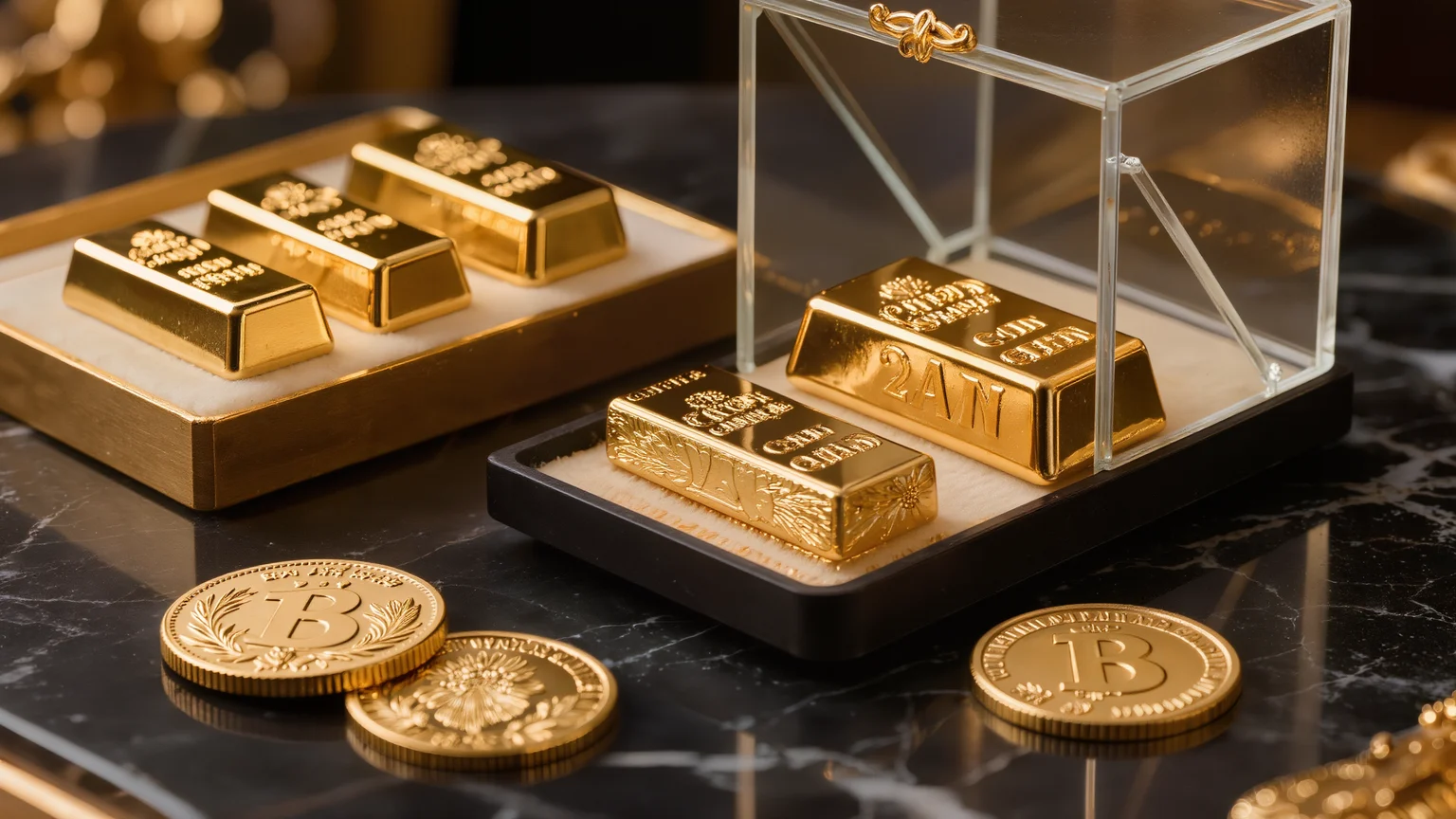

Wenn Sie über eine Geldanlage in Gold nachdenken, haben Sie wahrscheinlich schon vieles gehört, manches Gutes, manches Schlechtes und manches schlicht Irreführendes. Tatsächlich ranken sich um Gold zahlreiche Mythen, die den Blick trüben und zu weniger klugen Entscheidungen führen können. Dieser Beitrag räumt mit sieben verbreiteten Gold-Mythen auf und vermittelt ein klareres, praxisnahes Verständnis davon, was eine Geldanlage in Gold wirklich bedeutet. Kommen wir gleich zur Sache.
Einer der hartnäckigsten Mythen über Gold ist sein angeblich unerschütterlicher Status als sicherer Hafen, wonach es sich immer gut entwickelt, wenn andere Anlagen einbrechen. Gold kann durchaus als Absicherung gegen Konjunkturabschwünge und Inflation dienen und tut dies auch häufig, doch ein unfehlbarer Schutzschild ist es nicht.
Die Geschichte zeigt ein gemischtes Bild
Blickt man zurück, gibt es zahlreiche Beispiele, in denen sich Gold in turbulenten Zeiten tatsächlich bewährt hat. Während der Finanzkrise 2008 etwa stiegen die Goldpreise, weil Anleger aus riskanteren Anlagen flohen. Auch in Phasen hoher Inflation entwickelt sich Gold häufig gut, weil Menschen ihre Kaufkraft erhalten wollen.
Das ist jedoch keine allgemeingültige Regel. Es gab auch Krisen, in denen Gold stagnierte oder sogar an Wert verlor. Beim Markteinbruch von 2020 etwa gab Gold zunächst zusammen mit anderen Anlagen nach, bevor es sich erholte. Das zeigt: In extremen Liquiditätsengpässen wird selbst Gold verkauft, um andere Verluste auszugleichen.
Nicht immun gegen Marktkräfte
Gold bleibt ein Rohstoff, und wie bei jedem Rohstoff wird sein Preis von Angebot und Nachfrage, geopolitischen Ereignissen, Zinsen und der Stärke des US-Dollars beeinflusst. Ein starker Dollar kann Gold für internationale Käufer teurer machen und so die Nachfrage dämpfen. Niedrigere Zinsen wiederum können Gold, das keine laufenden Erträge abwirft, im Vergleich zu Anleihen attraktiver erscheinen lassen.
Gold bietet also oft Stabilität in Krisen, doch es ist wichtig zu verstehen, dass es keineswegs jedes Mal ein garantiert sicherer Wert ist. Es ist ein wertvoller Baustein in einem diversifizierten Portfolio, aber verlassen Sie sich nicht darauf, dass es ein Freibrief für Sicherheit ist.
2. Gold macht Sie schnell reich
Der Reiz, schnell reich zu werden, ist stark, und manche glauben, Gold sei ein schneller Weg zum Wohlstand. Dieser Mythos speist sich oft aus Geschichten von Goldräuschen oder Phasen rasanter Preissteigerungen. Für die meisten Anleger ist Gold jedoch eine langfristige Angelegenheit und kein Weg zum schnellen Reichtum.
Gold ist ein Wertspeicher, kein Wachstumswert
Die vorrangige Rolle von Gold in einem Portfolio ist üblicherweise die eines Wertspeichers und einer Absicherung gegen Inflation und wirtschaftliche Unsicherheit. Es soll Vermögen über die Zeit erhalten, nicht kurzfristig erhebliche Kursgewinne erzielen. Anders als Aktien, die Anteile an Unternehmen darstellen, die wachsen und Gewinne erwirtschaften können, produziert Gold nichts, zahlt keine Dividenden und bietet keine Zinsen. Sein Wert beruht weitgehend auf der wahrgenommenen Seltenheit und Begehrtheit.
Schwankungen gehören dazu
Goldpreise können durchaus stark steigen, aber ebenso fallen. Wie jeder andere Markt unterliegt auch der Goldmarkt Schwankungen. Es gab längere Phasen, in denen die Goldpreise stagnierten oder sogar fielen. Nach seinem Höchststand 2011 etwa geriet Gold in eine mehrjährige Baisse, die viele Anleger frustrierte, die zu Spitzenpreisen gekauft hatten.
Wer bei Gold auf kurzfristige Gewinne setzt, läuft Gefahr, enttäuscht zu werden und unüberlegte Entscheidungen zu treffen. Realistischer ist es, Gold als Baustein eines ausgewogenen Portfolios zu betrachten, der die Kaufkraft über Jahrzehnte und nicht über Monate erhält. Betrachten Sie es als Versicherung für Ihr Vermögen, nicht als Lotterielos.
3. Physisches Gold ist immer die beste Anlageform
Bei Gold denken viele zunächst an glänzende Barren oder Münzen. Physisches Gold zu besitzen hat zwar Vorteile, ist aber nicht immer der „beste" oder einzige Weg der Geldanlage. Es gibt verschiedene Wege, jeder mit eigenen Vor- und Nachteilen.
Der Reiz greifbarer Werte
Der Besitz von physischem Gold vermittelt ein besonderes Gefühl von Sicherheit. Man kann es in den Händen halten, anfassen, und es ist unabhängig vom Bankensystem oder digitalen Netzwerken. Diese Greifbarkeit ist für viele ein großer Anreiz, besonders für jene, die sich Sorgen um Systemrisiken oder staatliche Kontrolle machen.
Physisches Gold bringt jedoch eigene Herausforderungen mit sich:
- Lagerkosten: Sie brauchen einen sicheren Aufbewahrungsort, sei es ein Heimtresor (mit Auswirkungen auf die Versicherung) oder ein Bankschließfach (mit jährlichen Gebühren).
- Versicherung: Der Schutz Ihres physischen Goldes vor Diebstahl oder Verlust verursacht zusätzliche Kosten.
- Liquidität: Der Verkauf von physischem Gold kann umständlicher sein als der Verkauf einer Aktie oder eines ETFs. Möglicherweise müssen Sie einen seriösen Händler finden und eine größere Spanne zwischen An- und Verkaufspreis in Kauf nehmen.
- Aufgeld: Für physisches Gold zahlen Sie oft ein Aufgeld über dem Kassakurs, besonders bei kleineren Stückelungen wie Münzen. Dieses Aufgeld deckt Herstellung, Vertrieb und den Gewinn des Händlers ab.
Weitere Anlagemöglichkeiten
Für viele bieten andere Formen der Goldanlage mehr Komfort und Liquidität:
- Gold-ETFs: Sie bilden den Goldpreis nach und werden wie Aktien gehandelt. Sie bieten hervorragende Liquidität, geringe Lagerkosten (da Sie das physische Metall nicht tatsächlich besitzen) und eine Beteiligung an der Kursentwicklung von Gold. Allerdings besitzen Sie das physische Gold nicht selbst, was manchen Anlegern weniger Beruhigung verschafft.
- Goldminenaktien: Die Investition in Unternehmen, die Gold fördern, kann eine Hebelwirkung auf die Preisentwicklung von Gold bieten. Steigt der Goldpreis, können die Gewinne der Minenunternehmen überproportional zulegen. Diese Anlagen bergen jedoch zusätzliche, dem Bergbau eigene Risiken (betriebliche Probleme, geopolitische Risiken, Qualität des Managements et cetera) und bilden den Goldpreis nicht unmittelbar ab.
- Gold-Futures und -Optionen: Das sind Derivate, mit denen Anleger auf den künftigen Goldpreis spekulieren können. Sie bieten eine hohe Hebelwirkung, sind aber komplex und mit erheblichen Risiken verbunden, weshalb sie sich in der Regel nur für erfahrene Händler eignen.
Der „beste" Weg, in Gold zu investieren, hängt stark von Ihrer persönlichen Situation, Ihrer Risikobereitschaft, Ihren Anlagezielen und Ihrem Wunsch nach Greifbarkeit ab. Eine pauschale Antwort gibt es dafür nicht.
4. Gold entwickelt sich in der Deflation gut
Gold gilt oft als Inflationsschutz, weshalb manche fälschlich annehmen, es entwickle sich auch in Phasen der Deflation (einem allgemeinen Rückgang von Preisen und Wirtschaftsaktivität) gut. Das trifft in der Regel nicht zu.
Die Auswirkungen der Deflation verstehen
In einem deflationären Umfeld steigt die Kaufkraft von Bargeld. Da die Preise fallen, kauft Ihr Geld morgen mehr Waren und Dienstleistungen als heute. Das macht das Halten von Bargeld vergleichsweise attraktiv.
Gold tut sich, wie andere Rohstoffe auch, in deflationären Phasen üblicherweise schwer, und zwar aus folgenden Gründen:
- Nachlassende Nachfrage: Ein Wirtschaftsrückgang und fallende Preise bedeuten in der Regel eine geringere industrielle Nachfrage nach Rohstoffen, auch nach Gold (wobei die industrielle Nachfrage im Vergleich zur Anlagenachfrage nur einen kleineren Teil der Gesamtnachfrage nach Gold ausmacht).
- Steigender Wert von Bargeld: Wird Bargeld wertvoller, verlieren ertragslose Vermögenswerte wie Gold an Reiz. Warum sollte man einen Vermögenswert ohne Ertrag halten, wenn die Währung selbst an Wert gewinnt?
- Schuldenlast: Deflation führt häufig zu einer steigenden realen Schuldenlast, da der Wert der Schulden konstant bleibt, während Einkommen und Vermögenswerte sinken. Das kann Verkäufe von Vermögenswerten, auch von Gold, erzwingen, um Verbindlichkeiten zu decken.
Historische Belege
Historisch fielen bedeutende deflationäre Phasen häufig mit einer schwachen Entwicklung von Gold zusammen. Während der Weltwirtschaftskrise der 1930er-Jahre etwa war Gold in vielen Ländern an einen festen Preis gebunden, und das wirtschaftliche Umfeld war spekulativen Goldgewinnen nicht förderlich. Auch bei jüngeren, kleineren deflationären Schreckmomenten tat sich Gold im Vergleich zu seiner Stärke als Inflationsschutz schwer.
Gold ist also ein starker Verbündeter gegen Inflation, erwarten Sie jedoch nicht, dass es in einer deflationären Talfahrt zum Retter wird. Seine Aufgabe ist es vor allem, vor der schwindenden Kaufkraft durch Inflation zu schützen, nicht vor der wachsenden Kaufkraft von Bargeld in einer Deflationsspirale.
5. Gold ist unkorreliert zu anderen Anlagen
Ein weiterer verbreiteter Irrglaube ist, Gold bewege sich völlig unabhängig von anderen Anlageklassen wie Aktien und Anleihen und biete damit perfekte Diversifikation. Gold weist zwar häufig eine geringe Korrelation zu diesen Anlagen auf, ist jedoch selten völlig unkorreliert, und dieses Verhältnis kann sich im Zeitverlauf ändern.
Was „unkorreliert" wirklich bedeutet
Sind zwei Anlagen unkorreliert, besteht zwischen ihren Kursbewegungen kein statistischer Zusammenhang. Steigt die eine, kann die andere steigen, fallen oder gleichbleiben, ein vorhersehbares Muster gibt es nicht. Eine geringe Korrelation ist in einem Portfolio wünschenswert, denn wenn eine Anlageklasse schwach abschneidet, kann eine andere gut abschneiden, was die Gesamtrendite des Portfolios glättet.
Die Korrelation von Gold ist veränderlich
Gold weist zwar im Allgemeinen eine geringere Korrelation zu Aktien und Anleihen auf als Aktien untereinander, doch null ist sie nicht. Der Grad der Korrelation kann sich je nach wirtschaftlichem Klima verschieben:
- Stressphasen: Bei extremem Marktstress, etwa in den ersten Phasen der Finanzkrise 2008 oder dem Schock der Corona-Pandemie, können die Korrelationen aller Anlageklassen vorübergehend gegen 1,0 schießen, das heißt, sie bewegen sich alle in dieselbe Richtung. In solchen „Risk-off"-Phasen werfen Anleger alles zugunsten von Bargeld ab, auch Gold.
- Zinsen und Dollarstärke: Goldpreise verhalten sich gegenläufig zu Zinsen (sie steigen, wenn die Zinsen fallen, und fallen, wenn die Zinsen steigen) sowie zur Stärke des US-Dollars. Diese Faktoren beeinflussen auch Aktien- und Anleihemärkte und schaffen so indirekte Zusammenhänge. Steigen etwa die Zinsen, werden Anleihen attraktiver, da sie höhere Renditen bieten, und die Opportunitätskosten des Haltens von Gold, das keinen Ertrag abwirft, steigen, was Druck auf den Goldpreis ausüben kann.
Diversifikation bleibt ein wesentlicher Vorteil
Auch wenn Gold nicht vollkommen unkorreliert ist, bietet es im Allgemeinen dennoch Diversifikationsvorteile. Da es tendenziell gut abschneidet, wenn andere Anlagen unter Druck stehen, kann es die Gesamtvolatilität eines Portfolios deutlich senken. Es wirkt wie ein finanzieller Stoßdämpfer, der die Unebenheiten auf dem Anlageweg glättet. Erwarten Sie nur nicht, dass es sich wie in einem Vakuum verhält.
6. Zentralbanken kaufen Gold nur, wenn es günstig ist
Mitunter heißt es, Zentralbanken seien clevere Anleger, die Gold nur bei niedrigen Preisen aufbauen, was auf einen künftigen Anstieg hindeute. Zentralbanken sind zwar tatsächlich bedeutende Akteure am Goldmarkt, doch ihre Kauf- und Verkaufsentscheidungen beruhen auf einem komplexen Geflecht von Faktoren und nicht nur auf perfektem Timing.
Strategische und geopolitische Beweggründe
Zentralbanken halten Gold vor allem als Reservewert und aus mehreren strategischen Gründen:
- Diversifikation: Um ihre Währungsreserven von Papierwährungen, insbesondere dem US-Dollar, unabhängiger zu machen. Das verringert die Abhängigkeit von einer einzelnen Währung und schützt vor Wechselkursschwankungen.
- Vertrauen und Stabilität: Gold ist ein weltweit anerkannter Vermögenswert mit einer langen Geschichte des Werterhalts, unabhängig von politischen Regimen oder Wirtschaftssystemen. Es verleiht der Finanzlage eines Landes Glaubwürdigkeit und Stabilität.
- Geopolitische Absicherung: In Zeiten geopolitischer Unsicherheit oder Sanktionen bietet Gold einen unabhängigen Vermögenswert, der nicht der gleichen Kontrolle unterliegt wie Bankeinlagen in anderen Ländern.
- Erhalt der Kaufkraft: Wie private Anleger nutzen auch Zentralbanken Gold, um sich gegen Inflation zu schützen und die Kaufkraft ihrer Reserven über sehr lange Zeiträume zu bewahren.
Kaufmuster sind komplex
Die Kaufmuster der Zentralbanken beschränken sich nicht einfach auf „günstig kaufen". Häufig spielen folgende Aspekte eine Rolle:
- Langfristige Strategie: Entscheidungen sind meist Teil einer langfristigen Reservenstrategie und keine kurzfristige Spekulation. Zentralbanken legen häufig einen bestimmten Anteil ihrer Reserven in Gold an und kaufen im Zeitverlauf beständig zu, um diesen Anteil zu halten.
- Politische Faktoren: Staatliche Politik, internationale Beziehungen und die innere wirtschaftliche Stabilität können Goldkäufe allesamt beeinflussen.
- Währungsreserven: Veränderungen bei den Deviseneinnahmen eines Landes und sein Bedarf an Dollarreserven können beeinflussen, wie viel Gold es kauft. Zentralbanken von Schwellenländern etwa waren in den vergangenen Jahren bedeutende Käufer, da sie mehr Fremdwährung anhäufen und diversifizieren wollen.
Anhaltende Zentralbankkäufe können durchaus ein positives Signal für den Goldpreis sein, doch sie allein auf „günstig kaufen" zurückzuführen, greift angesichts der vielschichtigen Beweggründe zu kurz. Sich für das eigene Timing am Markt direkt an den Handlungen der Zentralbanken zu orientieren, ist in der Regel keine tragfähige Strategie.
7. Gold ist nur etwas für Weltuntergangs-Vorsorger
Dieser Mythos stellt Goldanleger als Außenseiter dar, die sich für den Zusammenbruch der Gesellschaft wappnen. Zwar setzen manche Weltuntergangs-Vorsorger zweifellos auf Gold, doch dieses Klischee verkennt völlig die breiteren, ganz gewöhnlichen Gründe, warum kluge Anleger Gold in ihr Portfolio aufnehmen.
Ein praktisches Werkzeug zur Portfoliodiversifikation
Für die große Mehrheit der Anleger ist Gold ein praktisches und vernünftiges Instrument zur Portfoliodiversifikation. Es geht darum, sich gegen bestimmte Risiken abzusichern, die andere Anlagen nicht so gut abdecken:
- Inflation: Wie bereits erläutert, ist Gold ein klassischer Schutz vor dem Verlust an Kaufkraft.
- Währungsabwertung: Erfährt eine Landeswährung eine starke Abwertung, kann Gold als eine Art globale Währung seinen Wert gegenüber der fallenden Währung erhalten.
- Wirtschaftliche Unsicherheit: In Phasen wirtschaftlicher Abschwächung, Rezession oder geopolitischer Instabilität steigt die Nachfrage nach Gold häufig, weil Anleger Sicherheit suchen.
- Marktschwankungen: Die geringe Korrelation zu anderen Anlagen hilft, die Portfoliorendite über die Zeit zu glätten und das Gesamtrisiko zu senken.
Keine Alles-oder-nichts-Anlage
Die meisten Anleger setzen nicht alles auf Gold. Stattdessen bildet Gold meist einen vergleichsweise kleinen, aber bedeutenden Teil eines ausgewogenen Portfolios, häufig zwischen 5 und 15 Prozent. Dieser Anteil soll als Ballast und Versicherung dienen, ohne die Gesamtrendite des Portfolios zu dominieren.
Gold nur als Vorsorge für den Weltuntergang zu betrachten, übersieht seine legitime, historisch gewachsene und praktische Rolle in der Finanzplanung, sowohl für Privatpersonen als auch für große Institutionen. Es ist ein strategischer Vermögenswert für finanzielle Widerstandsfähigkeit, kein reines Überlebenswerkzeug.
Häufige Fragen
Welche verbreiteten Mythen über Gold glauben viele Anleger?
Zu den verbreiteten Mythen über Gold zählen die Annahme, es behalte immer seinen Wert, es sei immun gegen Konjunkturabschwünge und es garantiere Gewinne.Ist Gold immer eine sichere Geldanlage?
Gold gilt zwar häufig als sichere Geldanlage, ist aber nicht immun gegen Marktschwankungen und kann durchaus starken Preisschwankungen unterliegen.Kann Gold ein guter Schutz vor Inflation sein?
Gold gilt aufgrund seiner historischen Fähigkeit, in Zeiten von Währungsabwertung seinen Wert zu erhalten, oft als Inflationsschutz, doch seine Wirksamkeit als Absicherung kann schwanken.Gibt es Nachteile bei einer Geldanlage in Gold?
Zu den Nachteilen einer Geldanlage in Gold zählen das Fehlen laufender Erträge, Kosten für Lagerung und Versicherung sowie mögliche Preisschwankungen.Welche wichtigen Faktoren sollte man vor einer Geldanlage in Gold bedenken?
Vor einer Geldanlage in Gold sollte man Faktoren wie die eigenen Anlageziele, die Risikobereitschaft, das aktuelle wirtschaftliche Umfeld und die Gesamtdiversifikation des eigenen Portfolios bedenken.Mehr aus Blog

7 Fehler, die Anfänger beim Goldkauf vermeiden sollten
Sie überlegen, in die Welt des Goldbesitzes einzusteigen? Eine kluge Entscheidung. Gold gilt seit jeher aus gutem Grund als verlässliches…
10 Dinge, die Sie vor dem Kauf von Goldbarren wissen sollten
Sie überlegen also, in die Welt der Goldbarren einzusteigen? Eine kluge Entscheidung: Gold ist ein greifbarer Vermögenswert, ein klassisches Mittel…
8 Vorteile von physischem Gold gegenüber Papiergold
Vermutlich fragen Sie sich, worin der eigentliche Unterschied zwischen physischem Gold und all den digitalen und papierbasierten Alternativen…