7 Unterschiede zwischen Feingold und Schmuckgold
Sie fragen sich, worin der Unterschied zwischen Feingold und Schmuckgold liegt? Eine gute Frage! Viele Menschen beschäftigen sich damit, besonders wenn sie Gold kaufen oder verkaufen möchten. Am…
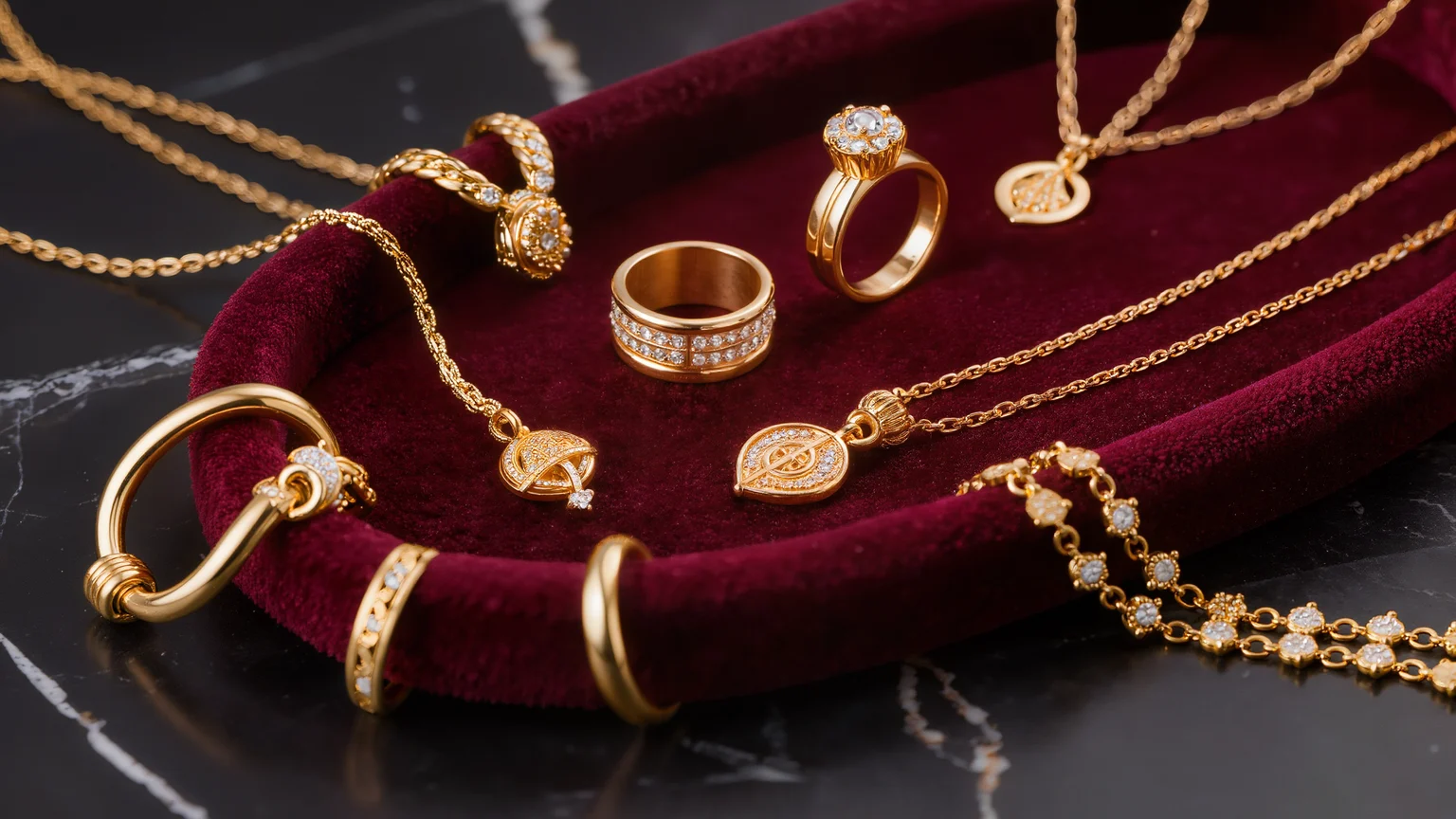

Sie fragen sich, worin der Unterschied zwischen Feingold und Schmuckgold liegt? Eine gute Frage! Viele Menschen beschäftigen sich damit, besonders wenn sie Gold kaufen oder verkaufen möchten. Am einfachsten lässt es sich so ausdrücken: Feingold ist rein oder nahezu rein, während Schmuckgold eine Legierung ist, eine Mischung aus Gold und anderen Metallen. Dieser grundlegende Unterschied wirkt sich auf alles aus, vom Aussehen über die Festigkeit bis hin zum Wert. Schauen wir uns genauer an, was die beiden voneinander unterscheidet.
1. Feingehalt und Zusammensetzung: Der zentrale Unterschied
Wenn wir von Feingold im Vergleich zu Schmuckgold sprechen, ist der Feingehalt das Erste, woran man denkt. Es ist der bedeutendste Unterschied und bestimmt viele der anderen Eigenschaften.
1.1 Feingold: die reinste Form
Feingold, oft als 24-karätiges Gold (24K) bezeichnet, kommt in der Praxis so nah an 100 Prozent reines Gold heran, wie es überhaupt möglich ist. Typischerweise liegt der Feingehalt bei 99,9 Prozent oder sogar 99,99 Prozent. Das bedeutet: Von 24 Teilen sind alle 24 reines Gold. Es sind keine weiteren Metalle beigemischt.
- Keine Legierungen: Feingold enthält keine bewusst hinzugefügten Metalle wie Kupfer, Silber oder Palladium. Das ist sein bestimmendes Merkmal.
- Weichheit: Weil es so rein ist, ist Feingold von Natur aus sehr weich und formbar. Ein Stück 24-karätiges Gold lässt sich mit dem Fingernagel leicht verbiegen oder verkratzen. Diese Weichheit ist, wie wir noch sehen werden, ein zweischneidiges Schwert.
- Anlagequalität: Dieser hohe Feingehalt macht Feingold zur bevorzugten Form für Investments wie Goldbarren oder -münzen. Anleger wollen reines Gold wegen seines inneren Werts und der leichten Bewertbarkeit.
1.2 Schmuckgold: eine bewusste Mischung
Schmuckgold hingegen ist Gold, das absichtlich mit anderen Metallen gemischt, also legiert, wurde. Diese anderen Metalle werden zu bestimmten Zwecken hinzugefügt, in erster Linie um die praktischen Eigenschaften des Goldes für die Schmuckherstellung zu verbessern.
- Zweck der Legierung: Die Idee hinter der Legierung ist es, die Widerstandsfähigkeit des Goldes zu erhöhen, seine Farbe zu verändern und manchmal auch die Kosten zu senken.
- Gängige Karatzahlen: Schmuckgold begegnet Ihnen typischerweise in verschiedenen Karatzahlen wie 22K, 18K, 14K, 10K und manchmal noch niedriger. Die Karatzahl gibt den Anteil reinen Goldes in der Legierung an. 18-karätiges Gold bedeutet beispielsweise, dass 18 von 24 Teilen reines Gold sind (75 Prozent Feingehalt), die restlichen 6 Teile bestehen aus anderen Metallen. 14-karätiges Gold besteht aus 14 Teilen Gold und 10 Teilen anderer Metalle (58,3 Prozent Feingehalt).
- Verschiedene Metallmischungen: Welche Metalle konkret in die Legierung einfließen, hängt vom gewünschten Ergebnis ab. Kupfer, Silber, Palladium, Nickel, Zink und sogar Platin sind gängige Legierungsmetalle.
2. Widerstandsfähigkeit und Festigkeit: ein praktischer Unterschied
Hier zeigt sich der praktische Unterschied im Alltag. Der Feingehalt hat großen Einfluss darauf, wie gut Gold Abnutzung standhält.
2.1 Feingold: weniger widerstandsfähig
Wie bereits erwähnt, ist Feingold außergewöhnlich weich. So schön es in seiner reinsten Form auch ist, diese Weichheit macht es für die meisten regelmäßig getragenen Schmuckstücke unpraktisch.
- Anfällig für Schäden: Ein Ring aus 24-karätigem Gold würde bei täglichem Tragen schnell zerkratzen, Dellen bekommen und sich sogar verformen. Edelsteine in Feingold-Fassungen wären stark gefährdet herauszufallen, da sich die Krappen leicht verbiegen.
- Eingeschränkter Einsatz in der Schmuckherstellung: 24-karätiges Gold wird selten für Verlobungsringe, Armbänder oder Stücke verwendet, die Stößen ausgesetzt sein könnten. Kommt es doch zum Einsatz, dann oft bei sehr filigranen Stücken, selten getragenem kulturellem Schmuck oder als Vergoldung.
- Ideal für Investments: Diese Weichheit ist bei Anlageprodukten wie Barren kein Problem, da hier vor allem der Werterhalt und die Reinheit des Goldes im Vordergrund stehen.
2.2 Schmuckgold: gemacht für den täglichen Gebrauch
Der ganze Sinn der Legierung von Gold für Schmuck besteht darin, es widerstandsfähiger gegen die Strapazen des Alltags zu machen.
- Erhöhte Härte: Die Zugabe unedler Metalle erhöht die Härte der Goldlegierung deutlich. Das macht sie widerstandsfähiger gegen Kratzer, Dellen und Verbiegen.
- Verbesserte strukturelle Stabilität: Diese zusätzliche Festigkeit erlaubt es Juwelieren, aufwendige Designs zu gestalten, Edelsteine sicher zu fassen und dafür zu sorgen, dass das Stück bei richtiger Pflege jahrelang hält.
- Balance zwischen Goldgehalt und Widerstandsfähigkeit: Verschiedene Karatzahlen bieten unterschiedliche Kompromisse. 18-karätiges Gold ist für die meisten Schmuckstücke widerstandsfähig genug und dennoch reich an Gold. 14-karätiges Gold ist noch härter und deshalb bei Verlobungsringen und stark beanspruchten Stücken beliebt.
3. Farbvarianten: mehr als nur „Gold“
Wenn Sie an Gold denken, haben Sie wahrscheinlich das typische Goldgelb vor Augen. Doch Schmuckgold eröffnet eine Welt an Farbmöglichkeiten, die reines Gold schlicht nicht bietet.
3.1 Feingold: der typische Goldton
Feingold besitzt eine sehr charakteristische, satte und tiefe gelbe Farbe. Das ist die natürliche Farbe von reinem Gold, mit der die meisten Menschen das Metall verbinden.
- Gleichbleibende Farbe: Da keine anderen Metalle enthalten sind, ist die Farbe einheitlich und konstant. Sie verändert sich nur bei extremer Hitze oder chemischen Prozessen, denen das Gold im Alltag normalerweise nicht ausgesetzt ist.
- Intensives Gelb: Manchen erscheint das Gelb von 24-karätigem Gold für bestimmte Schmuckstile oder Hauttöne fast zu intensiv, sie bevorzugen die etwas sanfteren Töne niedrigerer Karatzahlen.
3.2 Schmuckgold: ein Spektrum an Farbtönen
Hier wird die Legierung besonders interessant. Durch geschicktes Mischen verschiedener Metalle können Juweliere eine Reihe von Goldfarben jenseits von Gelb erzeugen.
- Gelbgold: Entsteht durch die Legierung von reinem Gold mit Metallen wie Silber und Kupfer. Das Mischverhältnis beeinflusst die Intensität des Gelbtons leicht. Mehr Kupfer ergibt einen wärmeren, kupferfarbenen Gelbton, mehr Silber einen blasseren.
- Weißgold: Entsteht durch die Legierung von Gold mit weißen Metallen wie Palladium, Silber, Nickel (heute wegen Allergien seltener) oder Zink. Ziel ist es, das natürliche Gelb des Goldes zu überdecken. Die meisten Weißgoldstücke werden zusätzlich rhodiniert, um ein helleres, weißeres und glänzenderes Finish zu erhalten. Diese Beschichtung nutzt sich mit der Zeit ab und muss erneuert werden.
- Roségold (auch Pink- oder Rotgold): Dieser schöne Farbton entsteht durch die Beimischung eines höheren Kupferanteils. Je mehr Kupfer, desto röter wirkt das Gold. Manchmal wird zusätzlich etwas Silber beigemischt, um den Farbton feinzujustieren.
- Weitere exotische Farben: Seltener, aber möglich sind Legierungen, die Grüngold (mit mehr Silber) oder sogar Blau- oder Lilagold ergeben, wobei Letztere sehr spezielle, oft spröde intermetallische Verbindungen verwenden und für praktischen Schmuck kaum eingesetzt werden.
4. Wert und Preis: Wofür Sie wirklich bezahlen
Der Unterschied im Feingehalt schlägt sich naturgemäß direkt in Wert und Preis nieder. Das ist entscheidend für jeden, der einen Goldkauf in Erwägung zieht.
4.1 Feingold: marktgetriebener Wert
Der Wert von Feingold wird nahezu ausschließlich vom weltweiten Kassakurs bestimmt. Weil es rein ist, ist sein Wert direkt an den Rohstoffmarkt gekoppelt.
- Höherer innerer Wert: Pro Gramm ist 24-karätiges Gold immer teurer als jedes karätige Schmuckgold, einfach weil es mehr tatsächliches Gold enthält.
- Anlage-Aufgeld: Auch wenn der innere Metallwert entscheidend ist, enthalten Anlageprodukte wie Barren und Münzen oft ein kleines Aufgeld über dem Kassakurs, um Herstellung, Vertrieb und Lagerung abzudecken.
- Kein „Verarbeitungswert“ (bei Anlagegold): Bei Anlagegold zahlen Sie nicht für aufwendiges Design oder Handwerkskunst, sondern für das Gold selbst.
4.2 Schmuckgold: innerer Wert plus Handwerkskunst
Der Preis von Schmuckgold ist eine komplexere Rechnung. Er umfasst den Wert des Goldanteils, aber auch viele weitere Faktoren.
- Niedrigerer innerer Goldwert (pro Gramm): Da Schmuckgold pro Gramm weniger reines Gold enthält, ist sein innerer Metallwert niedriger als bei 24-karätigem Gold gleichen Gewichts.
- Handwerkskunst und Design: Ein erheblicher Teil des Schmuckpreises entfällt auf die Arbeit, die in Entwurf, Herstellung und Fertigstellung des Stücks fließt. Ein sehr aufwendiges oder einzigartiges Design kostet mehr, selbst wenn der Goldgehalt derselbe ist wie bei einem einfacheren Stück.
- Edelsteine und Diamanten: Enthält der Schmuck Edelsteine oder Diamanten, erhöhen diese den Gesamtpreis erheblich. Qualität, Größe und Seltenheit sind dabei die wichtigsten Faktoren.
- Markenname: Etablierte Schmuckmarken verlangen aufgrund ihres Rufs, ihres Marketings und ihrer wahrgenommenen Exklusivität oft höhere Preise.
- Handelsaufschlag: Wie bei jedem Einzelhandelsprodukt schlägt der Juwelier einen Aufschlag auf, um Gemeinkosten, Gewinn und Kundenservice zu decken.
5. Symbolik und kulturelle Bedeutung: mehr als nur Metall
Über die praktischen Aspekte hinaus besitzt Gold in vielen Kulturen eine tiefe symbolische Bedeutung, wobei manchmal auch der Feingehalt eine Rolle in dieser Symbolik spielt.
5.1 Feingold: Symbol für Reinheit und Reichtum
24-karätiges Gold trägt als reinste Form oft die größte symbolische Bedeutung.
- Höchste Reinheit: Es symbolisiert ungetrübte Reinheit, Perfektion und makellose Schönheit.
- Unzweifelhafter Reichtum: In vielen Kulturen ist der Besitz von 24-karätigem Gold der ultimative Ausdruck von Reichtum und Status. Es wird häufig für Mitgiften, zeremonielle Geschenke und religiöse Gegenstände verwendet.
- Kulturelle Bedeutung: In manchen östlichen und nahöstlichen Kulturen wird Schmuck aus 24-karätigem Gold trotz seiner Weichheit hoch geschätzt und regelmäßig getragen, manchmal sowohl wegen seines Anlagecharakters als auch wegen seiner Schönheit.
5.2 Schmuckgold: Ästhetik und dauerhafte Liebe
Schmuckgold ist zwar ebenfalls wertvoll, trägt aber häufig eine Symbolik, die stärker mit dem Schenken, dem persönlichen Ausdruck und dauerhafter Verbundenheit zu tun hat.
- Dauerhafte Liebe und Verbundenheit: Ein Verlobungsring aus 18- oder 14-karätigem Gold symbolisiert dauerhafte Liebe, Stärke und ein Versprechen, auch weil das Metall selbst fest ist und auf Dauer ausgelegt wurde.
- Persönlicher Ausdruck: Die vielfältigen Farben von Schmuckgold erlauben mehr persönlichen Ausdruck und folgen Modetrends. Weißgold für einen modernen Look, Roségold für eine romantische Note.
- Potenzial als Erbstück: Dank seiner Widerstandsfähigkeit werden Schmuckgoldstücke oft über Generationen weitergegeben und zu geschätzten Familienerbstücken, die Geschichten und Erinnerungen tragen.
6. Punzen und Stempel: Wie Sie sie unterscheiden
Die Theorie zu kennen ist eine Sache, den Feingehalt von Gold in der Praxis zu erkennen eine andere. Punzen sind hier Ihr bester Verbündeter.
6.1 Feingold: eindeutige Feingehaltskennzeichen
Feingoldstücke sind fast immer deutlich gekennzeichnet, um ihren hohen Feingehalt anzuzeigen.
- „999“ oder „999,9“: Eine sehr gängige Kennzeichnung für einen Feingehalt von 99,9 beziehungsweise 99,99 Prozent.
- „24K“ oder „24KT“: Steht unmittelbar für 24-karätiges Gold.
- „999F“ oder „9999F“: Manchmal wird ein „F“ für „fein“ ergänzt, besonders bei bestimmten Anlageprodukten.
- Keine anderen Karatangaben: Auf Feingold finden sich keine anderen Zahlen wie 750 oder 585.
6.2 Schmuckgold: Karat- und Herstellermarken
Schmuckgold trägt spezifische Punzen, die den Goldgehalt anzeigen, sowie weitere Kennzeichen.
- Karatangaben (zum Beispiel 18K, 14K, 10K): Der einfachste Hinweis auf den Feingehalt.
- Feingehaltsangaben in Tausendstel (zum Beispiel 750, 585, 417): Diese Zahlen geben den Goldanteil pro Tausend an.
- 750: Bedeutet 750 Tausendstel beziehungsweise 75 Prozent reines Gold, entspricht 18K.
- 585: Bedeutet 585 Tausendstel beziehungsweise 58,5 Prozent reines Gold, entspricht 14K.
- 417: Bedeutet 417 Tausendstel beziehungsweise 41,7 Prozent reines Gold, entspricht 10K.
- Hersteller- oder Verantwortlichkeitsmarke: Häufig kleine Symbole oder Buchstaben, die das Unternehmen oder die Person kennzeichnen, die das Stück gefertigt hat.
- Punzierungsamt-Kennzeichen (in manchen Ländern): Manche Länder verfügen über offizielle Punzierungsämter, die Goldstücke prüfen und stempeln, um den Feingehalt zu garantieren.
- Beschichtungskennzeichen (zum Beispiel GP, HGE, GF): Ist ein Stück lediglich vergoldet, trägt es Kennzeichen wie „GP“ (gold plated, vergoldet), „HGE“ (heavy gold electroplate, starke galvanische Vergoldung) oder „GF“ (gold filled, Gold-Doublé). Diese weisen auf eine dünne äußere Goldschicht über einem unedlen Trägermetall hin, nicht auf massives Gold. Das ist kein Schmuckgold im Sinne einer massiven Legierung.
7. Pflege und Wartung: den Glanz erhalten
Die unterschiedliche Zusammensetzung führt auch zu unterschiedlichen Pflegeempfehlungen.
7.1 Feingold: mit äußerster Vorsicht behandeln
Wegen seiner Weichheit erfordert 24-karätiges Gold eine sehr behutsame Pflege.
- Stöße vermeiden: Halten Sie es von allem fern, was es zerkratzen, eindellen oder verformen könnte.
- Sanfte Reinigung: Verwenden Sie nur sehr weiche Tücher und milde, nicht scheuernde Reinigungsmittel, die speziell für Gold entwickelt wurden. Aggressive Chemikalien oder scheuernde Materialien beschädigen die Oberfläche leicht.
- Getrennte Aufbewahrung: Bewahren Sie 24-karätiges Gold getrennt von anderem Schmuck auf, damit es nicht durch härtere Metalle oder Edelsteine zerkratzt wird.
- Nicht für den täglichen Gebrauch: Wie bereits erwähnt, ist es keine gute Wahl für ein täglich getragenes Stück.
7.2 Schmuckgold: nachsichtiger, aber dennoch pflegebedürftig
Schmuckgold ist widerstandsfähiger, aber nicht unzerstörbar. Regelmäßige Pflege sorgt dafür, dass es bestmöglich aussieht.
- Regelmäßige Reinigung: Je nach Karatgehalt verträgt es eine kräftigere Reinigung. Eine weiche Bürste, milde Seife mit Wasser oder ein spezieller Schmuckreiniger können verwendet werden.
- Professionelle Reinigung: Es ist ratsam, Ihren Schmuck von Zeit zu Zeit von einem Juwelier reinigen und prüfen zu lassen, besonders bei aufwendigen Stücken oder solchen mit Edelsteinen.
- Rhodinierung bei Weißgold: Bei Weißgold nutzt sich die Rhodiumschicht mit der Zeit ab, wodurch ein leicht gelblicher Unterton sichtbar wird. Sie muss alle paar Jahre erneuert werden, um das helle, weiße Erscheinungsbild zu erhalten. Das gehört zum normalen Umgang mit Weißgold dazu.
- Aggressive Chemikalien vermeiden: Selbst robustes Schmuckgold kann durch aggressive Chemikalien (Chlor, Bleiche, manche Parfums) beschädigt werden, die die unedlen Legierungsmetalle angreifen oder den Glanz stumpf machen können. Legen Sie Schmuck ab, bevor Sie in gechlorten Pools schwimmen oder mit starken Chemikalien reinigen.
- Sinnvolle Aufbewahrung: Bewahren Sie Schmuck in einem weichen Beutel oder einer ausgekleideten Box auf, um Verheddern und Kratzer zu vermeiden.
Wer diese sieben zentralen Unterschiede zwischen Feingold und Schmuckgold kennt, trifft fundiertere Entscheidungen, egal ob beim Investieren, beim Kauf eines Geschenks oder beim einfachen Genießen der Schönheit dieses Edelmetalls. Es geht nicht nur darum, was gut aussieht, sondern was für den vorgesehenen Zweck und die Langlebigkeit sinnvoll ist.
Häufige Fragen
Was sind die wichtigsten Unterschiede zwischen Feingold und Schmuckgold?
Feingold bezeichnet Gold mit einem Feingehalt von 99,9 Prozent, während Schmuckgold in der Regel andere Metalle wie Kupfer oder Silber enthält, um es für die Schmuckherstellung widerstandsfähiger zu machen.Wie unterscheidet sich der Feingehalt von Feingold und Schmuckgold?
Feingold gilt mit einem Feingehalt von 99,9 Prozent als die reinste Form von Gold, während Schmuckgold meist 14 bis 18 Karat aufweist, also einen Goldanteil von 58,5 bis 75 Prozent besitzt.Worin unterscheidet sich die Farbe von Feingold und Schmuckgold?
Feingold besitzt aufgrund seines hohen Feingehalts eine kräftig gelbe Farbe, während Schmuckgold je nach beigemischtem Metall eine leicht andere Farbe annehmen kann, etwa einen rötlichen Ton durch Kupfer oder ein weißgoldenes Aussehen durch Silber.Wie unterscheiden sich die Preise von Feingold und Schmuckgold?
Feingold ist wegen seines höheren Feingehalts, seiner Seltenheit und seines Werts als Kapitalanlage in der Regel teurer als Schmuckgold, während Schmuckgold günstiger und für die Schmuckherstellung gebräuchlicher ist.Worin unterscheidet sich der Einsatz von Feingold und Schmuckgold?
Feingold wird häufig zu Anlagezwecken verwendet, etwa in Form von Barren oder Münzen, während Schmuckgold vor allem für die Herstellung von Schmuck und Dekorationsgegenständen dient.Mehr aus Blog

7 Fehler, die Anfänger beim Goldkauf vermeiden sollten
Sie überlegen, in die Welt des Goldbesitzes einzusteigen? Eine kluge Entscheidung. Gold gilt seit jeher aus gutem Grund als verlässliches…
10 Dinge, die Sie vor dem Kauf von Goldbarren wissen sollten
Sie überlegen also, in die Welt der Goldbarren einzusteigen? Eine kluge Entscheidung: Gold ist ein greifbarer Vermögenswert, ein klassisches Mittel…
8 Vorteile von physischem Gold gegenüber Papiergold
Vermutlich fragen Sie sich, worin der eigentliche Unterschied zwischen physischem Gold und all den digitalen und papierbasierten Alternativen…