8 beliebte Goldmünzen für Sammler
Sie möchten also in die Welt des Goldmünzensammelns eintauchen, oder Sie sind bereits dabei und möchten Ihren Horizont erweitern? Eine gute Wahl! Goldmünzen sind nicht nur glänzende Objekte, sie sind…
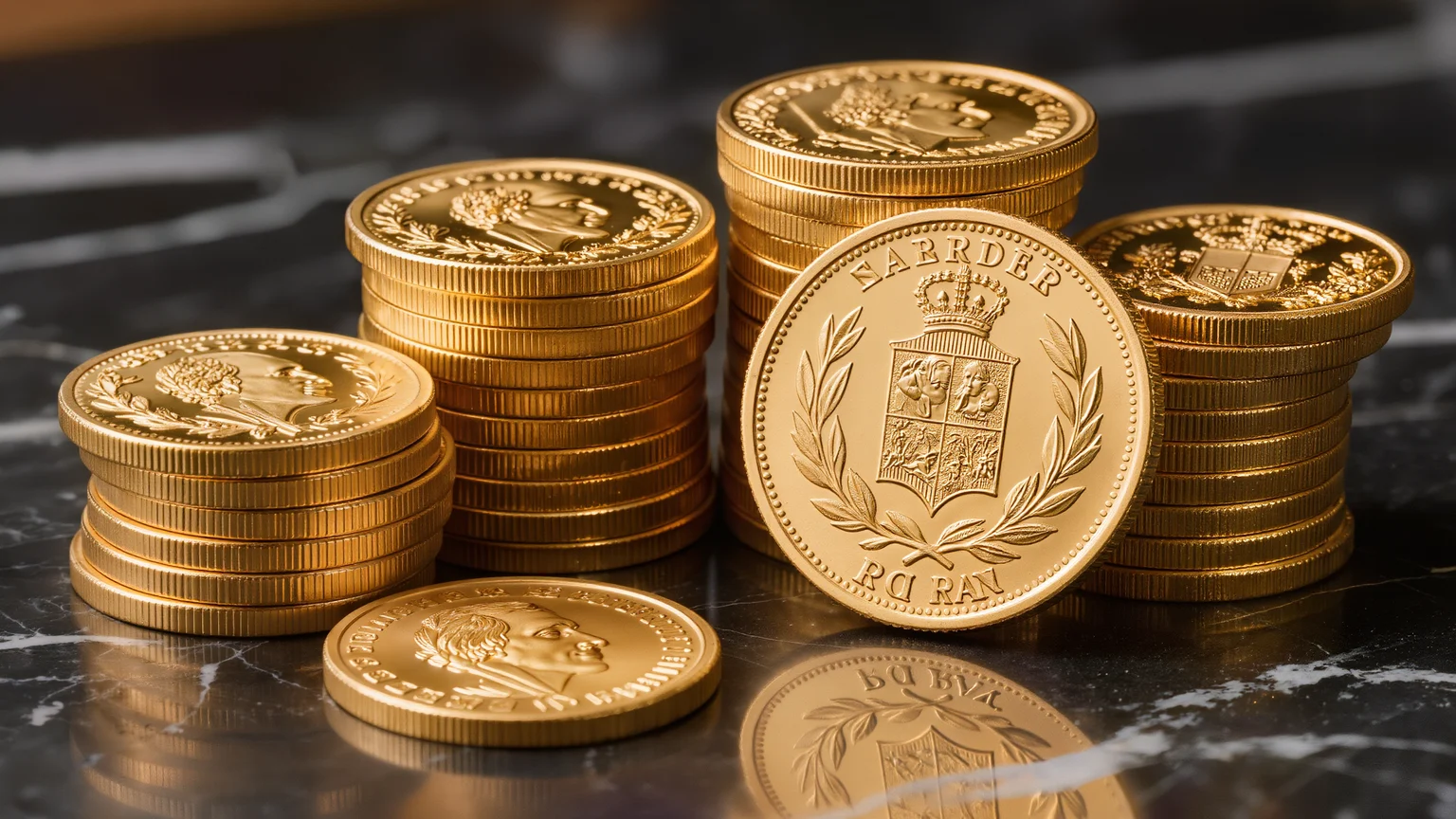

Sie möchten also in die Welt des Goldmünzensammelns eintauchen, oder Sie sind bereits dabei und möchten Ihren Horizont erweitern? Eine gute Wahl! Goldmünzen sind nicht nur glänzende Objekte, sie sind historische Artefakte, künstlerische Meisterwerke und häufig solide Kapitalanlagen. Wenn es um Beliebtheit bei Sammlern geht, setzen sich bestimmte Münzen wegen ihrer historischen Bedeutung, ihres künstlerischen Werts, ihrer Seltenheit und der allgemeinen Marktnachfrage immer wieder an die Spitze. Bereit zu erfahren, welche das sind? Werfen wir einen Blick auf 8 beliebte Goldmünzen, die bei Sammlern besonders gefragt sind.
1. American Gold Eagle
Der American Gold Eagle ist ein echtes Schwergewicht unter den Anlage- und Sammlermünzen aus Gold. Seit seiner Einführung 1986 zählt er zu den weltweit bekanntesten und meistgehandelten Goldmünzen, und das aus gutem Grund. Gewicht und Feingehalt werden von der US-Regierung garantiert, was ein hohes Maß an Vertrauen und Liquidität schafft, das viele andere Münzen nicht erreichen.
Ein Symbol amerikanischer Stärke und Schönheit
Das Design des American Gold Eagle trägt wesentlich zu seiner Anziehungskraft bei. Auf der Vorderseite zeigt sich die ikonische, ganzfigurige Darstellung der Lady Liberty von Augustus Saint-Gaudens, die mit einer Fackel in der einen und einem Olivenzweig in der anderen Hand voranschreitet. Dieses Design, ursprünglich von 1907 bis 1933 auf dem 20-Dollar-Double-Eagle verwendet, gilt weithin als eines der schönsten Münzdesigns der amerikanischen Geschichte. Es vermittelt ein Gefühl von Größe und Optimismus, das bei Sammlern wie Anlegern gleichermaßen Anklang findet.
Die Rückseite der Münze, gestaltet von Miley Busiek, zeigt eine Adlerfamilie: ein männlicher Adler kehrt zu seinem Nest zurück, wo ein weiblicher Adler mit den Jungvögeln wartet. Diese Darstellung symbolisiert Familie, Stärke und Sicherheit und macht die Münze nicht nur zu einem Stück Metall, sondern zu einem Sinnbild bleibender Werte. Diese Verbindung aus historischer Kunstfertigkeit und bedeutungsvoller Symbolik macht den Gold Eagle zu einem sehr begehrten Stück.
Verschiedene Größen und Nennwerte
Ein praktischer Aspekt, der den American Gold Eagle so beliebt macht, ist seine Verfügbarkeit in mehreren Größen. Er ist in den Nennwerten 1 Feinunze, 1/2, 1/4 und 1/10 Feinunze erhältlich. Diese Flexibilität ermöglicht Sammlern mit unterschiedlichen Budgets die Teilnahme. Egal ob Sie eine größere Investition planen oder mit einem kleineren Erwerb beginnen möchten, es gibt einen American Gold Eagle, der zu Ihren Bedürfnissen passt. Die 1-Feinunzen-Münze ist das Arbeitspferd, doch die kleineren Bruchteile eignen sich hervorragend als Geschenk oder wenn Sie einfach etwas physisches Gold besitzen möchten, ohne viel Geld auszugeben.
Status als gesetzliches Zahlungsmittel und Feingehalt
Obwohl sein Nennwert deutlich unter dem inneren Goldwert liegt (die 1-Feinunzen-Münze hat beispielsweise einen Nennwert von 50 US-Dollar), gilt der American Gold Eagle in den Vereinigten Staaten als gesetzliches Zahlungsmittel. Das bedeutet nicht, dass man damit im Laden bezahlt, unterstreicht aber seinen offiziellen Status. Die Münze wird aus 22-karätigem Gold geprägt, also mit einem Feingehalt von 91,67 Prozent, der Rest besteht aus Silber und Kupfer. Diese Legierung macht die Münze widerstandsfähiger und kratzfester als reine 24-karätige Goldmünzen, was für Handhabung und Lagerung praktisch ist. Die US-Prägeanstalt garantiert Gewicht und Feingehalt der Münze, was Käufern zusätzliche Sicherheit gibt.
2. Canadian Gold Maple Leaf
Dem American Gold Eagle dicht auf den Fersen ist der Canadian Gold Maple Leaf. 1979 von der Royal Canadian Mint eingeführt, zählte er zu den ersten 24-karätigen Anlagemünzen, die breit für Anleger und Sammler verfügbar waren. Er etablierte sich rasch als weltweiter Standard für Goldreinheit.
Unerreichter Feingehalt
Das prägende Merkmal des Canadian Gold Maple Leaf ist sein außergewöhnlicher Feingehalt. Die Münzen werden aus 999,9er Feingold (99,99 Prozent) geprägt und zählen damit zu den reinsten Goldmünzen der Welt. Für Sammler und Anleger, denen der reine Goldgehalt wichtig ist, ist der Maple Leaf unangefochten führend. Dieser hohe Feingehalt macht die Münze allerdings auch sehr weich und anfällig für Kratzer, weshalb ein sorgfältiger Umgang unerlässlich ist. Viele Sammler schätzen diese Reinheit, da sie damit praktisch unverfälschtes Gold besitzen.
Ikonische Designelemente
Das Design des Gold Maple Leaf ist sofort wiedererkennbar. Die Vorderseite zeigt ein Bildnis von Königin Elizabeth II. (bald auch König Charles III.), ein gängiges Element auf Münzen des Commonwealth. Über die Jahre wurden verschiedene Bildnisse der Königin verwendet, was für aufmerksame Sammler feine Unterschiede schafft.
Die von George E. Kruger Gray gestaltete Rückseite zeigt stolz Kanadas Nationalsymbol: das einzelne Ahornblatt. Dieses schlichte, aber elegante Design ist weltweit beliebt und steht für die natürliche Schönheit und das kulturelle Erbe Kanadas. Die feinen Details des Ahornblatts, oft mit außergewöhnlicher Schärfe geprägt, zeugen von der Handwerkskunst der Royal Canadian Mint. Das Design ist weitgehend unverändert geblieben und damit eine verlässliche, vertraute Wahl.
Sicherheitsmerkmale
In den vergangenen Jahren hat die Royal Canadian Mint moderne Sicherheitsmerkmale in den Gold Maple Leaf integriert, um Fälschungen entgegenzuwirken. Dazu zählen eine mikrogravierte Strahlenlinienstruktur, die ein faszinierendes Muster von Linien erzeugt, das vom Münzzentrum ausgeht, sowie ein kleines, lasergraviertes Ahornblatt-Zeichen mit den letzten beiden Ziffern des Prägejahres. Diese Merkmale erhöhen nicht nur die Sicherheit der Münze, sondern fügen auch eine Ebene feiner Details hinzu, die Sammler schätzen und die die Echtheit der Münze unterstreichen.
Weltweite Anerkennung und Liquidität
Ebenso wie der American Gold Eagle verfügt der Canadian Gold Maple Leaf über eine ausgezeichnete Liquidität auf dem Weltmarkt. Sein hoher Feingehalt und die durchgängige Produktion durch eine staatliche Prägeanstalt machen ihn weltweit leicht kauf- und verkaufbar. Das macht ihn zu einer praktischen Wahl für alle, die ihr Gold künftig verkaufen möchten, da er von Händlern in vielen Ländern anerkannt und akzeptiert wird.
3. South African Krugerrand
Spricht man über beliebte Goldmünzen, darf der South African Krugerrand auf keiner Liste fehlen. Er nimmt einen besonderen Platz in der Geschichte ein als die ursprüngliche moderne Anlagemünze aus Gold. Erstmals 1967 geprägt, ebnete er den Weg für andere staatliche Prägeanstalten, eigene Anlagemünzen herauszugeben, und machte den Goldbesitz für die breite Bevölkerung zugänglich.
Wegbereitende Anlagemünze
Vor dem Krugerrand bedeutete eine Goldanlage meist den Kauf von Goldbarren, die für Privatanleger weniger zugänglich waren. Der Krugerrand änderte das. Er wurde eigens entwickelt, um südafrikanisches Gold zu vermarkten und Privatpersonen den Besitz von physischem Gold in einem bequemen, wiedererkennbaren Münzformat zu ermöglichen. Sein anfänglicher Erfolg ebnete anderen Ländern den Weg, eigene Anlagemünzen zu prägen, und prägte die Landschaft der Goldanlage nachhaltig. Dieser innovative Ansatz macht ihn historisch bedeutsam.
Unverwechselbares Design und Feingehalt
Die Vorderseite des Krugerrand zeigt das Profil von Paul Kruger, einer bedeutenden südafrikanischen politischen Figur und ehemaligem Präsidenten der Südafrikanischen Republik, daher der Namensbestandteil „Kruger". Die Rückseite zeigt eine Springbock-Antilope, das Nationaltier Südafrikas, die anmutig über die Landschaft springt. Diese markante Darstellung verleiht der Münze ein unverwechselbares Erscheinungsbild, das sie von anderen Anlagemünzen abhebt.
Der Krugerrand wird aus 22-karätigem Gold mit einem Feingehalt von 91,67 Prozent geprägt, ähnlich dem American Gold Eagle. Der Kupferanteil verleiht ihm einen leicht rötlichen Schimmer, den viele Sammler ansprechend finden. Diese Legierung trägt zudem zu seiner Widerstandsfähigkeit bei und macht ihn im Vergleich zu 24-karätigen Münzen abnutzungsresistenter. Auch wenn er nicht so rein ist wie der Maple Leaf, ist diese Robustheit für manche ein zusätzlicher Vorteil.
Gesetzliches Zahlungsmittel und umstrittene Geschichte
Der Krugerrand gilt zwar in Südafrika als gesetzliches Zahlungsmittel, trägt jedoch keinen Nennwert. Sein Status als gesetzliches Zahlungsmittel bezieht sich stattdessen auf seinen Goldgehalt. Das war eine bewusste Entscheidung, um seinen Wert als Goldware statt als Währung mit festem Nennwert zu betonen.
Die Geschichte des Krugerrand ist eng mit der Apartheid-Ära Südafrikas verknüpft. Von den späten 1970er- bis in die frühen 1990er-Jahre verboten viele westliche Länder im Rahmen von Wirtschaftssanktionen gegen das Apartheidregime die Einfuhr von Krugerrand-Münzen. Diese umstrittene Phase trug paradoxerweise zu seiner Bekanntheit bei, da er zu einem Symbol politischen Handelns wurde. Nach dem Ende der Apartheid wurden die Sanktionen aufgehoben, und der Krugerrand wurde wieder weltweit gehandelt. Seine Geschichte verleiht ihm eine erzählerische Tiefe, die aufmerksame Sammler häufig schätzen, wodurch er mehr ist als nur ein Stück Metall.
4. Austrian Philharmonic
Der Austrian Philharmonic, oft schlicht „Philharmoniker" genannt, ist im Vergleich zum Krugerrand oder Maple Leaf ein relativ neuer Teilnehmer am Markt für Anlagemünzen, hat aber besonders in Europa rasch enorme Beliebtheit erlangt. Seit seiner Erstausgabe 1989 durch die Münze Österreich ist er für sein erlesenes Design und seinen reinen Goldgehalt bekannt.
Design als musikalisches Meisterwerk
Was den Austrian Philharmonic wirklich auszeichnet, ist sein beeindruckendes, einzigartiges Design, das Wiens reiches musikalisches Erbe würdigt. Die Vorderseite zeigt die große Orgel des Goldenen Saals im Wiener Musikverein, der Heimat der Wiener Philharmoniker. Diese prächtige, detailreiche Darstellung vermittelt architektonische Pracht und Musikalität.
Die Rückseite zeigt ein Arrangement verschiedener Orchesterinstrumente, darunter ein Cello, vier Violinen, ein Fagott und eine Harfe, als Sinnbild der Wiener Philharmoniker. Diese künstlerische Darstellung würdigt eines der weltweit berühmtesten und angesehensten Orchester. Die feine Detailarbeit und der künstlerische Wert dieser Gestaltung heben den Philharmoniker von vielen anderen Anlagemünzen ab und machen ihn besonders für Sammler attraktiv, die feine Kunst und Kultur schätzen. Es ist eine Goldmünze, die eine Geschichte von Musik und Tradition erzählt.
Reingold und Nennwerte
Der Austrian Philharmonic wird aus 24-karätigem Gold geprägt, also mit einem Feingehalt von 999,9 Tausendstel (99,99 Prozent). Dieser hohe Feingehalt stellt ihn neben den Canadian Gold Maple Leaf als eine der reinsten verfügbaren Optionen, was für viele Sammler und Anleger ein wichtiger Anreiz ist. Die Münze ist in mehreren Nennwerten erhältlich, darunter 1 Feinunze, 1/2, 1/4, 1/10 und sogar 1/25 Feinunze. Diese Bandbreite macht ihn für ein breiteres Publikum zugänglich und erlaubt sowohl kleine Einstiege als auch größere Investitionen.
Europas beliebteste Goldmünze
Der Philharmoniker ist seit vielen Jahren die meistverkaufte Anlagemünze aus Gold in Europa. Seine Beliebtheit ist besonders stark innerhalb der Europäischen Union, wo er in Euro notiert wird (ursprünglich, vor der Euro-Einführung, in österreichischen Schilling). Das macht ihn zu einer bequemen, vertrauten Wahl für europäische Anleger und Sammler. Sein einfacher Handel und die durchgängige Nachfrage auf dem gesamten Kontinent festigen seinen Status als beständig beliebte Wahl. Diese starke regionale Präferenz trägt zusätzlich zu seiner Liquidität und Bekanntheit bei.
5. British Sovereign
Der British Sovereign ist ein echter Klassiker unter den Goldmünzen mit einer über 200-jährigen Geschichte. Es ist eine Münze voller Tradition, historischer Bedeutung und bleibender künstlerischer Qualität, was sie zu einem beständigen Favoriten unter Sammlern macht. Obwohl er im modernen Sinne keine Anlagemünze ist, historisch war er Umlaufwährung, ist er wegen seines Goldgehalts und seiner reichen Geschichte sehr gefragt.
Ein tiefes historisches Erbe
Erstmals 1817 in seiner modernen Form geprägt, wird der Sovereign seither fast ununterbrochen von der Royal Mint hergestellt. Er zirkulierte als gesetzliches Zahlungsmittel im gesamten britischen Empire, war Zeuge unzähliger historischer Ereignisse und über Jahrhunderte Teil des Welthandels. Einen Sovereign in der Hand zu halten gleicht dem Halten eines Stücks Geschichte, das eine Verbindung zu vergangenen Generationen schafft. Seine lange Produktionsgeschichte und die Verbindung zu einem mächtigen Weltreich machen ihn für Sammler weltweit besonders bedeutsam.
Ikonisches Design mit dem Heiligen Georg und dem Drachen
Das berühmteste und beständigste Design auf der Rückseite des British Sovereign ist Benedetto Pistruccis eindrucksvolle Darstellung des Heiligen Georg im Kampf mit dem Drachen. Dieses äußerst detailreiche und dynamische Bild gilt als Meisterwerk der numismatischen Kunst. Der sich in Todesqualen windende Drache unterliegt der Lanze des Heiligen Georg, ein kraftvolles Symbol für den Sieg des Guten über das Böse. Dieses Design fasziniert Sammler seit Jahrhunderten und ist bei den meisten modernen Ausgaben weitgehend unverändert geblieben, wenngleich es Varianten gibt, etwa mit heraldischen Wappenschilden.
Die Vorderseite des Sovereign zeigt stets ein Bildnis des amtierenden Monarchen. Im Laufe seiner langen Geschichte waren dies Könige und Königinnen wie George IV., Victoria, Edward VII., George V., George VI., Elizabeth II. und nun König Charles III. Die wechselnden Monarchenporträts schaffen eine zusätzliche Sammlerdimension, da jede Ära ein neues Porträt mit sich bringt.
Status als gesetzliches Zahlungsmittel und Feingehalt
Der British Sovereign hat einen Nennwert von einem britischen Pfund als gesetzliches Zahlungsmittel, obwohl sein innerer Goldwert deutlich höher liegt. Er wird, wie der American Gold Eagle und der Krugerrand, aus 22-karätigem Gold (91,67 Prozent Feingehalt) geprägt, was ihn robust in der Handhabung macht. Das genaue Goldgewicht eines Sovereign beträgt 7,322 Gramm (beziehungsweise 0,2354 Feinunzen). Dieses gleichbleibende Gewicht und der garantierte Feingehalt der Royal Mint tragen zu seinem starken Ruf und seiner internationalen Anerkennung bei.
Hohe Sammelwürdigkeit und Anlagepotenzial
Über seinen Goldgehalt hinaus wird der British Sovereign auch für seinen numismatischen Wert geschätzt. Unterschiedliche Monarchen, Münzzeichen, die die Prägestätte angeben, etwa London, Sydney, Melbourne, Perth, Ottawa, Bombay oder Pretoria, sowie bestimmte Prägejahre können Seltenheit und Aufgeld einer Münze erheblich beeinflussen. Sammler suchen häufig gezielt nach bestimmten Jahrgängen oder Varianten, um Serien zu vervollständigen oder seltene Stücke zu erwerben. Seine lange Geschichte, sein schönes Design und die gelegentliche Seltenheit machen ihn zu einem soliden Stück sowohl für Anleger, die stabile Goldwerte suchen, als auch für Sammler mit Leidenschaft für historische Münzen.
6. Chinese Gold Panda
Der Chinese Gold Panda sticht am Anlagemünzenmarkt durch seine fesselnden, jährlich wechselnden Designs mit seinem Namensgeber hervor. 1982 von der Volksbank von China eingeführt, ist er weltweit für seine künstlerische Schönheit und seinen einzigartigen Gestaltungsansatz bekannt.
Jährlich wechselnde Designs
Einer der Hauptgründe für die Beliebtheit des Chinese Gold Panda bei Sammlern ist die besondere Eigenschaft, das Pandadesign fast jedes Jahr zu ändern (mit wenigen Ausnahmen, etwa 2001 und 2002, als dasselbe Design verwendet wurde). Diese jährliche Abwechslung schafft eine spannende Herausforderung für Sammler, die eine vollständige Serie unterschiedlicher Pandadesigns zusammenstellen möchten. Jedes Jahr bringt eine neue Darstellung des charmanten Tieres, oft in verschiedenen Posen, von verspielten Jungtieren bis zu Erwachsenen beim Bambusknabbern. Dieses Bekenntnis zu künstlerischer Erneuerung unterscheidet ihn von vielen anderen Anlagemünzen mit statischem Design.
Kulturelle Bedeutung
Der Panda selbst ist ein starkes Nationalsymbol Chinas und steht für Frieden, Glück und Harmonie. Eine Gold-Panda-Münze zu besitzen bedeutet nicht nur, Gold zu besitzen, sondern ein Stück chinesischer Kultur und Kunst. Die Wertschätzung für den Panda in Verbindung mit den kunstvollen Designs macht diese Münzen besonders attraktiv, vor allem für alle, die sich für ostasiatische Kultur oder Wildtiere interessieren.
Feingehalt und Nennwerte
Chinese Gold Pandas werden aus 999er Feingold (99,9 Prozent) geprägt und bieten damit einen hohen Feingehalt. Ursprünglich waren sie in metrischen Gewichtseinheiten notiert (zum Beispiel 1, 1/2, 1/4, 1/10, 1/20 Feinunze). Seit 2016 stellte die chinesische Prägeanstalt jedoch auf Gramm-Nennwerte um und bietet Münzen in den Größen 30, 15, 8, 3 und 1 Gramm an, angepasst an internationale Maßstandards. Diese Änderung sorgte für zusätzliches Sammlerinteresse und markiert einen deutlichen Wendepunkt in der modernen Geschichte der Münze.
Vorderseite mit dem Himmelstempel
Die Vorderseite des Chinese Gold Panda zeigt durchgängig die Halle des Gebets für gute Ernten, Teil des historischen Himmelstempel-Komplexes in Peking. Dieses ikonische architektonische Meisterwerk ist ein Symbol des chinesischen Kulturerbes und bietet ein beständiges, wiedererkennbares Element als Gegengewicht zu den jährlich wechselnden Pandadesigns auf der Rückseite. Die detailreiche Darstellung des majestätischen Tempels ist ein weiterer Beleg für die künstlerische Qualität der Münze.
7. Australian Gold Kangaroo (auch Nugget genannt)
Der Australian Gold Kangaroo, mitunter noch unter seinem früheren Namen „Gold Nugget" bekannt, ist eine bedeutende und hoch angesehene Goldmünze der Perth Mint. Seit seiner Einführung 1987 ist er für seinen hohen Feingehalt, sein unverwechselbares Design und seine ausgezeichnete Prägequalität bekannt.
Jährlich wechselndes Wildtierdesign
Ähnlich wie beim Chinese Gold Panda ist ein wesentlicher Reiz für Sammler des Gold Kangaroo das jährlich wechselnde Design der Rückseite. Während die früheren Münzen Darstellungen berühmter australischer Goldnuggets zeigten, daher der Beiname „Nugget", präsentiert das Design seit 1990 jedes Jahr ein neues Bild des ikonischen australischen Kängurus. Das macht das Sammeln dieser Münzserie zu einem spannenden, lebendigen Unterfangen, da jedes Jahr eine neue künstlerische Interpretation von Australiens berühmtestem Beuteltier präsentiert wird. Von einzelnen Kängurus, die durch das Outback springen, bis zu niedlichen Paaren aus Jungtier und Muttertier sind die Designs durchweg ansprechend.
Unerreichter Feingehalt und Qualität
Der Australian Gold Kangaroo wird aus 999,9er Feingold (99,99 Prozent) geprägt und zählt damit zu den weltweit reinsten Anlagemünzen aus Gold. Die Perth Mint ist für ihre außergewöhnlichen Prägestandards bekannt und produziert Münzen von makelloser Qualität mit sehr detailreichen Prägungen und schönem Finish. Dieses Bekenntnis zu Reinheit und Handwerkskunst ist ein wichtiger Anreiz für anspruchsvolle Sammler und Anleger, denen der innere Wert und die ästhetische Wirkung ihres Goldes wichtig sind.
Gesetzliches Zahlungsmittel und Nennwerte
Die Gold-Kangaroo-Münzen sind in Australien gesetzliches Zahlungsmittel mit einem nominellen Nennwert. Sie sind in verschiedenen Größen erhältlich, darunter 1, 1/2, 1/4, 1/10 und 1/20 Feinunze. Die 1-Feinunzen-Münze ist die gängigste, doch die Bruchteile machen sie für unterschiedliche Budgets zugänglich. Neben diesen gängigen Größen gab die Perth Mint auch deutlich größere, beeindruckende Münzen heraus, darunter einen 1-Kilogramm-Gold-Kangaroo und sogar eine gewaltige 1-Tonnen-Goldmünze, was ihr einen Ruf für außergewöhnliche Dimensionen und Innovation einbrachte.
Vorderseite mit Königin Elizabeth II. (bald König Charles III.)
Die Vorderseite des Australian Gold Kangaroo zeigt ein Bildnis des amtierenden Monarchen, zunächst Königin Elizabeth II. Wie bei anderen Commonwealth-Münzen ändern sich diese Porträts über die Zeit. Der Übergang zum Bildnis von König Charles III. schafft für Sammler eine weitere historische Ebene und macht die älteren Designs mit Königin Elizabeth II. besonders. Die durchgängige Darstellung des Monarchen unterstreicht den Status als gesetzliches Zahlungsmittel und die staatliche Garantie durch die australische Regierung.
8. Mexican Gold Peso (Centenario, 20-Peso, 50-Peso)
Die Serie der Mexican Gold Peso, besonders der 50-Peso „Centenario", wird von Sammlern wegen ihrer beeindruckenden Schönheit, historischen Bedeutung und ihres beachtlichen Goldgehalts sehr geschätzt. Diese Münzen sind älter als viele moderne Anlagemünzen und für ihre künstlerische Gestaltung und historische Bedeutung bekannt.
Reiche Geschichte und ikonische Designs
Die Mexican Gold Peso wurden von der Casa de Moneda de México, einer der ältesten Prägeanstalten Amerikas, geprägt. Die berühmteste davon ist der 50-Peso „Centenario", erstmals 1921 geprägt zum 100. Jahrestag der mexikanischen Unabhängigkeit von Spanien. Sein Design ist wahrhaft prächtig und voller Symbolik.
Der majestätische Centenario (50 Peso)
Die Vorderseite des Centenario zeigt die „geflügelte Siegesgöttin", auch bekannt als „El Ángel de la Independencia" (Der Engel der Unabhängigkeit), eine majestätische Statue in Mexiko-Stadt. Sie wird mit einem Lorbeerkranz des Sieges in der einen und zerbrochenen Ketten in der anderen Hand dargestellt, ein Symbol der Freiheit. Im Hintergrund erheben sich die beiden bekannten mexikanischen Vulkane Popocatépetl und Iztaccíhuatl. Diese kraftvolle, ausdrucksstarke Darstellung macht ihn zu einer der schönsten je geprägten Münzen.
Die Rückseite zeigt das mexikanische Wappen, einen Adler auf einem Kaktus, der eine Schlange verspeist, umgeben von der Umschrift „ESTADOS UNIDOS MEXICANOS". Dieses Nationalsymbol unterstreicht die mexikanische Identität und Herkunft der Münze. Die beachtliche Größe und das Gewicht der 50-Peso-Münze (1,2057 Feinunzen reines Gold) machen sie zu einem sehr eindrucksvollen Sammlerstück.
Gesetzliches Zahlungsmittel und Feingehalt
Mexican Gold Pesos, einschließlich der 20- und 50-Peso-Münzen, sind in Mexiko gesetzliches Zahlungsmittel, wobei ihr innerer Goldwert den Nennwert bei Weitem übersteigt. Sie werden aus einer Legierung mit 90 Prozent Feingehalt (900er Feingold beziehungsweise 21,6 Karat) geprägt, der Rest ist Kupfer. Dieser Kupferanteil verleiht ihnen bemerkenswerte Widerstandsfähigkeit und einen markanten rötlichen Schimmer, den viele Sammler attraktiv finden. Auch wenn sie nicht 24-karätig sind, stellen sie durch ihr hohes Goldgewicht dennoch einen bedeutenden Goldbestand dar.
Bruchteil-Nennwerte
Neben dem ikonischen 50-Peso-Centenario suchen Sammler häufig auch die kleineren Nennwerte der Serie, etwa den 20-, 10-, 5-, 2,5- und 2-Peso. Diese kleineren Münzen teilen oft ähnliche, schöne Designelemente und bieten einen zugänglicheren Einstieg für Sammler, die den historischen und künstlerischen Wert schätzen, aber einen niedrigeren Preis bevorzugen. Der 20-Peso zeigt beispielsweise den aztekischen Kalenderstein, ein weiteres bedeutendes Stück mexikanischen Kulturerbes. Das Sammeln einer Bandbreite dieser historischen mexikanischen Goldmünzen bietet einen tiefen Einblick in numismatische Geschichte und Kunst.
Häufige Fragen
Welche beliebten Goldmünzen gibt es für Sammler?
Zu den beliebten Goldmünzen für Sammler zählen der American Eagle, der Canadian Maple Leaf, der South African Krugerrand, der Austrian Philharmonic und die British Britannia.Welche Faktoren beeinflussen den Wert einer Goldmünze für Sammler?
Der Wert einer Goldmünze für Sammler wird durch Faktoren wie Seltenheit, Erhaltungszustand, historische Bedeutung und Marktnachfrage bestimmt.Wo können Sammler Goldmünzen kaufen?
Sammler können Goldmünzen bei seriösen Händlern, Auktionshäusern und auf spezialisierten Online-Marktplätzen für Numismatik erwerben.Wie sollten Sammler ihre Goldmünzen lagern und pflegen?
Sammler sollten ihre Goldmünzen sicher und kontrolliert aufbewahren, etwa in einem Safe oder Bankschließfach, um sie vor Beschädigung und Diebstahl zu schützen. Zudem sollten Goldmünzen mit sauberen Händen angefasst und übermäßiges Berühren vermieden werden, um Anlaufen zu verhindern.Gibt es Risiken beim Sammeln von Goldmünzen?
Zu den Risiken beim Sammeln von Goldmünzen zählen mögliche Fälschungen, Schwankungen des Goldpreises am Markt sowie die Notwendigkeit, wertvolle Sammlungen angemessen zu versichern.Mehr aus Blog
7 Fehler, die Anfänger beim Goldkauf vermeiden sollten
Sie überlegen, in die Welt des Goldbesitzes einzusteigen? Eine kluge Entscheidung. Gold gilt seit jeher aus gutem Grund als verlässliches…
10 Dinge, die Sie vor dem Kauf von Goldbarren wissen sollten
Sie überlegen also, in die Welt der Goldbarren einzusteigen? Eine kluge Entscheidung: Gold ist ein greifbarer Vermögenswert, ein klassisches Mittel…
8 Vorteile von physischem Gold gegenüber Papiergold
Vermutlich fragen Sie sich, worin der eigentliche Unterschied zwischen physischem Gold und all den digitalen und papierbasierten Alternativen…