8 Gründe, warum Anleger Gold und Silber kombinieren
So, you’re thinking about dipping your toes into the precious metals market, and you’ve heard whispers about gold and silver. Maybe you’re wondering if you should…
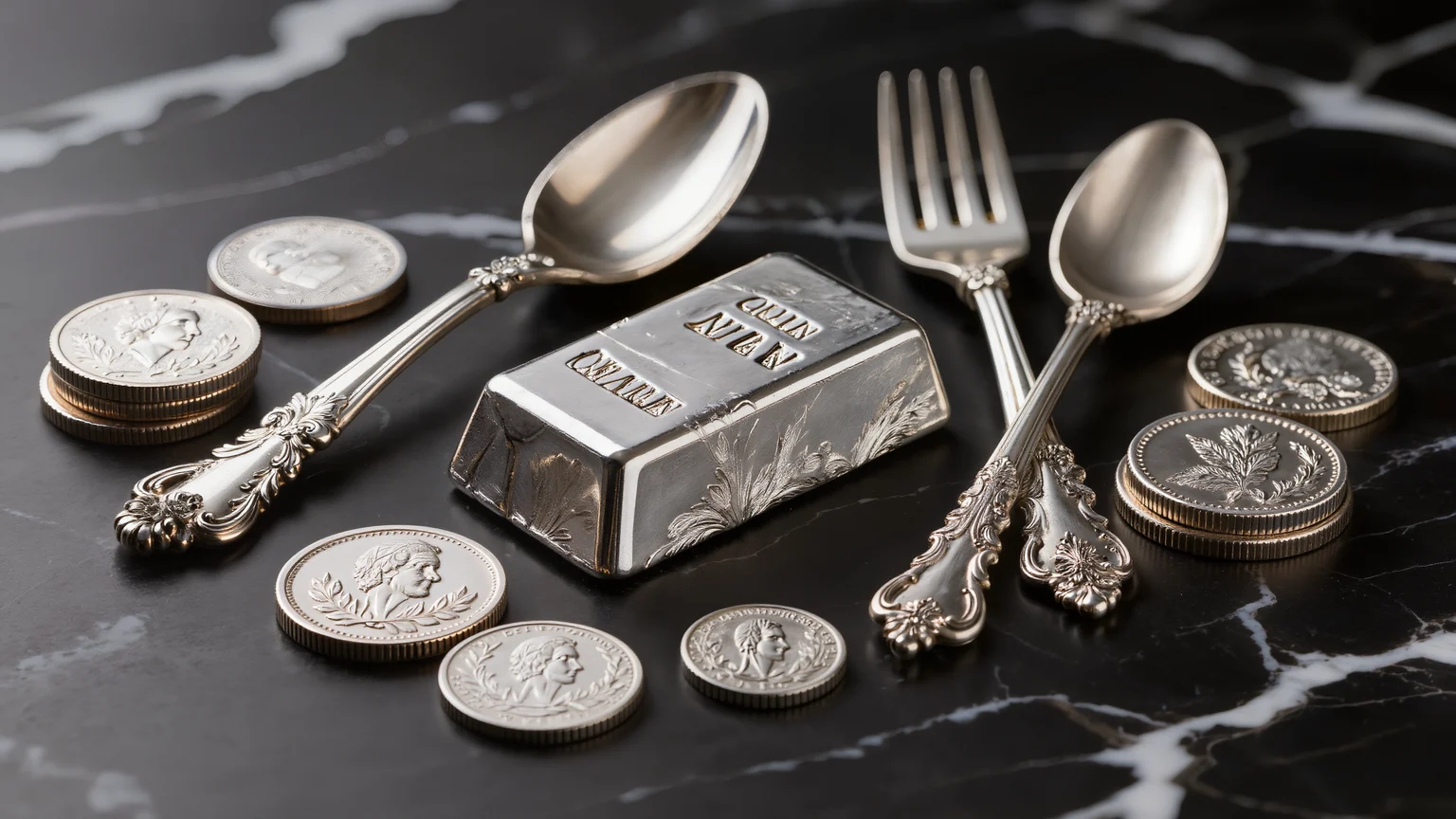
So, you’re thinking about dipping your toes into the precious metals market, and you’ve heard whispers about gold and silver. Maybe you’re wondering if you should pick one, or if there’s something to be said for having both in your portfolio. Well, you’re in the right place. In a nutshell, combining gold and silver can give you a more balanced and potentially more robust approach to investing in precious metals, offering a blend of stability, growth potential, and hedging capabilities. It’s not just about having shiny things; it’s a strategic move that smart investors consider for various, often interconnected, reasons.
When it comes to investing, a classic piece of advice is diversification. This means spreading your investments across different asset classes so that if one performs poorly, the others can hopefully cushion the blow. Gold and silver, while both precious metals, don’t always move in perfect lockstep. This is a key reason why combining them can be a smart move for diversification.
Gold’s Steady Influence
Gold has long been seen as a safe-haven asset. In times of economic uncertainty, inflation fears, or geopolitical turmoil, investors often flock to gold. This is because gold tends to hold its value, or even appreciate, when other assets like stocks and bonds might be struggling. Think of it as the reliable anchor in your investment portfolio. It’s not typically the asset that shoots the lights out with meteoric gains, but it’s often the one that keeps your overall investment boat from capsizing when the seas get rough.
Silver’s Volatile Potential
Silver, on the other hand, is often described as „gold’s more volatile cousin.“ While it also acts as a store of value and a hedge against inflation, silver has a dual nature. It’s both a precious metal and an industrial commodity. This means its price is influenced not only by investor demand during uncertain times but also by the demand from industries like electronics, solar power, and automotive manufacturing.
Industrial Demand Boost
When economies are growing and industrial production is on the rise, the demand for silver can surge. This can lead to periods where silver outperforms gold. So, while gold might be steadying the ship, silver has the potential to really push it forward when economic conditions are favorable.
The Synergy of Combining
By holding both, you’re not solely reliant on gold’s defensive qualities or silver’s growth potential. You get a bit of both. When gold is rising due to safe-haven demand, your gold holdings are doing well. If silver is experiencing a price surge due to strong industrial demand, your silver holdings are benefiting. And when one is underperforming, the other might be holding steady or even gaining, thus reducing the overall volatility of your precious metals allocation. It’s like having two different engines working for you, each with its own strengths.
2. The Gold-Silver Ratio: A Strategic Indicator
The gold-silver ratio is a fascinating metric that investors often use to gauge the relative value of gold compared to silver. It’s simply calculated by dividing the price of an ounce of gold by the price of an ounce of silver. For example, if gold is trading at $2,000 per ounce and silver is trading at $25 per ounce, the ratio is 80:1. Historically, this ratio has fluctuated significantly.
Understanding Historical Trends
Over long periods, the gold-silver ratio has averaged around 50:1 to 60:1. This suggests that, on average, it takes about 50 to 60 ounces of silver to equal the value of one ounce of gold. When the ratio is high (meaning gold is much more expensive relative to silver than average), it historically suggests that silver might be undervalued. Conversely, when the ratio is low, it could indicate that silver is relatively overvalued, or gold is relatively undervalued.
Tactical Investment Opportunities
Smart investors often use this ratio to make tactical decisions about their holdings. If the ratio is unusually high, they might consider increasing their allocation to silver, anticipating that it will eventually revert to its historical average and outperform gold from that point. Conversely, if the ratio is very low, they might shift more towards gold, expecting silver to potentially correct downwards or gold to catch up. This isn’t about predicting the future with certainty, but about understanding historical statistical tendencies and using them to inform your asset allocation.
Buying Silver on „Sale“
Think of it like this: if a high-quality item is on sale relative to another similar item, it might be a good time to buy the sale item. The gold-silver ratio helps identify when silver might be on „sale“ relative to gold.
Hedging with the Ratio
Even if you’re not actively trading based on the ratio, understanding it can still inform your decision to hold both. It acknowledges that while gold is often viewed as the primary safe haven, silver can offer attractive growth opportunities when its price is historically depressed relative to gold. This dual approach allows you to capture potential upside from both metals.
3. Inflation Hedging: Protecting Your Purchasing Power
Inflation is that sneaky force that erodes the purchasing power of your money over time. When the cost of goods and services rises, your dollars buy less than they used to. Both gold and silver have historically been considered effective hedges against inflation, but they can offer different layers of protection.
Gold’s Traditional Role
Gold has a long-standing reputation as an inflation hedge. As fiat currencies (like the US dollar, Euro, etc.) lose value due to increased money printing or other inflationary pressures, gold’s intrinsic value, which is not tied to any single government’s policy, tends to hold up. Investors turn to gold when they fear their cash savings will be worth less tomorrow than they are today. It’s a way to preserve the wealth you’ve accumulated.
Silver’s Dual Protection
Silver also offers inflation protection, but it’s amplified by its industrial use. When inflation is high, the price of almost everything tends to rise, including raw materials and manufactured goods. Since silver is used in so many industrial processes, its price can benefit from the general trend of rising prices, not just from its safe-haven appeal.
The „Real“ Value Anchor
In an inflationary environment, investors often look for assets that hold their „real“ value, meaning their value adjusted for inflation. Gold is seen as a primary store of real value. Silver, by its nature as both a monetary metal and a commodity, can also preserve purchasing power, and its industrial demand can give it an extra push when inflation is driven by economic activity.
A More Robust Hedge
By holding both, you’re creating a more robust inflation hedge. If inflation is driven by currency devaluation and a flight to safety, gold will likely perform well. If inflation is accompanied by robust economic activity and rising commodity demand, silver might outperform or at least strongly complement gold’s performance. It’s like having two different types of fire extinguishers, one for a grease fire and one for an electrical fire, providing broader protection against different forms of economic „heat.“
4. Liquidity and Accessibility: Easier to Buy and Sell
When considering any investment, liquidity is crucial. This refers to how easily and quickly you can convert an asset into cash without significantly affecting its price. Both gold and silver are generally considered liquid assets, and having both can enhance this aspect of your portfolio.
Gold’s Established Market
Gold has one of the oldest and most established global markets. Whether you’re looking to buy or sell physical gold (coins, bars) or paper gold (ETFs, futures), there’s always a buyer or seller. This deep market liquidity means you can typically enter or exit your gold positions with relative ease and at transparent prices.
Silver’s Widespread Use
Silver also enjoys considerable liquidity. Its widespread industrial use means there’s constant demand from manufacturers, which contributes to a robust trading market. While perhaps not always as liquid as gold on a pure percentage basis for very large transactions, silver is still highly accessible for most individual investors.
Smaller Investment Thresholds
One of the practical advantages of combining gold and silver, especially for smaller investors, is that silver typically has a lower per-unit price than gold. This means you can acquire a meaningful amount of silver with a smaller capital outlay than you would need for an equivalent value of gold. For example, buying a few ounces of silver is far more affordable than buying a single ounce of gold.
Portfolio Flexibility
By holding both, you gain flexibility. If you need to raise cash quickly, you can sell a portion of your silver holdings, which might be easier to do in smaller increments at a lower cost basis. If you have larger sums to deploy or want to tap into the more established safe-haven appeal, you can use your gold. This allows you to tailor your cash-raising efforts to the specific needs and market conditions you face. It’s about having options and not being pigeonholed into a single method of accessing your capital.
5. Enhancing Potential Returns: Capturing Upside
While gold is often prized for its stability, silver can provide a significant boost to potential returns within a precious metals portfolio. The differing dynamics of the gold and silver markets offer opportunities to capture upside in various economic scenarios.
Silver’s Magnitude of Moves
Because silver is a smaller market than gold, and its price is influenced by both investment and industrial demand, it can experience more dramatic price swings. When silver is in a bull market, the percentage gains can often be significantly higher than those seen in gold during the same period. This is a key reason why investors who are seeking higher growth potential might allocate a portion of their capital to silver.
Leverage Effect
Some analysts refer to this as a „leveraged“ effect of gold. When demand for precious metals generally increases (often driven by similar macro-economic factors), silver can amplify those gains. For instance, if gold goes up by 10%, silver might go up by 15% or more under certain conditions. This isn’t guaranteed, of course, but it’s a historical pattern that plays out.
Capturing Cyclical Strength
Silver’s industrial demand means it can perform exceptionally well during periods of economic expansion. As economies grow, demand for electronics, electric vehicles, and renewable energy (all using silver) increases. This can lead to periods where silver is outperforming gold due to these specific industrial tailwinds, even if gold is still performing respectably as a safe haven.
A More Dynamic Portfolio
By combining gold and silver, you are essentially building a precious metals portfolio that is not only defensive but also has a higher potential for capital appreciation. You get the steadying influence of gold, and you give yourself the opportunity to benefit from silver’s more pronounced upward price movements, whether driven by monetary factors or industrial strength. It’s about creating a more dynamic asset allocation that can perform well across different market cycles, aiming for both preservation of capital and growth.
6. Comprehensive Portfolio Protection: A Multi-Layered Defense
When you’re looking at investing in precious metals, the ultimate goal for many is to create a robust shield for their wealth. Combining gold and silver offers a more comprehensive, multi-layered defense against various economic threats compared to holding only one.
Beyond a Single Threat
The economic landscape is complex. You might face inflation, currency devaluation, stock market crashes, geopolitical instability, or a combination of these. Relying on a single asset to protect you from all these potential risks is like bringing only one tool to a multi-tool job. Gold is excellent against currency devaluation and general economic dread. Silver is good against those, but also benefits from industrial demand, which might be strong even when other parts of the economy are shaky.
Diversification of Risk Factors
By holding both, you’re diversifying the risk factors that your precious metals allocation is susceptible to. Gold is primarily influenced by monetary policy and safe-haven demand. Silver is influenced by monetary policy, safe-haven demand, and industrial supply and demand dynamics. This means your portfolio can remain resilient even if only one of these drivers is performing poorly.
Complementary Strengths in Different Scenarios
Consider these hypothetical scenarios:
- Scenario A: Hyperinflationary Crisis: Money printing is rampant, confidence in fiat currency collapses. Gold’s role as a store of value will be paramount. Silver will likely follow, but its industrial component might be less relevant as the global economy grinds to a halt. Your gold is the hero here.
- Scenario B: Strong Economic Recovery Post-Recession: As economies rebound, industrial production soars. Demand for silver skyrockets in sectors like solar power, electronics, and electric vehicles. Gold might also perform well as a safe haven, but silver’s industrial demand can give it an additional, perhaps stronger, upward thrust. Your silver shines here.
- Scenario C: Geopolitical Uncertainty & Mild Inflation: Tensions rise globally, but the economy isn’t collapsing. Gold typically benefits significantly as a safe haven. Silver also benefits, but the industrial demand aspect might be less of a primary driver, acting more as a steadying force. Both contribute positively.
A More Resilient Foundation
When you combine them, your precious metals holdings are better equipped to handle a wider range of adverse economic conditions. It’s not about picking the „best“ metal for every situation; it’s about understanding that they excel in different, sometimes overlapping, aspects of wealth preservation and growth. This blend creates a more resilient foundation for your portfolio, offering a more complete form of protection.
FAQs
1. Why do investors combine gold and silver in their portfolios?
Investors combine gold and silver in their portfolios to diversify their holdings and reduce overall risk. Both precious metals have historically served as a hedge against inflation and economic uncertainty, making them attractive options for investors looking to protect their wealth.2. What are the advantages of combining gold and silver in an investment portfolio?
Combining gold and silver in an investment portfolio can provide a balanced approach to precious metal investing. Gold is often seen as a store of value and a safe haven asset, while silver has industrial uses and can benefit from economic growth. This combination can offer stability and potential for growth.3. How do gold and silver prices typically behave in relation to each other?
Gold and silver prices often move in the same direction, but silver tends to be more volatile and can experience larger price swings compared to gold. However, during periods of economic expansion, silver prices may outperform gold due to its industrial demand.4. What are the potential risks of combining gold and silver in an investment portfolio?
One potential risk of combining gold and silver in an investment portfolio is the volatility of silver prices, which can lead to larger fluctuations in the overall value of the portfolio. Additionally, both metals are subject to market and geopolitical risks that can impact their prices.5. How can investors effectively combine gold and silver in their portfolios?
Investors can effectively combine gold and silver in their portfolios by determining the appropriate allocation for each metal based on their investment goals, risk tolerance, and market conditions. This can be achieved through direct ownership of physical metals, exchange-traded funds (ETFs), or precious metal mining stocks.Mehr aus Blog
7 Fehler, die Anfänger beim Goldkauf vermeiden sollten
Alright, thinking about dipping your toes into the world of gold ownership? Smart move. Gold’s been a reliable store of value for ages, and for …
10 Dinge, die Sie vor dem Kauf von Goldbarren wissen sollten
Alright, so you’re thinking about dipping your toes into the world of gold bars. Smart move! It’s a tangible asset, a classic way to diversify, …
8 Vorteile von physischem Gold gegenüber Papiergold
You’re probably wondering what the big deal is with physical gold versus all the digital and paper options out there. Simply put, physical gold …