8 Gründe, warum Gold generationenübergreifend beliebt ist
Warum ist Gold seit so vielen Generationen, über so viele Völker und Zeitalter hinweg, ein derart beständiges Thema? Die Antwort liegt in einigen wenigen, praktischen Gründen, die bis heute…
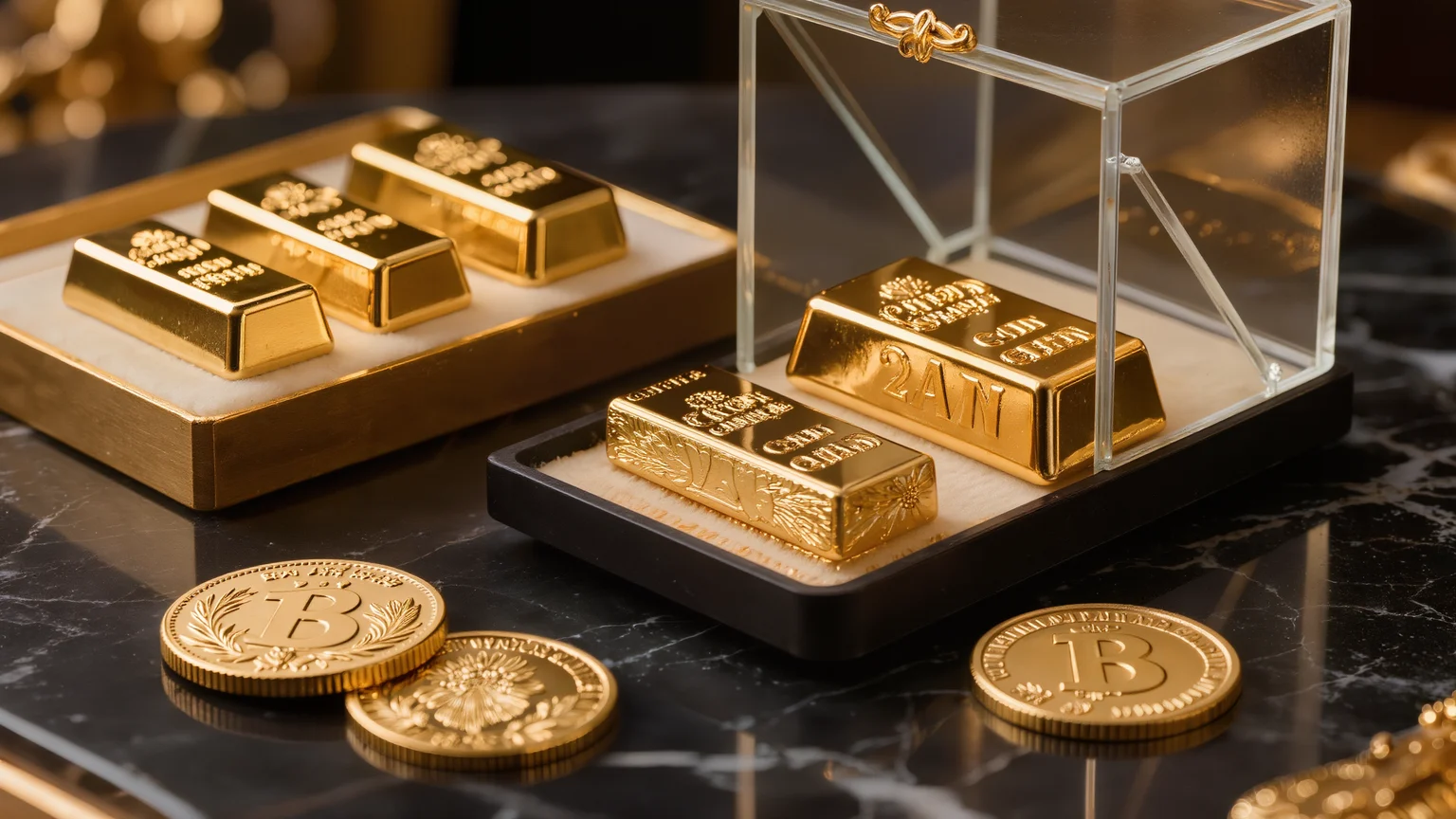

Warum ist Gold seit so vielen Generationen, über so viele Völker und Zeitalter hinweg, ein derart beständiges Thema? Die Antwort liegt in einigen wenigen, praktischen Gründen, die bis heute nachwirken. Betrachten Sie es als das Schweizer Taschenmesser unter den Wertanlagen: Es erfüllt viele verschiedene Aufgaben, und das seit Jahrtausenden zuverlässig. Ob Ihre Urgroßeltern es einst beiseitegelegt haben oder Sie selbst gerade über Ihre finanzielle Zukunft nachdenken, die Faszination beruht nicht allein auf seinem Glanz. Es geht darum, wofür Gold steht und was es leistet.
1. Der Faktor „Es behält einfach seinen Wert"
Das ist wohl der Grund, den man am häufigsten hört. Gold gilt als sichere Wahl, wenn andere Dinge es nicht sind. Was bedeutet das in der Praxis?
Historische Beständigkeit
Seien wir ehrlich: Die wenigsten Anlageformen, die uns einfallen, gibt es schon seit Jahrhunderten. Aktien, Anleihen, selbst die Währungen ganzer Nationen sind gekommen und gegangen. Gold hingegen gilt seit praktisch jeher als anerkannter Wertspeicher. Das ist keine bloße Anekdote: Über lange Zeiträume hat Gold seine Kaufkraft beständig bewahrt. Es lässt Ihr Geld nicht auf magische Weise wachsen wie manche wachstumsstarke Aktie, aber es verschwindet auch weitaus seltener oder wird wertlos. Betrachten Sie es als das Fundament Ihres Vermögens.
Inflationsschutz
Hier zeigt Gold seine Stärke besonders deutlich, wenn es in der Wirtschaft holprig wird. Steigen die Kosten für Waren und Dienstleistungen des täglichen Bedarfs, also die Inflation, kauft das Geld auf Ihrem Konto immer weniger. Gold hingegen verhält sich meist genau umgekehrt. Verliert Papiergeld an Wert, steigt häufig der nominale Goldpreis. Es ist kein perfekter Zusammenhang, aber historisch betrachtet hat sich Gold als recht verlässlicher Schutz erwiesen, um den realen Wert Ihrer Ersparnisse vor der Erosion durch Inflation zu bewahren. So wird Ihre Altersvorsorge nicht von steigenden Preisen ausgehöhlt.
Wahrgenommene Knappheit und Nachfrage
Gold ist von Natur aus knapp. Es lässt sich nicht einfach herbeizaubern. Der Abbau erfordert Aufwand und Ressourcen. Dieses begrenzte Angebot in Verbindung mit einer beständigen weltweiten Nachfrage, von Schmuck über Elektronik bis zur Geldanlage, schafft einen stabilen Grundwert. Anders als etwas, das in beliebiger Menge gedruckt oder hergestellt werden kann, ist die Knappheit von Gold ein grundlegendes Merkmal, das seiner dauerhaften Anziehungskraft zugrunde liegt.
2. Der Aspekt „Es ist tatsächlich nützlich"
Über seine Rolle als Wertspeicher und seine Schönheit hinaus hat Gold einige sehr überzeugende praktische Anwendungen, die die Nachfrage seit Jahrtausenden antreiben.
Industrielle Anwendungen
Man denkt bei einem Toaster nicht unbedingt an Gold, doch es steckt tatsächlich darin. Die hervorragende Leitfähigkeit und Korrosionsbeständigkeit von Gold machen es in der Elektronik unverzichtbar. Winzige Mengen Gold kommen in Steckverbindern und Leiterbahnen von Computern, Smartphones und anderen Hightech-Geräten zum Einsatz. Das ist kein flüchtiger Trend: Mit fortschreitender Technologie steigt der Bedarf an zuverlässigen, leistungsstarken Materialien wie Gold weiter an. Das schafft eine stetige, reale Nachfrage, die seinen Wert unabhängig von Anlagetrends stützt.
Medizinische Anwendungen
Die Biokompatibilität von Gold, also die Tatsache, dass es nicht negativ mit dem menschlichen Körper reagiert, macht es auch in der Medizin nützlich. Es kommt in bestimmten zahnmedizinischen Anwendungen zum Einsatz, und es wird an Gold-Nanopartikeln für die gezielte Medikamentenabgabe und medizinische Bildgebung geforscht. Auch wenn dies im Vergleich zu Elektronik oder Schmuck Nischenanwendungen sind, tragen sie zur Gesamtnachfrage nach Gold bei und bestärken seinen Status als wertvolles Material.
Katalysatoren
Es mag überraschen, aber Gold wird auch in Katalysatoren von Fahrzeugen eingesetzt. Es ist ein hochwirksamer Katalysator, der hilft, schädliche Abgase zu reduzieren. Das ist ein weiteres Beispiel dafür, wie die einzigartigen physikalischen Eigenschaften von Gold in wichtigen modernen Technologien genutzt werden und so für dauerhafte Nachfrage sorgen.
3. Das Erbe „Es ist schön und begehrt"
Lassen Sie uns das Offensichtliche nicht ignorieren. Gold besitzt eine ästhetische Anziehungskraft, die kaum zu überbieten ist. Das ist nicht bloß oberflächlich, sondern eng mit kultureller und historischer Bedeutung verbunden.
Zeitlose Ästhetik
Seit Jahrtausenden wird Gold mit Schönheit, Prestige und Göttlichkeit in Verbindung gebracht. Sein warmer Glanz und seine Farbe gefallen dem Auge, und es findet sich in Kunstwerken, Schmuck und religiösen Artefakten zahlloser Kulturen wieder. Diese tief verwurzelte kulturelle Wertschätzung sorgt dafür, dass Goldschmuck und dekorative Gegenstände auch in einer Welt flüchtiger Modetrends ihre Anziehungskraft behalten. Es ist klassisch, nicht kurzlebig.
Symbol für Status und Erfolg
Im Laufe der Geschichte war Gold stets ein Zeichen für Reichtum, Macht und Leistung. Von antiken Herrschern bis zu modernen Athleten, die Goldmedaillen erhalten, dient es seit jeher dazu, den höchsten Erfolg zu kennzeichnen. Diese symbolische Bedeutung ist tief in der menschlichen Psyche verwurzelt und trägt zur Begehrtheit von Gold als Geschenk, Belohnung oder persönliches Statement bei. Es ist eine greifbare Darstellung von etwas Besonderem.
Sentimentaler Wert
Über den finanziellen oder ästhetischen Wert hinaus trägt Gold oft ein erhebliches emotionales Gewicht. Ein von der Großmutter vererbtes Goldmedaillon, ein Ehering oder ein Schmuckstück, das einen besonderen Anlass markiert, solche Stücke werden mit Erinnerungen und Gefühlen aufgeladen. Diese emotionale Verbindung sorgt dafür, dass Gold weiterhin über Generationen hinweg weitergegeben wird, was seine generationenübergreifende Anziehungskraft verstärkt. Es ist nicht nur Metall, es ist ein Gefäß für Erinnerungen.
4. Die Bequemlichkeit „Es ist tatsächlich transportabel und teilbar"
Wenn man an die Aufbewahrung und Übertragung von Vermögen denkt, hat Gold tatsächlich einige praktische Vorteile, besonders im Vergleich zu, sagen wir, einer Truhe voller Goldmünzen aus vergangenen Jahrhunderten.
Einfacher Transport
Im Vergleich zu anderen wertvollen Rohstoffen ist Gold außerordentlich dicht und leicht zu transportieren. Eine kleine, verhältnismäßig leichte Menge Gold kann einen erheblichen Wert darstellen, was den Transport und die Sicherung im Vergleich etwa zu einer großen Menge Getreide oder Vieh erleichtert. Diese Transportierbarkeit war entscheidend für den Handel und für Menschen, die in unsicheren Zeiten ihr Vermögen schützen wollten. Sie können auf kleinstem Raum einen großen Wert mit sich führen.
Teilbarkeit und Austauschbarkeit
Gold lässt sich leicht in kleinere Einheiten aufteilen, etwa in Feinunzen, Gramm oder noch kleinere Bruchteile, und kann eingeschmolzen und neu geformt werden. Diese Teilbarkeit macht es praktisch für alltägliche Transaktionen, selbst wenn der Preis je Feinunze hoch ist. Zudem ist reines Gold weltweit im Wesentlichen standardisiert, das heißt, eine Feinunze Gold aus einem Land entspricht im Grunde einer Feinunze aus einem anderen Land, was es leicht übertragbar und akzeptiert macht. Diese weltweite Anerkennung ist der Schlüssel zu seinem dauerhaften Wert als Tauschmittel.
Feine Abstufung für die Geldanlage
Für moderne Anleger ist Gold in verschiedenen Formen erhältlich: als Barren, als Münzen und sogar als ETFs (börsengehandelte Fonds), die den Goldpreis abbilden. Das ermöglicht es, mit unterschiedlichen Kapitalbeträgen in Gold zu investieren, wodurch es für ein breiteres Publikum zugänglich wird. Man muss kein Millionär sein, um in Gold zu investieren, man kann mit kleineren, überschaubaren Beträgen beginnen.
5. Der Trost „Es ist eine greifbare Anlage, die man anfassen kann"
In einer zunehmend digitalen Welt liegt ein gewisser urtümlicher Trost darin, etwas Reales zu besitzen, etwas, das man in der Hand halten kann.
Physisches Eigentum und Kontrolle
Anders als digitale Vermögenswerte oder auch elektronisch gehaltene Aktien vermittelt physisches Gold ein unmittelbares Gefühl von Eigentum und Kontrolle. Man weiß, es ist da, im eigenen Besitz. Dieser greifbare Aspekt kann sehr beruhigend sein, besonders in Zeiten wirtschaftlicher oder politischer Instabilität, wenn das Vertrauen in digitale Systeme oder staatliche Versprechen ins Wanken gerät. Es ist eine physische Darstellung Ihrer finanziellen Sicherheit.
Unabhängigkeit von Finanzsystemen
Der Besitz von physischem Gold bietet ein Stück Unabhängigkeit von traditionellen Finanzinstituten und deren möglichen Schwachstellen. Zwar können Sie Ihre Stromrechnung nicht direkt mit einem Goldbarren bezahlen, doch ein Wertspeicher außerhalb des Bankensystems kann ein Schutz gegen Bankenpleiten, Währungsabwertungen oder andere systemische Risiken sein. Es ist ein Sicherheitsnetz, das nicht auf einen Dritten angewiesen ist.
Psychologische Sicherheit
Für viele Menschen, besonders für ältere Generationen, die möglicherweise Phasen erheblicher wirtschaftlicher Umbrüche miterlebt haben, stellt Gold eine grundlegende Form der Sicherheit dar. Es ist eine greifbare Anlage, die historisch gesehen Krisen überstanden hat, während andere Vermögenswerte das nicht taten. Dieser psychologische Trost ist ein starker Antrieb für seine anhaltende Beliebtheit. Es ist eine Möglichkeit, sich der eigenen Zukunft sicherer zu fühlen.
6. Das Sicherheitsnetz „Es war schon immer die globale Währung der letzten Instanz"
Betrachten Sie Gold als den ultimativen Notfallplan, wenn das Hauptsystem versagt.
Historische Rolle als Währung
Über weite Strecken der Menschheitsgeschichte diente Gold als de facto globale Währung. Es wurde im internationalen Handel eingesetzt und bildete die Grundlage für viele nationale Geldsysteme, den Goldstandard. Auch wenn wir heute nicht mehr nach dem Goldstandard verfahren, hat diese historische Rolle Gold tief in unser kollektives Verständnis von Vermögen und Wert eingeprägt. Es ist ein fest verankerter Teil unseres Denkens über Geld.
Krisenschutz
In Zeiten schwerer wirtschaftlicher Krisen, Hyperinflation oder geopolitischer Instabilität greifen Anleger und Privatpersonen häufig zu Gold. Es gilt als verlässliche Anlage, die ihren Wert behält, wenn Währungen zusammenbrechen oder Finanzmärkte ins Chaos geraten. Diese „Flucht in die Sicherheit" führt stets zu einer erhöhten Goldnachfrage und bestärkt seinen Status als Krisenschutz, eine Rolle, die es im Laufe der Geschichte immer wieder eingenommen hat. Es ist der ultimative Notgroschen.
Vorteile der Diversifikation
Für Anleger bietet Gold Diversifikation. Seine Preisbewegungen korrelieren oft nicht direkt mit Aktien oder Anleihen. Das bedeutet, dass die Beimischung von Gold zu einem Anlageportfolio das Gesamtrisiko verringern kann, denn wenn andere Anlagen fallen, hält sich Gold möglicherweise stabil oder steigt sogar, was die Wertentwicklung Ihres Portfolios glättet. Es ist eine Möglichkeit, Ihre Geldanlagen widerstandsfähiger zu machen.
Häufige Fragen
1. Was sind die historischen Gründe für die anhaltende Beliebtheit von Gold über Generationen hinweg?
Gold wird seit Jahrtausenden für seine Schönheit und Seltenheit geschätzt, was es in vielen Kulturen zu einem Symbol für Reichtum und Status gemacht hat. Seine Knappheit und Korrosionsbeständigkeit machen es zudem zu einem verlässlichen Wertspeicher, was zu seiner anhaltenden Beliebtheit über Generationen hinweg beigetragen hat.2. Wie dient Gold als Schutz vor Inflation und wirtschaftlicher Unsicherheit?
Gold gilt in Zeiten wirtschaftlicher Unsicherheit und Inflation häufig als sicherer Hafen. Sein Wert bleibt tendenziell stabil oder steigt sogar, während andere Anlagen wie Aktien und Währungen an Wert verlieren oder starken Schwankungen unterliegen.3. Welche praktischen Anwendungen von Gold tragen zu seiner Beliebtheit bei?
Neben seiner Rolle als Wertspeicher wird Gold in verschiedenen Branchen eingesetzt, darunter Elektronik, Schmuck und Zahnmedizin. Seine Leitfähigkeit und Korrosionsbeständigkeit machen es zu einem wertvollen Material für zahlreiche technologische und industrielle Anwendungen.4. Wie trägt die kulturelle und symbolische Bedeutung von Gold zu seiner generationenübergreifenden Attraktivität bei?
Gold wurde in vielen Kulturen als Symbol für Reichtum, Macht und Schönheit verehrt. Seine Verwendung in religiösen Zeremonien, königlichen Insignien und traditionellen Feiern hat zu seiner anhaltenden Attraktivität und kulturellen Bedeutung über Generationen hinweg beigetragen.5. Welche Anlagemöglichkeiten im Zusammenhang mit Gold machen es für verschiedene Generationen attraktiv?
Anleger jeden Alters fühlen sich von Gold angezogen, weil es Anlageportfolios diversifizieren und einen Schutz vor Marktschwankungen bieten kann. Gold lässt sich in verschiedenen Formen erwerben, darunter physisches Anlagegold, börsengehandelte Fonds (ETFs) und Minenaktien, was für unterschiedliche Generationen ein breites Spektrum an Anlagemöglichkeiten eröffnet.Mehr aus Blog
7 Fehler, die Anfänger beim Goldkauf vermeiden sollten
Sie überlegen, in die Welt des Goldbesitzes einzusteigen? Eine kluge Entscheidung. Gold gilt seit jeher aus gutem Grund als verlässliches…
10 Dinge, die Sie vor dem Kauf von Goldbarren wissen sollten
Sie überlegen also, in die Welt der Goldbarren einzusteigen? Eine kluge Entscheidung: Gold ist ein greifbarer Vermögenswert, ein klassisches Mittel…
8 Vorteile von physischem Gold gegenüber Papiergold
Vermutlich fragen Sie sich, worin der eigentliche Unterschied zwischen physischem Gold und all den digitalen und papierbasierten Alternativen…